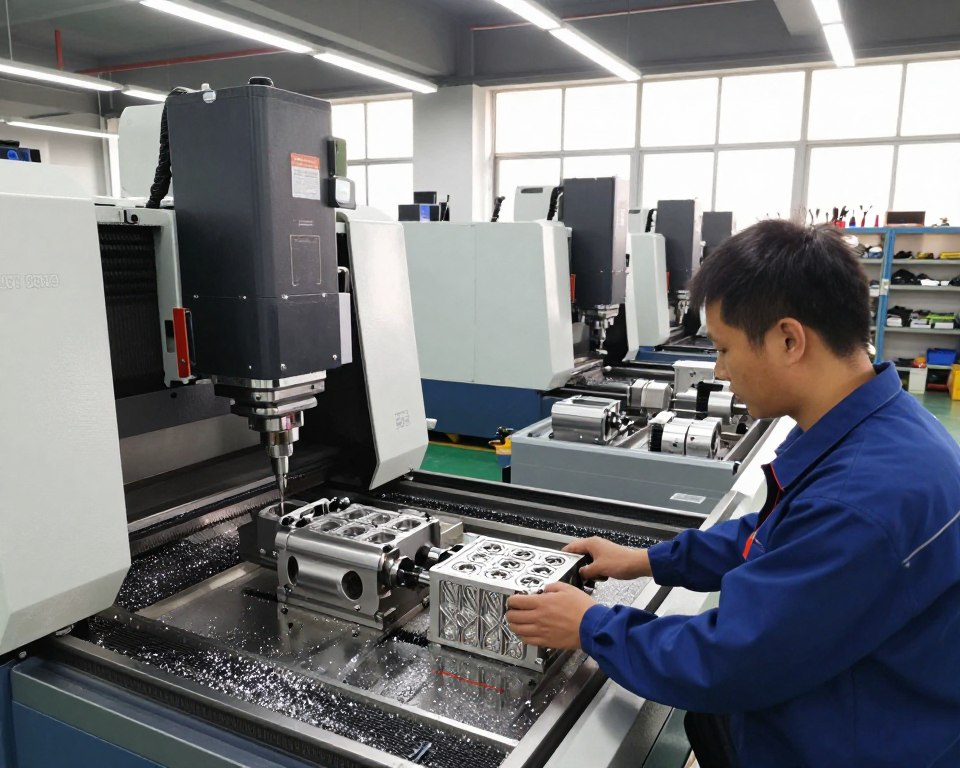
How AMT Leads the Industry in High Precision Plastic Injection Molding

Accurate Plastic Injection Molding — AMT in Singapore.

It’s possible for miniature medical parts to require ultra-high accuracy and still be mass-produced. This high level of detail is crucial for industries like medical, car, and electronics. They look for dependable partners in Singapore.

With roots in 1990, AMT brings over three decades of partnership to manufacturers. Their capabilities span precision tooling, plastic molding, micro molding, and CNC machining. This helps lower the number of suppliers needed and get products out faster.

Operating across 30 countries, AMT runs top-tier high precision plastic injection molding – AMT facilities. They manufacture safely and reliably—especially for medical device producers. Their focus on detailed plastic parts and high precision plastic injection molding makes them a go-to in Singapore for quality and consistency.

Understanding Precision Plastic Injection Molding in Singapore

Precision injection molding delivers fast production with consistent quality. Pellets are melted and injected into a mold under high pressure. This method allows for complex shapes and fine details that other processes can’t achieve.

Core Concepts of Injection Molding

This process combines material choice, mold design, and machine settings. Resin choice affects part strength and melt flow behavior. Accurate parts rely on tooling with proper venting and efficient cooling. Finally, tight process control keeps output consistent.

AMT - high precision plastic injection molding

Why It Matters to Singapore Manufacturers & OEMs

Singapore’s medical, electronics, and automotive sectors require highly reliable components. By combining tooling with molding, AMT streamlines builds. This benefits Singapore companies by ensuring regulatory compliance and protecting intellectual property.

Key Metrics: Tolerance, Cycle Time, Yield

Careful process and tooling enable tolerances as tight as ±10 µm. Advanced cooling shortens cycles and cuts cost while maintaining quality. Improved yields result from automation and early defect detection, minimizing the need for rework.

Performance Metric Common Target Manufacturing Impact
Tolerance ±10–100 µm Controls fit/function and assembly consistency in precision parts
Cycle Time ~2 to 60 s/shot Affects throughput, lead time, and unit cost for large runs
Yield ~95–99.9% Drives scrap reduction, warranty exposure, and production efficiency
Traceability Batch→Serial Enables audits and warranty handling for regulated parts
Customization Low–high volume capable Supports tailored solutions via DFM and custom manufacturing

Precision plastic injection molding signals high-quality and integrated production. For Singaporean companies, this means cost savings, fewer vendors, and quicker market entry. A practical path to remain competitive.

AMT — precision plastic injection molding

AMT serves as a key partner for managing complex supply chains. It combines tooling, molding, and assembly to shorten lead times. Clients get less waiting, more doing, and a single point of contact.

Strategic Contract Manufacturing with AMT

AMT delivers integrated solutions in the medical, automotive, and electronics sectors. OEMs and contract manufacturers rely on AMT to realize designs. Teams trust AMT for reliable support from start to finish.

Overview of AMT’s 30+ years of experience and global reach

AMT has grown and innovated for more than three decades. Their customer base spans over 30 countries. Roughly 350 employees power product development, precision molding, and complex assemblies.

With 29 patents and 15 inventions, AMT demonstrates innovation in areas like microfluidics and automotive.

Precision-Enabling Certifications: ISO 9001, ISO 13485, IATF 16949

Robust quality/regulatory credentials help AMT meet high customer standards. ISO 9001 affirms mature quality management. ISO 13485 validates medical device production rigor. IATF 16949 aligns AMT to automotive traceability and prevention standards.

Together, these certifications position AMT as a leader in precision molding. For high-precision molding or custom plastic manufacturing, AMT is a go-to partner. It offers the capabilities to scale and ensure compliance through every step of the product lifecycle.

Specialized Molding Capabilities & Technologies at AMT

High-precision tooling and molding for medical/auto/electronics define AMT Singapore. Class 10k and 100k cleanrooms support production. The setup minimizes contamination and supports micro-scale work.

Micro molding is perfect for creating very small parts needed in diagnostics and wearable technology. AMT runs advanced micro-molding injection presses. These machines produce highly accurate parts with consistent quality, even in complex shapes.

For high-volume production, AMT’s high cavitation precision molding is key. Careful tooling manages uniform thermal control and precise gating. This guarantees a consistent surface finish and uniform dimensions throughout large batches.

Design flexibility increases via AMT’s multi-shot molding. Overmolding/2K supports seals, color accents, and integrated hinges. Additionally, auto insert molding incorporates metal or ceramic inserts in one go, ensuring robust connections.

Using rapid heat/cool tooling reduces cycles and enhances surface aesthetics. Overmolding adds soft elastomers to rigid substrates. Each method demonstrates AMT’s commitment to high-precision plastic injection molding for industries with strict regulations.

Process control and in-house CNC machining uphold exacting standards. That enables fast tooling adjustments. Integration of micro, high-cavitation, and multi-shot helps teams move prototypes to production efficiently and cost-effectively.

Materials & Sustainability Options at AMT

AMT looks at both performance and eco-friendliness in choosing materials for injection molding. Material selection starts early, tuned to medical, automotive, and electronics needs.

Common thermoplastics and specialty polymers

ABS, PC, and nylon suit durable parts. For heat/shape stability, PEEK and Ultem excel. For unique needs, specialty polymers are selected for their mechanical, chemical, and electrical properties.

Sustainable Material Options

Where feasible, AMT uses recycled plastics. Using reclaimed resins helps reduce the carbon footprint but still keeps parts performing well in many uses. They also consider biodegradable materials like PLA and PHA for jobs where they fit the rules and needs.

Sector-Specific Material Considerations

Medical applications need biocompatible, sterilizable, fully traceable materials. Cleanroom protocols ensure compliance and patient safety.

Auto-sector materials endure heat, chemicals, and vibration. AMT looks at how long materials last and how they react to temperature changes.

Electronics require low outgassing, flame resistance, and dimensional stability. Material choice impacts performance, assembly yield, and aesthetics.

When sustainability is a goal, AMT considers lifecycle and recyclability. With the right tooling/material know-how, recycled/biodegradable options maintain quality.

From design to delivery: AMT’s end-to-end production workflow

AMT takes your idea from a CAD drawing to a finished part, focusing on precision every step of the way. They begin by reviewing designs and checking if they can be made reliably. Engineers refine wall thickness, ribs, and features for speed and robust function.

Design & DFM

Simulation predicts behavior before cutting tools. This early testing helps avoid extra changes and keeps costs down. Goal: ensure molded parts match the initial design closely.

Moldmaking & Tooling

Precision molds are cut using 5-axis CNC and advanced tooling. They make sure molds are perfect for long-term use by following strict steps and using durable steel.

Cleanroom Assembly & Handling

Parts undergo assembly, welding, and rigorous inspection after molding. They have special clean rooms for assembling parts that must be kept free from contaminants.

Production Stage Key activities Benefits
CAD & DFM Simulation, wall thickness optimization, tolerance planning Fewer revisions, predictable molding performance
Tool making 5-axis CNC, EDM/wire-cut, precision grinding High-precision molds, long life, consistent cavities
Injection molding Micro and standard presses, process validation Repeatability, low scrap, controlled cycles
Assembly/Inspection Robotics, cleanroom handling, traceable inspection Regulatory readiness, sterility control, full traceability

By doing everything from tooling to molding in one place, AMT cuts down on waiting times and simplifies the process. One owner across stages boosts reliability and lowers cost from design to production.

Using sophisticated injection molding, they create parts that exactly meet your needs. These parts are used in important industries like healthcare, automotive, and electronics not just in Singapore, but across the region.

Quality assurance and testing that ensure high-precision outcomes

AMT Singapore integrates tooling, molding, assembly, and inspection. This enables end-to-end traceability and meets stringent medical/automotive demands. Teams use special methods that meet ISO 13485 and IATF 16949 standards, making every step clear and repeatable.

Production data is gathered in real time. Sensors on machines and molds send information to control systems, helping prevent errors quickly and improving efficiency.

Robot inspections check many parts fast and accurately using steady force and controlled lighting. Inspection data maps to genealogy for faster issue resolution.

Dimensional checks are key; metrology confirms tiny features accurately. The results help trace each batch and understand part performance better.

Tracking goes right back to materials used, with AMT recording everything. That level of detail supports FDA/EU regulatory compliance.

The quality system matches ISO 13485 and IATF 16949 standards, covering design, risks, and supplier oversight. Regular audits and strict procedures keep quality high.

Industry Applications AMT Supports in Singapore

AMT provides specialized manufacturing solutions for various industries in Singapore, helping projects move from prototype to mass production effectively. This is due to their vertical integration and cleanroom production, making them a top choice for medical device manufacturing in Singapore and quality plastic products.

Medical groups work with AMT on microfluidic chips and single-cell cartridges. Cleanroom, ISO 13485-aligned processes reduce contamination for precise optical parts.

Automotive firms rely on AMT for critical parts like connectors that need to meet IATF 16949 standards. These parts are crucial for fuel systems, safety housings, and connectors—designed for durability and traceability.

Electronics firms receive micro housings, precision connectors, and components for consumer/industrial. Advanced molding keeps quality consistent to electrical/mechanical specs.

A quick view of applications, requirements, and strengths by industry is below.

Sector Typical Applications Requirements AMT Strengths
Medical Microfluidics, single-cell cartridges, lens-care components Biocompatibility, low particulate, optical clarity, regulatory traceability ISO 13485, cleanrooms, precision tooling
Automotive Connectors, fuel fittings, safety housings Durability, vibration resistance, dimensional stability IATF-compliant workflows, robust material selection, traceable production
Electrical/Electronics Micro housings, precision connectors, EMI shields Tight tolerances, surface finish, repeatable cycle-to-cycle accuracy High-cavitation molding, multi-shot capability, in-line inspection

Manufacturers in Singapore favor AMT for high-precision plastic components that can scale. OEMs find AMT’s comprehensive services cut time-to-market and protect design integrity.

Industry 4.0 and Advanced Manufacturing at AMT

Singapore manufacturers are moving to interconnected cells, leveraging 3D metal printing and precision toolsets with digital workflows. That enables new methods to scale from small to large production.

Sensorized molds stream temperature/pressure in real time and adjust on-the-fly to issues. This quick fix reduces stoppages and enhances surface looks.

Robots standardize handling/QC, ensuring early good parts and reducing manual intervention.

Analytics reveals small drifts early; adjustments using historical and live data maintain consistency.

Sensor-driven molding innovations accelerate output at consistent quality. Dashboards surface KPIs for quick informed decisions on the floor.

These methods are backed by research and strong IP protection. With patents in metal powders and tools, there’s a deep commitment to new methods, driving better results from advanced manufacturing and Industry 4.0.

Choosing AMT for custom plastic manufacturing services in Singapore

Tooling→molding→shipping under AMT reduces waits and simplifies vendor supervision. It’s perfect for manufacturers and OEMs in Singapore who want trustworthy custom plastic production.

Single-source contract manufacturer

One partner means fewer handoffs and steadier quality. AMT has its own toolrooms and presses, ideal for clients in the medical, automotive, and electronics sectors.

Protecting IP with Regulatory Know-How

Strong IP custody and clear compliance are vital in regulated spaces. Strict protocols govern design/mold custody; US FDA/EMA experience supports confident launches.

Evidence of capability

AMT has earned respect through various certifications like ISO 9001 and ISO 13485, plus patents and awards for engineering and manufacturing.

Capability What it delivers Why it matters
Integrated tooling and molding Faster validation cycles and fewer quality gaps Reduces time-to-market for precision parts
Assembly and supply-chain integration End-to-end logistics and vendor coordination Streamlines production and lowers inventory risk
IP Protection Protocols Secure design custody and limited access controls Preserves competitive advantage for customers
Regulatory Compliance FDA/EMA-aligned processes with industry norms Enables smooth approval for medical and automotive parts
Technical credentials Certs, patents, documented inventions Shows reproducible production excellence

Teams gain effective strategies and deep process know-how with AMT. Regional networks in Asia support growth and resilient supply.

When looking into custom plastic manufacturing services, choosing a partner like AMT is smart. They protect IP and bring the right credentials.

In Summary

For Singapore manufacturers, AMT’s integrated model and multi-disciplinary approach provide a strong foundation. Since 1990, integrated tooling/molding/assembly/supply have reduced waits and simplified complex chains. That one-stop model makes AMT a top OEM choice for complex components.

AMT’s expertise stands out in high-precision injection molding. Advanced methods—micro molding, multi-shot—ensure reliable parts for medical/auto/electronics. Industry 4.0 tech helps minimize waste and achieve tighter precision.

ISO 9001/13485, IATF 16949, cleanrooms, and a rising patent count prove AMT’s quality commitment. This combination of technical skill and supply chain efficiency makes AMT a key partner for custom plastic parts in Singapore.

Finding the Perfect Selvadge Raw Denim Fabric Wholesaler

Selvedge Denim Material Explained: Everything You Should Know

One solitary set of antique Levi’s 501s hailing from the 1940s fetched $87,400 at an auction. What made these jeans worth more than a luxury car? It’s all due to their selvedge denim build.

This high-end denim stands for more than simple material. It recalls the era when James Dean donned his 501s in Rebel Without a Cause, and Marlon Brando epitomized cool in The Wild One. Those style icons didn’t merely don jeans. They sported black selvedge denim fabric wholesale made on historic shuttle looms.

Artisanal denim gets its name from the self-finished edges that prevent fraying. The word “selvedge” fuses “self” and “edge” to depict this singular weaving approach. Differing from factory-made denim, each yard of selvedge denim material requires patience and expertise to craft.

The surface narrates a tale via gentle inconsistencies and organic variations. Every pair acquires character as its indigo wears down. This personal evolution makes heritage denim special to collectors and fashion enthusiasts alike.

Many believe premium denim lasts longer than regular jeans. The fact is somewhat more complex. Selvedge construction creates beautiful fabric with clean edges and rich texture. However, sturdiness relies on cotton caliber and heft, not merely on weaving style. What differentiates artisanal denim is its knack for aging with grace and creating singular fading designs in the long run.

Understanding Selvedge Denim Material

Selvedge denim fabric is distinct from regular denim due to its unique construction and finished edges. It draws its name from the “self-edge,” a dense woven strip that stops fraying. This top-tier fabric embodies a commitment to slow fashion and classic artisanry, distinguishing it from factory-produced denim.

black selvedge denim fabric

The Meaning Behind Self-Edge Construction

The word “selvedge” fuses “self” with “edge,” indicating material with a tidy, sealed edge. This narrow selvage runs along both sides, removing the requirement for added finishing. Old-school mills craft it at roughly 30–32 inches wide, unlike contemporary denim’s 60-inch span.

Why Shuttle Looms Yield Distinct Fabric Edges

Shuttle-loomed denim’s essence stems from classic weaving machines operating more slowly. These looms weave a single weft yarn across the warp threads in one motion. This method results in:

  • Organic textural slubs
  • A softer hand-feel than modern denim
  • Securely finished edges that resist fraying
  • Authentic irregularities cherished by denim enthusiasts

Selvedge vs. Standard Denim

Conventional denim is woven on projectile looms sending weft yarns across wider bolts. Such weaving leaves loose edge fibers requiring overlock stitching to stop fraying. Selvedge denim fabric, by contrast, demands more time to make. It offers superior durability and a unique aesthetic, justifying its higher cost.

The Heritage and History of Shuttle-Loomed Denim

The legacy of heritage denim commenced in U.S. textile mills of the 1800s. Shuttle looms were central, weaving material with sealed edges to avoid fraying. That approach yielded indigo-dyed denim slowly and painstakingly, guaranteeing each yard was made with precision. Its slender width evolved into a trademark of artisan denim manufacture.

From 1800s American Mills to Modern Revival

For over a century, American mills relied on shuttle looms. Names such as Cone Mills and White Oak furnished top denim to workwear makers. By the 1970s, quick projectile looms dominated, displacing most shuttle machines. That change stemmed from the push for more affordable, mass-made jeans. Many historic mills closed or modernized, leaving vintage looms to gather dust.

Japanese Renaissance of Selvedge Denim

In the 1980s, Japanese producers brought American shuttle looms back into use. The Osaka Five brands led this revival:

  • Studio D’Artisan
  • Evisu
  • Fullcount
  • Warehouse
  • Denime

They combined American heritage style and Japanese meticulousness. They researched antique Levi’s templates, reproducing classic indigo denim textures. By the year 2000, Japan ruled the world’s artisan denim scene.

The Importance of Traditional Weaving Today

Shuttle looms yield distinct cloth traits that contemporary machines cannot replicate. This slower method fosters subtle irregularities and fuller indigo soak. Premium denim enthusiasts cherish these imperfections as signs of authentic craftsmanship.

Shuttle Loom Features Modern Loom Features
29-31 inch fabric width 60+ inch fabric width
3-4 yards per hour 15-20 yards per hour
Natural irregularities Uniform texture
Self-finished edges Cut edges requiring overlocking

Crafting Premium Denim with Vintage Looms

The creation of premium denim starts with the rhythmic motion of vintage shuttle looms. These machines differ from today’s technology. They pass yarn across the entire width in one thread, sealing edges without extra finishing. This technique assures a crisp, fray-resistant edge on selvedge denim.

Vintage looms weave at a slower pace, producing just 5-6 meters of striped denim fabric daily. This sharply contrasts with current machines that manage 200 meters. Slow operation enhances the yarn by:

  • Lower tension in threads produces a plusher hand
  • Inherent slubs persist, offering a one-of-a-kind texture
  • Uneven surfaces lead to distinctive fading patterns
  • Thin widths (about 29–32 inches) minimize trimming waste

Manning these age-old looms calls for seasoned artisans. Weavers tweak tension, keep rhythm, and handle fixes. Each shuttle loom carries its own character. Several originate from the 1920s and rely on skills handed down over decades. This manual process renders shuttle-loomed denim a genuine craft item.

The slender width of unwashed denim from classic looms provides practical perks. Pant makers utilize the selvedge edge as the outrigger seam, avoiding waste. This highlights the material’s genuine build. Every roll has its own story, with subtle variations that mass production can’t replicate.

Raw Denim vs. Selvedge: Key Distinctions

A lot of denim fans mix up raw denim and selvedge denim. This confusion arises when shopping for premium jeans. The truth is, these terms describe different aspects of denim production. Knowing the difference helps you make better choices and appreciate each type’s uniqueness.

Why Selvedge Doesn’t Always Mean Raw

Selvedge indicates the shuttle-loom weave that forms self-finished borders. Raw denim means unwashed fabric straight from the mill. A selvedge raw denim distributor often carries both rinse and dry options. Labels such as Naked & Famous make selvedge jeans, occasionally pre-rinsed or with elastane.

The weaving style is identical. However, finishing transforms both the cloth’s texture and appearance.

Choosing Between Washed and Unwashed Denim

Every denim piece begins as dry denim before washing. Mills produce both standard and selvedge versions unwashed. The principal distinctions are:

  • Raw denim forms distinct fade lines with wear
  • Washed denim delivers immediate softness and size consistency
  • Sanforized raw shrinks minimally post-first wash
  • Unsanforized denim shrinks notably upon soaking

Clearing Up Denim Myths

Raw denim isn’t exclusively shuttle-loomed. Contemporary projectile looms likewise churn out unwashed textile. The appeal often overlaps because buyers value durability, personalization, and craftsmanship in both selvedge and raw denim. Both types attract denim heads willing to invest time for that perfect custom fade.

Spotting Genuine Selvedge Denim Traits

When hunting for selvadge raw denim fabric wholesaler, identifying authentic selvedge denim is crucial. It sets you apart from ordinary buyers. Real selvedge denim has unique traits that set it apart from regular denim. Understanding these features ensures you’re investing in authentic premium denim.

How to Spot the Selvedge ID

Easiest method to confirm selvedge denim? Inspect the outseam. Cuff your jeans and check the outer-leg seam. Real selvedge denim shows a neat, sealed edge with dyed yarns interwoven. That self-finished border removes the necessity for overlock stitching typical in normal denim.

Rolling your cuffs unveils the selvedge ID, giving your outfit a signature detail. The colored selvedge threads travel the full outseam, producing that hallmark denim appearance devotees cherish. By contrast, non-selvedge jeans sport cut edges bound by serger stitches to stop fraying.

Quality Construction Hallmarks

Quality premium denim is evident through several construction details:

  • Tight, even weaving with no loose threads
  • Clean selvedge edges without additional stitching
  • Uniform edge thread color along the outseam
  • Substantial cloth weight indicative of shuttle-loom output

Rainbow vs Redline Selvedge Distinctions

Rainbow selvedge uses multiple tinted yarns in the ID, crafting a distinct multicolor trim. Redline selvedge, the most famous variety, uses red yarns for the ID and traces back to vintage American mills. These distinctive selvedge variants fetch more owing to their rarity and visual charm. Many labels emphasize these traits in their descriptions, simplifying the hunt for real heritage denim.

Why Craft Denim Costs More

The cost of artisanal denim often shocks newcomers. A pair of selvedge jeans can be three to five times pricier than mass-produced ones.

Comprehending what drives these costs shows the actual value of premium denim.

Shuttle looms weave at a much slower pace than modern machines. Though factory looms crank out fabric fast, old shuttle looms manage only 1–2 meters hourly. That unhurried pace means crafting a bolt of heritage denim spans days, not hours.

The slim selvedge widths increase expenses. As opposed to 60-inch standard denim, shuttle-loom premium denim is merely 28–32 inches across. This narrower width requires more careful cutting and planning to use the fabric efficiently.

Craft denim making happens in small runs. Firms such as Okayama’s White Oak and Kuroki favor excellence over volume. They employ master craftsmen who oversee every step:

  • Hand-checking yarn tension
  • Adjusting loom settings for each fabric type
  • Inspecting every meter for flaws
  • Managing rope-dyeing processes that take weeks

These denim makers view their craft as art. They experiment with unique yarns and perfect indigo-dyeing recipes passed down through generations. Backing heritage denim helps mills safeguard textile legacies and artisans devoted to their work.

Wholesale Choices for Black Selvedge Denim Fabric

Premium denim availability now reaches beyond Japan’s heritage mills. American manufacturers now challenge, supplying multiple black selvedge denim wholesale options. Finding top suppliers means knowing quality indicators and authentic fabric sources.

Finding Quality Suppliers and Manufacturers

Top vendors underscore traditional weaving and genuine devotion to craft. When searching for a selvadge raw denim fabric wholesaler, look for mills that use vintage shuttle looms. They provide comprehensive fabric details: weight, weave style, and dye processes.

Key Gold Selvedge Denim Producers

Gold selvedge mills emphasize luxe-colored edge yarns, enhancing denim prestige. Top factories craft these niche fabrics in small batches, drawing boutique labels. Their gold-edge thread grants a distinctive finish, setting them apart from common fabrics.

How to Procure Nep Denim and Unique Weaves

Special weaves like nep denim warrant direct sourcing links. Nep denim shows deliberate specks for standout aesthetics. Directly working with mills ensures access to these specialized weaves.

Fabric Type Minimum Order Lead Time Price Range per Yard
Black Selvedge 500 yards 6-8 weeks $12-18
Gold ID Selvedge 300 yards 8-10 weeks $15-22
Nep Denim 400 yards 10-12 weeks $14-20

Selvedge Styles and Variants

Selvedge denim’s realm extends past plain indigo. Today, mills create a wide range of textures and patterns. These demonstrate shuttle-loom weaving’s flexibility. Spanning delicate textural shifts to vivid motifs, they present distinct character that matures gracefully with wear.

All About Slub Denim Texture

Slub denim’s trademark rough texture stems from uneven yarns. They include thick and slim sections, producing an inherently varied cloth surface. When shuttle looms weave these yarns, they produce a textured selvedge denim fabric that fades in unpredictable ways.

Each slub denim jean yields its own one-off wear pattern. The raised areas wear differently than the smooth sections, making each pair distinct.

Herringbone Selvedge Traits

Herringbone selvedge cloth sports a zigzag weave reminiscent of fish skeletons. The pattern forms diagonal ribs that reverse direction periodically. This motif boosts aesthetics and reinforces the cloth’s durability.

Popular brands like Iron Heart and The Strike Gold regularly use this weave for their premium collections.

Striped Denim and Other Unique Weaves

Striped denim fabric incorporates contrasting yarns to create vertical or horizontal lines. Factories weave these patterns by switching colored threads as they work. Notable variants include:

  • Hickory stripe with alternating indigo and white
  • Railroad stripe featuring thin pinstripes
  • Wabash stripe with printed dots over stripes
Fabric Type Visual Pattern Fade Characteristics
Slub Denim Bumpy, irregular surface High contrast, uneven fading
Herringbone Zigzag diagonal lines Subtle vertical streaking
Striped Denim Alternating color bands Pattern remains visible after fading

Caring for Your Heritage Denim Investment

Your heritage denim requires special care to develop its unique character. Unlike standard jeans, raw and dry denim morph through use. They craft individual fade narratives reflecting your life.

The initial weeks in craft denim may feel rigid and awkward. This experience is expected. The material requires wear to relax and hug your silhouette. Some denim enthusiasts speed up this process by wearing their jeans in the shower or doing squats while damp. Others choose a slower, natural wear-in routine.

Raw denim shows top fade patterns when you postpone laundering. Skin oils and regular friction form whiskers by the knees and honeycombs at the rear. Many owners go six months before their first wash, while some wait a full year. That patience rewards you with bold, custom fades matching your motion.

When it’s time to wash your dry denim, turn it inside out and use cold water. Forego spin and drip-dry in shade. Others opt for gentle hand-wash in a bathtub using a soft detergent. Steer clear of hot water and tumble drying, which may shrink and dull fades.

Your heritage denim investment grows more valuable with proper care. Each wear adds character, making your jeans truly one-of-a-kind. The rigid start transforms into a comfortable second skin that reflects your lifestyle and movement patterns.

Where to Find Quality Indigo-Dyed Denim

Selvedge denim’s comeback has created fresh opportunities for fans. Big-box retailers stock indigo-denim next to boutiques specializing in premium and slow fashion. This means shoppers can secure genuine selvedge at multiple price tiers to suit any budget or preference.

Levi’s offers their 501 Original Fit Selvedge Jeans for $148, making heritage craftsmanship accessible to a wider audience. Uniqlo provides Selvedge Straight Jeans at just $50, appealing to those who value style and affordability. For upscale choices, Buck Mason presents Japanese Loom State Selvedge Full-Saddle Jeans at $248. Iron Heart elevates artisan denim with its 634s-18 Vintage Denim for $385, sold at Self Edge.

American brands like Todd Snyder and Buck Mason now compete with Japanese specialists in the selvedge denim market. These brands recognize the importance of heritage weaving techniques and quality in slow fashion. Online or offline, good indigo-dyed denim is easier than ever for American shoppers devoted to genuine craft.

Precious Metals Recycling Companies That Offer Pick-Up Services

Precious Metal Recovery: A Green Guide

Did you know that more than $60 billion worth of precious metals are discarded each year in electronic waste alone? Such a massive amount highlights why precious metal recycling is so vital. Recycling these metals benefits both the economy and the planet. When we recover gold, silver, platinum, and palladium, we reduce pollution and conserve resources.

Companies like Dongsheng Metal Trading are leading the charge towards sustainability. They guarantee that valuable metals return to use instead of filling dumps. That precious metal recycling strategy underpins green recycling and long-term sustainability.

Notable Observations

  • Over $60 billion in precious metals is disposed of in electronic waste annually.
  • Recovering these metals cuts eco-impact and preserves resources.
  • Gold, silver, platinum, and palladium top the list of valuable metals.
  • Green recycling methods are essential for a sustainable future.
  • Recycling experts like Dongsheng Metal Trading lead the industry.

Exploring Precious Metals and Their Worth

Precious metals are rare, naturally occurring metallic elements that have captured the interest of investors and industries alike. Examples include gold, silver, platinum, and palladium, each prized for special traits. Notable traits are excellent conductivity, corrosion resistance, and rarity. Given the resource-intensive mining and processing, recycling precious metals is essential.

precious metal recycling

The value of precious metals is influenced by market demand and the inherent qualities of each metal. Metal recycling ensures the supply chain remains robust. It lowers the ecological damage from mining. By thorough recycling, these metals return to their pure form. This preserves finite resources while yielding economic benefits.

Precious Metals Explained

Precious metals possess unique characteristics that make them desirable for a variety of applications. Their rarity and intrinsic properties are foundational to their economic significance. Notable examples are:

  • Au: Prized for its shine and tarnish-proof nature.
  • Ag: Recognized for its versatility and high conductivity.
  • Platinum: Celebrated for its durability and catalytic properties.
  • Palladium: On the rise in automotive and tech industries.

Reasons to Recycle Precious Metals

Recycling these metals is now key to sustainable practices. It saves scarce materials and sharply cuts mining’s eco-footprint. Key benefits include:

  • Cutting down mining-related environmental harm.
  • Using far less energy than fresh extraction.
  • Feeding materials back into the production loop.
  • Potential for financial gains through the reclaiming of high-value materials.

The Importance of Precious Metal Recycling

Metal recycling brings both green and economic gains. Emphasizing benefits helps cut environmental harm. It also drives economic growth and stability.

Green Benefits

The environmental benefits of recycling precious metals are significant. When we recover metals from e-waste and scrap, landfill volume drops. This reduces the need for new mining, conserving natural resources.

It lessens mining impacts, including ecosystem harm and contaminants. Focusing on recycling precious metals helps us strive for a more sustainable future.

Financial Gains

Financial perks of recycling are just as strong. Using reclaimed metals trims manufacturing budgets. That shift enables firms to opt for recycled rather than virgin metals.

This shift creates jobs in recycling facilities and boosts market stability as demand for recycled metals grows. Harnessing these gains helps firms improve their bottom line. They further support a cleaner economy.

How Precious Metals are Recycled

Metal recycling demands a multi-stage process to optimize recovery. First, scrap electronics, jewelry, and industrial waste are gathered. Next comes sorting, cleaning, and testing to assess metal content and worth.

Recovery Steps

Such a methodical process ensures efficient recovery. All stages focus on boosting metal yield. Sorting divides metals by kind and grade. Decontamination eliminates residues that block recovery. Chemical analysis pinpoints metal levels to drive technique decisions.

Recovery Methods

Cutting-edge processes boost precious-metal recovery. Thermal reduction applies intense heat to isolate metals. Molten refining and wet-chemistry steps handle finer separations. Companies like Dongsheng Metal Trading use these methods to boost efficiency and maximize returns in the precious metal recycling process.

Types of Precious Metals that can be Recycled

Scrap recovery benefits both Earth and economy. A host of precious metals are recyclable, aiding markets and ecosystems. It’s important for people and businesses to know which metals can be recycled.

Recycling Gold, Silver & Platinum

Familiar precious metals include gold, silver, and platinum. You’ll see them in rings, currency, and industrial parts. Gold recovery is widespread because of its worth and need. Silver recovery matters too, thanks to its role in imaging, tech, and solar.

Platinum, though less common, is valuable, mainly in catalytic converters.

E-Waste Metals

Electronic precious metals offer unique recycling chances. Gadgets—from phones to laptops—house palladium, indium, and more. These metals are a treasure trove for recycling, reducing e-waste and providing essential materials.

Recycling these electronics metals is imperative. Sectors strive to cut waste and boost recycling efficiency.

Who Gains from Metal Recycling?

Metal recovery underpins major sectors by supplying reclaimed resources sustainably. Electronics, which embeds metals in gadgets, gains the most. Aerospace and healthcare rely on them for vital parts. Looking at their recycling practices shows green and financial gains.

Tech Electronics

Electronics spearheads recovery, given the metal content in phones and PCs. Quick device turnover spawns more electronic scrap. Thus, recycling gold, silver, and palladium efficiently becomes vital. It not only conserves natural resources but also reduces mining-related carbon emissions.

Businesses enhance recovery to align with green and zero-waste aims. That change bolsters resource saving and ecosafety.

Aerospace and Medical Equipment

Aerospace metal recycling is vital for the aerospace and medical industries, which rely on precious metals for critical components. High-performance alloys are essential for manufacturing flight parts and medical devices due to their durability and resistance to corrosion. Recovering them cuts costs and meets green regulations.

They recognize that recycling offsets material scarcity. Plus, it boosts efficiency, cementing recycling as a sustainability strategy.

Selecting Recycling Partners

Locating reliable recycling partners ensures great results. It’s wise to ask important questions to understand their operations. Knowing their pricing and processing methods can greatly affect your experience. Reviewing offerings lets you select wisely.

What to Ask a Recycler

  • Can you share your precious-metal recovery accreditations?
  • Can you explain your processing methods for different metals?
  • What are your recovery rates for various precious metals?
  • What is your pricing structure and are there extra charges?
  • Can you provide references or testimonials from previous clients?

Evaluating Offers

Comparing recyclers’ offerings is crucial when choosing one. Use a table to line up these factors:

Company Name Recovery Rate (%) Processing Fee ($) Turnaround Time (Days)
Recycling Co. A 95 50 7
Recycling Co. B 90 45 5
Recycling Co. C 92 55 10

Side-by-side comparisons help pinpoint the ideal recycler. That way, you maximize returns and maintain quality.

Your Metal Recycling Handbook

Grasping recycler workflows is essential for metal recovery. They handle all stages, from gathering to final refining. That approach drives top efficiency and returns.

How Recyclers Operate

Advanced workflows—assay, separation, smelting—unlock metal value. First, they gather scrap from multiple origins. Then, they use sophisticated techniques to separate different metals. Next, they refine these metals to extract precious elements like gold, silver, and platinum.

This process not only maximizes resource recovery but also supports eco-friendly practices. It’s essential for long-term sustainability.

Selecting Your Ideal Recycler

You’ll want to weigh several factors in your choice. Start with their sustainability track record. In today’s market, a commitment to sustainability is essential. Next, review their service range—from pickup to refining.

Cost is equally important. Request estimates from multiple firms. Experts like Dongsheng Metal Trading provide industry-specific offerings. They remain a trusted partner for targeted recovery.

Pick the Right Facility

Metal recycling is a critical sector for sustainable practices and waste management. It encompasses various recycling centers, each tailored to specific metal recovery needs. Awareness of facility types guides you to proper recyclers. That supports firms and ecosystems alike.

Types of Facilities Available

There’s a broad spectrum of recycling operations. Some yards recover gold and silver; others accept all metal waste. Common examples include:

  • Scrap yards process a broad mix of metal types.
  • Precious Metal Recovery Companies: With a focus on high-value materials such as gold, silver, and platinum, these companies offer refined processing techniques.
  • E-Waste Recycling Centers: Specialize in recovering metals from discarded electronics, capitalizing on the valuable components often found in these devices.

Facility Access Factors

Accessibility to recyclers is key for efficient metal recovery. Companies should evaluate haulage considerations. Key access factors include:

Factor Description
Proximity Facilities located nearer to businesses minimize transportation costs and time.
Partnerships Connections with nearby facilities speed up recycling.
Service Range Awareness of service menus aids in picking the right center.

In sum, selecting the right type of recycling center and ensuring convenient access can significantly enhance the efficiency of metal recycling operations.

Recovering Metals from E-Waste

Electronic waste is a pressing issue in today’s world, causing environmental harm. Old gadgets hide valuable metals ripe for recovery. This highlights the importance of seeing e-waste as a valuable resource.

Electronic Precious Metals

Devices often contain bits of gold, silver, and palladium. These metals are found in various parts:

  • Circuit boards
  • Connectors and ports
  • Capacitors and resistors
  • Battery terminals

Common electronics conceal recoverable metals. With recycling, we can efficiently recover and reuse them.

E-Waste Recovery Benefits

Recycling electronics protects nature and recovers resources. It reduces landfill waste and saves natural resources. The benefits of recycling e-waste metals are clear:

  • It minimizes environmental risks from improper disposal
  • It reduces CO₂ output via green recycling methods
  • It fuels a circular economy by feeding materials back into manufacturing

Promoting e-waste recovery advances resource stewardship. It’s essential for the well-being of future generations.

What’s Next in Metal Recycling?

Recycling is changing fast thanks to new tech and eco-driven demand. Facing resource limits, recyclers embrace new methods. By integrating novel processes, they pave the way forward.

Green Recycling Trends

Current trends in sustainable recycling focus on reducing waste and minimizing environmental impact. Companies are shifting towards eco-friendly practices, like using biodegradable packaging and energy-efficient processes. Such moves match worldwide green goals and nudge industries to be more eco-responsible.

New Metal Recovery Tech

Breakthroughs in recovery boost metal recycling yields. New technologies, such as automated sorting and hydrometallurgical extraction, enhance recovery rates. They ramp up yields and shrink eco-footprints, advancing metal recycling.

How to Start Your Own Precious Metal Recycling Business

Starting a precious metal recycling business demands meticulous planning and a deep grasp of operational and market dynamics. Founders need a roadmap, regulatory know-how, and solid groundwork. Key tasks include market studies and pinpointing customer segments. Also, obtaining necessary permits and understanding legal aspects is vital for sustained success.

Launching Steps

To launch your recycling venture, follow these steps:

  1. Research the market to grasp demand and competition.
  2. Develop a detailed business plan outlining goals and strategies.
  3. Invest in equipment tailored to your process needs.
  4. Raise startup funds through financing or investors.
  5. Obtain vital permits and licenses for legal operation.
  6. Deploy promotional plans to gain customers.

Compliance and Certifications

Understanding legal aspects when starting a precious metal recycling business is critical. Adherence to environmental regulations ensures your operation is safe and sustainable. Key considerations include:

  • Securing business certification from relevant authorities.
  • Ensuring full compliance with disposal and recycling laws.
  • Training staff in safety protocols and best practices.

The Bottom Line

Recovering precious metals conserves resources and protects our planet. It empowers all of us to reduce environmental harm from waste. That reclaimed metal cuts mining demand and spawns recycling jobs.

Beyond green gains, recycling yields financial perks. Teaming with Dongsheng Metal Trading secures sustainable methods. Such alliances reinforce the circular economy for all stakeholders.

The journey to a sustainable future depends on collective action in recycling precious metals. Increased awareness builds a culture of green consumption and care. Embracing these steps helps today and protects tomorrow’s world.

EV Charging Cables Understanding Amperage Ratings

Top EV Charging Cable Manufacturers in China

As the electric-vehicle revolution accelerates worldwide, ever asked which companies are powering EV charging innovation? Here we reveal China’s premier EV charging cable manufacturers. China’s status as an EV powerhouse underscores the need for dependable charging infrastructure. We delve into the players defining EV charging’s next phase, focusing on their inventive EV Charger Manufacturers roles.

China’s Electric-Vehicle Charging Landscape

China’s electric-vehicle charging industry underpins the global EV market. It shows China’s drive toward green energy. Being a top EV manufacturer, China has developed extensive charging networks. Numerous charger producers in the region supply technology for efficient charging systems.

Growing EV use drives demand for next-generation charging solutions. It bolsters the EV ecosystem and cuts reliance on fossil fuels. A diverse field of cable makers underpins dependable EV charging. They furnish robust cables suited to every charging environment.

Political backing, technological progress, and market forces shape China’s EV charging industry. Chinese manufacturers adapt swiftly to these dynamics. They focus on inventive, eco-friendly solutions for tomorrow’s EV market. Read on to discover the trends and top firms advancing EV charging in China.

EV Charger Manufacturers

Why EV Charging Cables Matter

Cables connect EVs to chargers, influencing performance and reliability. As EV technology evolves, so too do cable designs. Firms work to engineer cables that deliver consistent, reliable power.

Various cable types exist, each tailored to specific EV models and charging levels. Leading companies ensure their products comply with international certifications. As more drivers go electric, dependable cables underpin the charging network.

Trends point to cables that enhance ease-of-use and connectivity. Optimal cable design boosts power transfer and mitigates hazards. Users want plug-and-play experiences with minimal fuss.

Survey of Charging-Cable Producers

The Chinese cable sector is dynamic and expansive. Local firms offer wall-mounted units, portable chargers, and DC fast-charge cables. Customers benefit from tailored cable and charger offerings.

These companies invest heavily in R&D to improve product performance. Continuous development maintains certification and safety. Advances in connectors and insulation drive performance.

Prominent features are IoT compatibility and renewable-power syncing. Several firms integrate load-balancing and green-power support. Their varied offerings address the full spectrum of EV-charging demands.

Growing EV adoption raises customer expectations for cable performance. Manufacturers must commit to excellence to remain competitive.

Leading EV Charging Cable Manufacturers

The EV charging cable market is dominated by standout innovators. Here we profile China’s premier EV cable suppliers. They’ve set high standards in reliability and cutting-edge design.

Several brands repeatedly emerge as top electric-vehicle charger cable manufacturers. Each Portable EV Charger Manufacturer enriches the EV ecosystem with green manufacturing.

Manufacturer Key Products Market Presence Strategic Partnerships
Aichie Tech Electronics Ultra Fast Chargers, Wall Boxes Worldwide Collaborations with automakers
Siemens Alternating & Direct-Current Units International Alliances with utilities
ABB Rapid Chargers, Flexible Cables Global Partnerships with carmakers
Legrand Smart Charging Stations Local & Global Collaborations with IT companies

It showcases product lines, market reach, and strategic ties. Industry rivalries fuel rapid advancements in charging tech.

How Electrly Leads

Electrly stands out as a premier EV charging cable supplier. They offer everything from home chargers to high-speed DC setups. Every unit is certified to global quality benchmarks.

They tailor solutions for corporate, municipal, and private clients. Outstanding after-sales support cements their reputation. They’ve secured a top spot in the cable-supply arena.

They pioneer new pathways in charging-network development. Ongoing innovation meets escalating electric-mobility demands. Their customizable approach supports ambitious infrastructure plans.

How Aichie Tech Leads

Aichie Tech Electronics, founded by engineers from Germany and China, leads the smart charging equipment revolution.

They focus on smart-grid integration and advanced charging, ranking them among top producers. Their product suite spans complete chargers to subsystem components.

Forward-looking design and efficient assembly define their edge. Connected features improve usability and system efficiency. Fast-track manufacturing supports large-scale rollouts.

They champion eco-friendly charging through renewable integration. By embedding solar and wind compatibility, they align with global green trends. It positions them as a beacon of sustainable charging innovation.

Feature Details
Smart Technology Integration Boosts usability and maximizes power delivery
Rapid Assembly Fast-track production for swift installations
Sustainability Focus Incorporating renewable energy solutions
Diverse Applications Suitable for commercial and residential sectors

In summary, Aichie Tech Electronics embodies the fusion of technology and sustainability in the EV Charging Cables equipment sector. Their combination of innovation and excellence positions them among the world’s top EV charging suppliers.

How StarCharge Excels

StarCharge emerges as a leader in EV charging technology. Their portfolio spans personal chargers to networked public docks.

Their systems adjust power delivery based on live usage data. This approach reduces energy waste and cuts operating costs.

Their product range meets the charging standards of all major EV brands. As a top EV charging cable manufacturer, StarCharge blends advanced engineering with the latest tech.

Their expansion highlights customer trust in quality charging gear.

Sinexcel’s Green Charging

Sinexcel leads in embedding renewable energy into EV charging products. Their modular cable systems adapt to different EV models and power setups. As a top EV charging cable producer, Sinexcel champions sustainability and clean energy.

EV Charging Cable Manufacturers: Quality and Reliability

High-quality cables underpin dependable charging experiences. Robust connectors and shielding protect against environmental stress. Leading Chinese manufacturers implement strict testing and certification protocols.

Cable design must support optimal power flow without hazards. Comprehensive support programs reflect manufacturer commitment. Excellence in product and support cements brand reputation.

The Final Word

The EV market’s rapid growth underscores the need for high-quality charging solutions. Manufacturers highlighted here lead with innovation and eco-focus. Their advances serve drivers and the environment, driving global green efforts.

Continuing investment in R&D and quality by these companies will shape the future of transportation.

Through superior products, they enable seamless charging and aid decarbonization.

FAQ

What are the main types of EV charging cables available?

EV charging cables come in three main types: Level 1, Level 2, and DC fast charging. Level 2 and DC fast chargers far outpace Level 1, suiting various charging scenarios.

What makes a charging cable high-quality?

Cable quality determines charging speed, safety, and longevity. Quality materials prevent heat buildup and electrical issues.

Which companies top China’s EV charger market?

Top Chinese makers include Electrly, Aichie Tech Electronics, StarCharge, and Sinexcel. They’re renowned for cutting-edge tech and robust, reliable products.

How is universal EV compatibility achieved?

Standardized connectors and protocols guarantee fit across models. They test across vehicle makes and station types to verify seamless operation.

How do cables support green energy?

Sustainability hinges on cables that integrate with green power. By supporting renewables, cables help decarbonize transportation.

Are portable EV chargers reliable for everyday use?

Portable units from reputable brands pass rigorous testing.

What should I look for when choosing an EV charging cable?

Consider material quality, durability, and vehicle compatibility. Look at amperage rating and after-sales service.

How do EV chargers contribute to reducing carbon emissions?

As electricity grids green, EVs charged from them drive down emissions. Linking chargers to solar/wind maximizes carbon reductions.

Sheathing Line Cross-Sectional Profile Inspection with Machine Vision

Looking Forward: Fiber Optic Data Transfer Technology

Were you aware that one hair-thin fiber can transmit more than 100 Tbps of information each second? That capacity could handle streaming 12 million HD films at once—quite a jump compared to the 1950s, when researchers began using light for rudimentary signaling.

  • Data transmission rates 100x faster than old copper lines
  • No disruption from electrical or radio noise
  • Capacity to support 5G networks and 8K streaming
Characteristic Copper Cables Fiber Optic Cables
Data Rate Up to 10 Gbps 100+ Tbps
Range 100 meters Over 70 km
Security Easily tapped Highly resistant to eavesdropping

Light pulses bounce through glass cores using total internal reflection, like a laser ricocheting through a mirrored tunnel. This optical principle avoids data loss across vast spans. As video calls and smart devices multiply, these cables keep networks from collapsing under data weight – Fiber cable sheathing line.

The Development Path of Fiber Optic Communications

Years of research turned the concept of optical data transmission into a working technology. Researchers in the 1950s discovered that glass strands could guide light—a concept that reshaped modern connectivity.

Df783Ebe D752 488F 81Fa 568A036C2114

Pioneers and Initial Trials

Narinder Singh Kapany made history in 1952 by proving light could travel through bent glass. He named the field “fiber optics,” establishing the basis for modern fiber networks. Together with Harold Hopkins, he created pliable imaging bundles, which became prototypes for data-carrying fibers.

By the 1960s, laboratory trials showed these fibers had real-world applications. Early systems faced challenges like signal loss, but persistent testing refined their design. Engineers realized purified glass cores could carry light pulses farther without distortion.

Milestones in Fiber Development

The 1970s marked a turning point with the first commercial installations. Telephone companies adopted cables that replaced copper lines, boosting call clarity and capacity. Corning Glass Works achieved a critical breakthrough in 1970—low-loss optical fiber that could transmit signals over 65 kilometers.

Date Achievement Impact
1977 Initial live telephone transmissions Validated practical dependability
1988 Launch of TAT-8 transatlantic link Linked Europe and North America
1990s Introduction of erbium-doped fiber amplifiers Allowed extensive long-haul connections

Today’s innovations prioritize higher throughput and expandability. DWDM technology multiplexes many channels on one fiber concurrently. These leaps bridge lab experiments to the backbone of global communication systems.

Fundamentals of Fiber Optic Communication Technology

Given light’s unmatched speed, it’s a perfect medium for data transmission. This straightforward concept underpins contemporary networks. Rather than electrons in metal cables, photons traverse geographic barriers. Here’s how it works.

Photons vs. Electrons: Why Light Wins

Light pulses carry information more efficiently than electricity. Light particles:

  • Move at 186,000 miles per second (99.7% light speed)
  • Generate no heat or EMI
  • Support simultaneous multi-wavelength channels
Criterion Electrons (Copper) Photon Signaling (Fiber)
Speed Max ~10 Gbps Over 100 Tbps
Interference Affected by power lines Immune
Power Consumption Greater energy demand Lower energy requirement

The Mirror Effect Inside Glass Strands

Light stays trapped in the core—the central glass strand—thanks to total internal reflection. The core has a higher refractive index than the surrounding cladding. When light hits the boundary at a steep angle, it bounces back like a mirror, staying on course for miles.

Such a design minimizes attenuation. Over extensive spans, nearly 95% of photons arrive intact. Combined with laser precision, it ensures your video calls stay crisp and your downloads finish fast.

Various Fiber Cable Categories

Fibers come in diverse designs. Choosing depends on required reach and bandwidth demands. Let’s break down the two main categories and their specialized designs.

Attribute SMF MMF
Core Diameter 9 µm ~50–62.5 microns
Throughput 100+ GHz ~35–500 MHz
Maximum Span 120 miles 1,600 feet
Common Uses Telecom networks Data centers

Hospitals use single-mode for MRI image transfers between buildings. Educational institutions choose multi-mode for intra-campus video streaming on a budget. Each cable category maintains connectivity, tailored to specific needs.

Fiber Optic Cable Construction and Key Components

Curious how connectivity persists despite storms? The answer lies in the smart design of modern cables. Multilayer structures shield information as it moves at near-light velocity.

Core, Cladding, and Coating Layers

At the heart of every cable sits the glass core—thinner than a human hair. This pure glass guides photons via total internal reflection. The cladding layer, with a lower refractive index, reflects stray light back into the core.

An acrylate polymer coating encases the cladding and core. This 250-micron shield prevents scratches and moisture damage. Collectively, these layers create the optical conduit for data.

Strengthening Fibers and Protective Jackets

Real-world durability comes from Kevlar® strands around the coated core. These aramid fibers absorb tension during installation, preventing breaks when pulling cables through conduits. An outer polyethylene jacket completes the package, resisting weather, chemicals, and curious rodents.

Component Material Purpose
Central Glass Pure silica glass Light transmission
Cladding Doped silica Signal containment
Polymer Layer Acrylate polymer Physical protection
Jacket Polyethylene Environmental shield

Color coding matters too—orange jackets denote multi-mode cables, while yellow marks single-mode versions. Technicians rely on these hues to differentiate fibers for setup or troubleshooting.

How Fiber Carriers Transmit Data

How does information travel at light speed without getting lost The answer lies in converting electrical signals into precise flashes of light. Flashes map bits (1s) and dark intervals (0s), forming an optical binary stream deciphered by lasers.

Optical Signaling Mechanics

Lasers emit ~500 million pulses/sec through fiber cores. By using QAM-16, four bits encode per pulse, multiplying throughput – Fiber coloring machine. Such optical signaling is virtually immune to EMI that plagues copper lines.

Managing Dispersion & Attenuation

Two main challenges disrupt flawless transmission:

  • Chromatic dispersion: Different light colors (wavelengths) arrive at varying speeds.
  • Mode dispersion: Multiple ray paths diverge in multi-mode fibers.

Modern cables combat these issues through:

Solution Effect Improvement
Specialized core doping Equalizes propagation speeds 40% less signal spread
Digital signal processors Real-time error correction 99.999% accuracy

High-end fibers reduce attenuation to ~0.15 dB/km, improving by ~92% over initial versions. Paired with EMI-resistant layers, they preserve signal fidelity worldwide. Consequently, transoceanic calls remain sharp despite severe weather.

Advanced Concepts in Optical Fiber Networking

What keeps your video calls from freezing during a storm The answer lies in specialized connectors and precision installation methods that form the backbone of modern networks. Such gear guarantees uninterrupted data transfer regionally and globally.

Fiber Termination & Splicing Methods

Network reliability starts with proper connections. SC connectors snap into place with push-pull ease, while LC types save space in crowded server racks. MPO/MTP designs handle multiple strands at once—perfect for data centers moving massive files.

Two splicing methods dominate the field:

  • Fusion jointing: Melts glass ends together for near-zero signal loss.
  • Mechanical splicing: Aligns fibers with precision sleeves for quick repairs.
Connector Best For Insertion Loss
SC Enterprise networks ~0.25 dB
LC Dense patch panels ~0.20 dB
MPO Data center interconnects ~0.35 dB

Contemporary Network Architectures

Today’s architectures demand flexible installations. Micro-duct systems permit cable blowing; armored jackets resist severe environments. In smart cities, fibers weave through traffic lights and security cameras, creating responsive urban networks.

Major telecom providers now deploy hybrid cables combining power lines and optical strands. This approach supports 5G towers and IoT devices simultaneously, proving that smart design keeps pace with our connected world.

High-Speed Data Transmission and Bandwidth Benefits

Think of data as water flowing through pipes—the wider the pipe, the more you can move at once. This bandwidth principle underlies the shift to fiber optics. Where copper struggles like a garden hose, advanced cables act as firehoses, handling thousands of HD streams simultaneously.

  • Light signals traveling at 186,000 miles per second
  • Multiple data streams via wavelength multiplexing
  • FEC slashes retransmissions by ~80%
Decade Max Speed Price per Gigabyte
1980s ~45 Mbps $1,200
2000s ~10 Gbps ~\$0.12
2020s ~178 Tbps $0.0004

Bandwidth directly impacts what we can do online. Videoconferencing needs 5 Mbps per user, while VR demands 50 Mbps. NEC’s 2023 analysis found fiber nets serve ~40× more subscribers than copper at ~50% lower power consumption.

“Every dollar invested in high-capacity networks yields $3.80 in economic growth through improved productivity.”| “Each \$1 poured into high-bandwidth infrastructure returns \$3.80 in productivity gains.”

— Tech Market Analytics, 2023

Performance improvements also slash operational costs. Fiber extends ~60 mi between regenerators, unlike copper’s ~3,000 ft spans. Such efficiency powers 8K UHD, live AI tasks, and uninterrupted cloud sync at modest subscription fees.

Mitigating Noise & Attenuation

Ever tried making a call during a thunderstorm only to hear static Traditional copper lines struggle with such interference. Optical fibers shrug off such noise. These cables use light instead of electricity, making them immune to electromagnetic noise from power lines, radios, or even lightning strikes.

Inherent EMI Immunity

Unlike metal wires that act like antennas, glass strands don’t conduct electricity. This means they ignore disruptive signals that plague copper networks. A 2023 study found 92% fewer data errors in industrial settings when using light-based systems compared to older methods – compact fiber unit.

Mitigation of loss relies on:

  • High-purity cores minimize photon scattering
  • Precision laser alignment minimizes power waste
  • Hydrophobic layers block water infiltration
Metric CM Glass-Based
Interference Risk High Negligible
Signal Loss per Mile 3 dB 0.2 dB
Service Frequency ~Monthly upkeep Annual inspections

“Our factory’s error rates dropped 80% after switching to light-based networks—no more machine downtime from radio interference.”| “After switching to fiber, error rates fell by 80%, eliminating downtime from RF noise.”

— Manufacturing Weekly Case Study

Fiber excels in harsh environments. Undersea lines resist seawater attack; desert runs survive sandstorms. Boasting ~99.995% reliability, they power essential infrastructures globally.

Fiber’s Role in Telecom & Internet Services

How does your Netflix show arrive instantly from across the globe The answer lies in glass-based networks forming the nervous system of modern connectivity. They enable streaming, financial transactions, and more, using light to span oceans and landmasses.

Long-Distance & Metropolitan Fiber Deployment

Undersea fibers run ~750,000 mi, handling ~99% of intercontinental data. In cities, metro networks link cell towers and offices using hair-thin strands. Optical transmitters modulate light; receivers demodulate at endpoints.

Attribute Copper Infrastructure Fiber Infrastructure
Throughput ~1 Gbps 100 Tbps
Latency 5 ms/km 0.005 ms/km
Reliability 99.9% 99.995%

Application in Data Centers and Cable TV

Within data centers, fibers enable rack-to-rack transfers, shifting petabytes each day. Cable networks use hybrid optical/coax infrastructure to stream 4K. After Verizon’s 2023 fiber rollout, buffering issues dropped by ~73%.

Economic incentives accelerate uptake:

  • 60% lower maintenance costs than copper
  • Scalability to handle 5G demands
  • Energy consumption ~40% less per data volume

From Manhattan’s financial district to Pacific submarine routes, these communication systems prove that speed and reliability can coexist. As one engineer noted: “You can’t beat light for moving mountains of data.”

Next-Generation Fiber Innovations

What if your internet could handle 8 billion video calls at once. That’s the promise of next-gen innovations reshaping how we move information. Cutting-edge devices and smarter signal methods are pushing networks to new limits.

Advancements in Laser Transmitters and Photodetectors

Modern lasers now fire 200 wavelengths simultaneously—up from just 40 a decade ago. They deliver ~5× the output at ~30% reduced consumption. Combined with graphene-based photoreceivers, they detect even minimal photon levels.

Key breakthroughs include:

  • Lasers with narrow linewidths cut optical noise by ~90%
  • Photonics-integrated circuits shrinking hardware size
  • AI-driven calibration maintaining peak performance

Coherent Transmission and Multiplexing Techniques

Coherent systems treat light like radio waves, encoding data in its phase and amplitude. This trick boosts capacity 16-fold compared to older on-off signaling. When combined with wavelength-division multiplexing (WDM), single strands carry 800+ data streams.

Method Wavelengths Capacity
DWDM ~160 ~80 Tbps
OFDM ~512 ~120 Tbps
SDM Multi-core 1 Pbps*

*Experimental (NTT, 2023)

These systems integrate smoothly with existing infrastructure. Verizon’s 2024 upgrade used coherent tech to double network capacity without laying new cables. As one engineer noted: “We’re teaching old cables new tricks—the best is yet to come.”

Global Standards and Design Considerations

Ever wondered how your video call stays crystal clear across continents Universal protocols guarantee seamless interoperability across diverse systems. Absent these specs, infrastructure would face mismatches and inefficiencies.

Specification Focus Area Impact
ITU G.652 Single-mode fiber Enables 100Gbps+ speeds
IEC 60793-2-50 Mechanical reliability Ensures 20-year lifespans
ITU G.654 Undersea fiber Enhances marine durability

Performance Metrics and Quality Assurance

Consistent testing keeps networks running smoothly. Primary metrics: attenuation (<0.25 dB/km) and tensile rating (>50 N). Manufacturers run 200+ checks before shipping products, from temperature resistance to bend tolerance.

“Our compliance with IEC 61300-3-35 reduced installation errors by 65% last year.”| “Adhering to IEC 61300-3-35 led to a 65% drop in deployment mistakes.”

— Network Solutions Quarterly Report

Verified components and accurate technical data prevent costly mistakes. Technicians rely on uniform color schemes and termination practices to link heterogenous gear flawlessly. This harmony keeps global data flowing without hiccups.

Real-World Fiber Deployment Examples

How can metropolises support massive concurrent streaming demands? Actual projects illustrate how strategic design and robust fibers sustain our digital ecosystem. Below are two landmark implementations that transformed worldwide networking.

City Fiber Rollouts & Metropolitan Backbones

NYC’s Metro Fiber initiative addressed slow copper infrastructure, which hindered business connectivity by ~40%. They laid 800 mi of micro-trenched fiber beneath sidewalks, steering clear of subways and utilities. Outcomes: Latency fell from ~14 ms to ~2 ms; throughput increased by ~600%.

Issue Solution Outcome
Underground congestion 3D GIS route planning 92% faster installation
Signal interference Armored MC fiber 99.99% uptime
Funding limits PPP funding model ~30% fewer expenses

Underwater & Cross-Ocean Deployment

The MAREA cable—stretching 4,000 miles between Virginia and Spain—handles 160 Tbps across eight fiber pairs. Teams contended with ~10,000 ft depths and marine hazards, deploying ROVs to trench cables into ocean floor. This $160 million project now carries 55% of Europe-North America traffic.

“Subsea systems require 200+ design revisions before deployment. Every meter matters when you’re laying cable across tectonic plates.”| “Over 200 design iterations are typical for undersea cables. Small changes hugely impact viability across plates.”

— Global Connectivity Report 2023

Differences by deployment scenario:

  • Urban projects use bend-resistant cables for tight corners
  • Marine deployments need titanium-armored jackets
  • Remote installations leverage solar-powered repeaters

Either method shows how sound engineering and robust materials revolutionize data transport. From Manhattan’s skyscrapers to Atlantic ocean floors, these networks form the silent backbone of modern life.

Economic Impact and Scalability of Fiber Networks

What fuels today’s streaming surge and telecommuting trend? The answer lies in networks that combine upfront investment with long-term savings. While initial deployment costs can reach \$60,000 per mile, these systems deliver unmatched value over decades of service.

Smart Spending for Future Growth

Upgrading to advanced networks cuts operational costs by 40% compared to copper systems. Fewer repairs are needed—no more corrosion issues or EMI troubleshooting. A 2024 study showed:

Cost Factor Legacy Systems Modern Networks
Deployment ~\$45/m ~\$28/m
Energy Use ~5 W/device 1.2W per device
Repairs ~12 annually ~2 annually

Worldwide spending reflects this transition. Major carriers will invest ~\$150B by 2027 to grow fiber footprints. Locale upgrades hit ~300% ROI in 5 years via boosted efficiency and minimized outages.

Navigating Deployment Hurdles

Despite clear benefits, cities face three key challenges:

  • Permit processes can extend schedules by ~18 months
  • Labor shortages in specialized installation crews
  • Public resistance to street excavations

“Our Phoenix deployment took 22 months instead of 14 due to permit bottlenecks. Still, the network boosted local GDP by \$380 million annually.”| “Phoenix’s build required ~22 months, not 14, over permit delays—but delivered ~\$380M/year in GDP uplift.”

— Western Regional Infrastructure Report

Innovative solutions are emerging. Micro-trenches cut surface impact by ~80%; PPP models distribute funding risks. These approaches help communities harness the power of scalable, future-ready systems without breaking budgets.

Innovations and Future Prospects in Data Transmission

Fiber backbones are receiving performance upgrades. Scientists explore sub-micron fibers and advanced modulations beyond existing standards. These leaps promise to shrink global delays while handling tomorrow’s data avalanches.

Next-Generation Fiber Technologies

Hollow-core strands filled with air could slash latency by 30%, according to 2024 trials at MIT. By routing photons through near-vacuum cores, they minimize refractive loss. Parallel multi-core fibers embed seven channels in one sheath, boosting throughput ~4×.

Metric Today’s Specs Future Projection
Speed ~100 Tbps 1.2 Pbps
Reach 70 km 150 km
Power Demand 0.5 W/device 0.15 W/device

Emerging WDM packs ~400 channels per fiber, versus ~160 currently. This spectral densification enables 8K VR without congestion.

Integration with 5G and Beyond

Future 6G deployments depend on high-capacity fiber rooftails for mmWave support. Dallas field tests achieved ~10 Gbps wireless throughput over robust fiber backhaul.

  • 5G small cells need fiber links every 500 feet
  • Satellite-ground stations require low-latency connections
  • Smart factories use real-time data flows for robotic precision

Nokia’s 2023 report says advanced fiber cuts 5G round-trip delay by ~82%. In one expert’s words: “Wireless depends on wired guts—the quicker the spine, the clearer the signals.”

Final Thoughts

The unseen fibers linking our digital lives continue evolving. Over decades, advancements in materials and engineering transformed how we exchange information—from copper’s limitations to light-speed possibilities. Today’s networks prove faster isn’t just better—it’s essential for streaming, surgeries, and stock markets alike.

Today’s networks succeed due to clever engineering. Polymer coatings defend fragile cores; international specs guarantee interoperability. These innovations slash energy use by 40% compared to older methods, making high-speed access both sustainable and scalable.

Challenges remain, like installation costs and public awareness. Still, ROI is strong—each \$1 spent returns ~\$4 in economic output. As 5G expands and AI demands real-time data, reliable infrastructure becomes non-negotiable.

Future endeavors will extend these frontiers. Hollow cores and advanced wavelength methods may render current rates outdated. One thing’s clear: the way we share knowledge will keep evolving, driven by humanity’s endless quest to connect faster, farther, and smarter.