Minimalist Walk In Closets

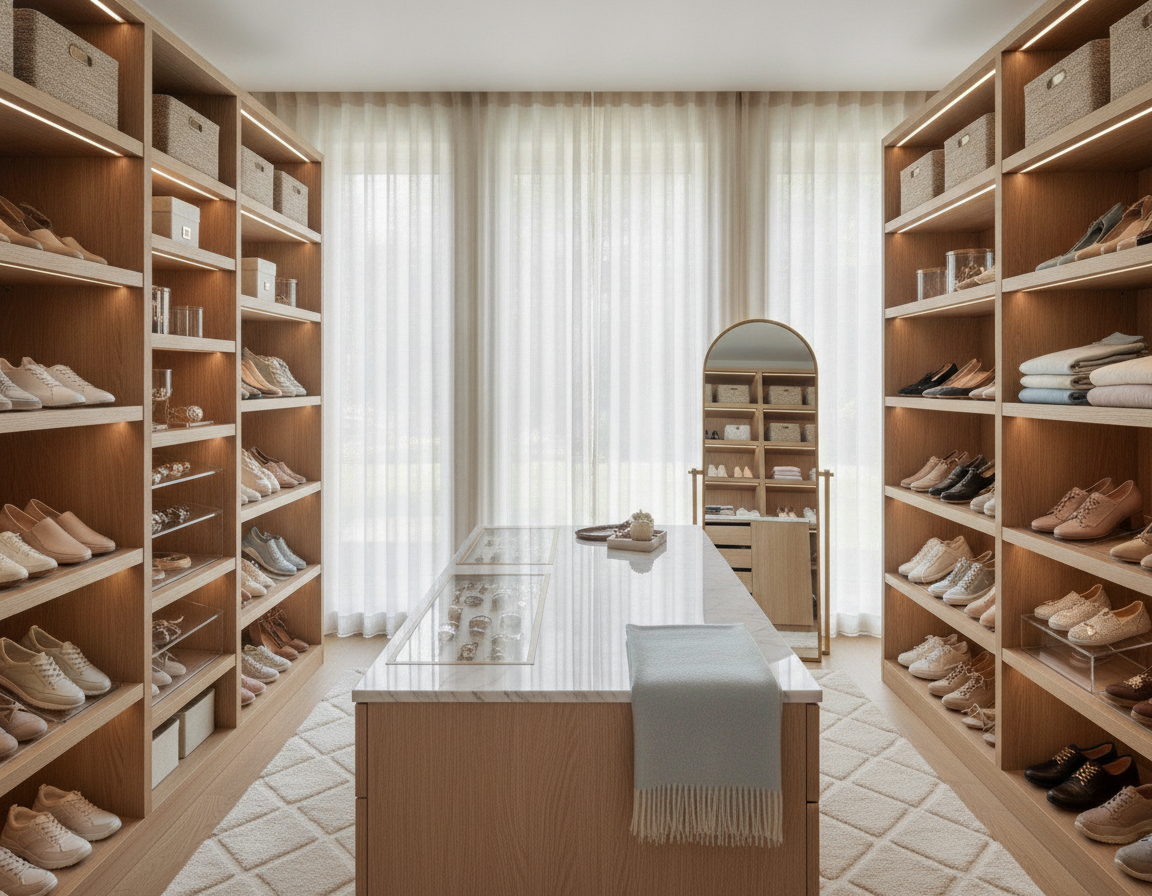
Last spring, I assisted my sister in reworking her overstuffed second-floor closet in a San Francisco Victorian. What began as a basic afternoon of sorting evolved into a weekend of meticulous measuring and sketching. We eventually installed a modular system, making every dress and shoe instantly accessible. By Sunday evening, the closet had become a mini-boutique, making her morning routine far more streamlined.


This article explores Walk In Closets Designs aimed at maximizing storage, improving organization, and upgrading both the look and functionality of your home. Whether you’re contemplating a full closet remodel or a small makeover, you’ll discover useful ideas and design principles. These are applicable to homeowners and renters nationwide.

This guide covers foundational steps such as planning, measuring, and applying sound design principles. You’ll learn about the pros and cons of custom versus modular closet systems. Smart solutions for small spaces and styling tips to achieve a boutique feel are also covered. For product ideas, you may visit www.organizercloset.com for closet organizer systems and accessories.

Key Takeaways

  • Walk In Closets Designs can transform cluttered areas into highly functional, boutique-style closets.
  • Effective closet design supports a balance between hanging, shelving, and drawer space for daily convenience.
  • Careful measuring and a complete inventory are important before starting any closet remodel or makeover.
  • Choose between custom built-ins and flexible modular systems according to your space.
  • Small closets can make better use of vertical storage, corner units, and smart accessories.

Small Walk In Closets Ideas

Planning Your Walk-In Closet: Assess Needs And Measure Space

Beginning a walk-in closet project works best when you start with useful information and simple layout tests. Start by reviewing your belongings and measuring the space carefully. Consider how the space will be used. This step is key in deciding between pre-made closet systems and custom designs.

Take A Complete Inventory Of Items To Store

Make a list of all your clothing items: shirts, dresses, coats, and suits. Be sure to include shoes, handbags, belts, ties, scarves, jewelry, and other accessories. Add seasonal items, luggage, safes, keepsakes, and anything else that may be stored in the closet. Check other storage areas like basements, guest rooms, and attics to ensure your plan covers all your needs.

Measure Current Storage Usage And Available Dimensions

Measure the width of your hanging clothes, as a row of shirts might need 36″ or more. Record the vertical space required for long items such as dresses, which may need around 52″ of clearance. Also measure shoe depth and estimate how much shelf space you will need for folded items and accessories.

Draw each wall in 2-D on graph paper, using a simple scale such as 1 cm = 2 ft for fast planning. Include ceiling height, door swings, built-ins, outlets, vents, and any other obstructions. Use blue painter’s tape on the wall or floor to test hanging depth, aiming for roughly 24″.

Consider Accessibility And User Habits

Record the heights of primary users to set rod and shelf heights for comfortable use. Place frequently used items at easy-to-reach levels. Reserve top shelves for seasonal storage, with a spot for a step stool below.

Decide whether you want the closet layout to be more boutique-like, purely functional, or a blend of both. Think about previous storage problems so you can avoid repeating them. Plan space for a full-length mirror, hamper or laundry cabinet, and outlets for LED lighting or device charging.

In small spaces, look into compact closet solutions. Compare different closet systems and those with drawers for mixed storage. If you plan to do the project yourself, review the materials, tools, and hardware needed for a DIY build.

Core Design Principles For Walk In Closets Designs

Effective closet design begins with a clear purpose. Group belongings into zones such as workwear, casual clothing, shoes, and accessories. A focal point, like an armoire-style hutch or a large mirror, can improve the feel of the space. It also guides the placement of closet cabinets and systems.

Plan the room’s layout to optimize each zone’s function. Keep daily wear near the entrance for quick and easy access. Use deeper shelves for seasonal or less frequently used items. A standout element, like custom drawers or display shelving, adds intentionality and supports organization.

Balance hanging, shelving, and drawer space

Think carefully about your storage needs. Use hanging space for suits, dresses, coats, and items that wrinkle easily. Shelves work well for folded clothing, handbags, boxes, and baskets. Drawers hide small items, keeping the space tidy. Careful planning of drawer quantity and placement makes maintenance easier and complements built-in systems or freestanding cabinets.

Use vertical space and corner solutions

Maximize wall height by using top shelves for off-season storage. Adjustable shelving offers flexibility. Corners can be difficult to use well, so consider corner units, lazy Susans, or specialty organizers. Clear acrylic drawers and risers make stacking safer while keeping items visible.

Design choices affect both function and cost. Fixed shelves are cost-effective and fit standard baskets. Adjustable shelving is more versatile and supports future changes. Custom designs are ideal for unique dimensions or high-end finishes.

Design Need Ideal Solution Why It Works
Daily wardrobe changes Accessible drawers with double hanging rods Improves hanging storage and makes daily selection faster
Off-season storage needs High shelves plus labeled bins Keeps off-season items organized while preserving everyday access
Limited closet footprint Open shelves and corner storage units Captures awkward space and maintains visibility in tight layouts
Boutique-style presentation Custom closet cabinets paired with integrated lighting Combines luxury display with practical closet system integration
Cost-conscious adaptability Modular closet systems with adjustable shelves Offers future adaptability and easier installation compared to full custom builds

Good closet solutions blend aesthetics and utility. Whether you choose modular systems or custom designs, plan zones, combine storage types, and use vertical and corner space. This approach helps create a organized walk-in closet.

Custom And Modular Closet Systems: Options And When To Choose Them

The right closet plan balances form and function. Start by considering permanence, budget, finish preferences, and installation needs. A custom closet provides a precise fit and tailored features. Modular closet systems give flexibility and quicker closet installation when needs evolve.

Built-In Versus Modular Choices

Built-in units are often framed into the walls and can match trim or millwork for a seamless appearance. Homeowners seeking a high-end finish and long-term solution often choose built-ins. A custom closet company can manage measurements, design, and installation for a polished result.

Modular closet systems arrive as pre-made components you assemble or have installed. These systems work well for renters, phased budgets, and homeowners who want the option to reconfigure later. Many modular lines include adjustable shelves, hanging rods, and ready-made drawer units.

Closet Drawer Options And Organizer Features

Choosing a closet system with drawers adds hidden storage for folded garments, undergarments, and small accessories. Closet systems with drawers improve daily usability and reduce clutter.

Look for built-in organizers such as jewelry trays, tie dividers, belt storage, and valet rods. Islands and benches with drawers increase storage in larger footprints. Professional installers commonly include drawer options as part of the standard package.

Materials, Finishes, And Hardware

Material choices affect durability and style. Premium composite wood with laminate or woodgrain finishes resists wear while mimicking solid wood. Select finishes from crisp white to warm oak tones to match bedroom décor.

Hardware choices—handles, glass fronts, and specialty pulls—shape the final look. Glass doors and polished brass pulls heighten a boutique feel. Select finishes during the design consultation to make sure they coordinate with furniture, trim, and surrounding décor.

How Features And Value Compare

Feature Custom Closet Flexible Modular System
Fit Precise fit for walls and ceiling Best suited to standard spaces and flexible needs
Price range Larger upfront cost Lower-cost options available
Installation Professional custom closet installation typical Quicker setup and possible DIY assembly
Available features Custom features and tailored drawers Many pre-designed drawers and organizers available
Home resale impact Can strongly improve appeal when designed properly Neutral to positive, depends on quality

When searching for help, try queries like custom closets near me to compare local closet companies. A solid conversation with a custom closet organizer or designer clarifies what fits your lifestyle and budget.

How To Maximize Storage In Small And Challenging Spaces

Small walk-in closets can feel tight, yet smart planning turns them into efficient, calm spaces. Aim for a layout that uses every inch of wall height, vertical storage, and available depth. Plan zones for hanging clothes, folded items, accessories, and shoes so the closet stays organized without crowding the floor.

Effective layout ideas often begin with shallow shelves and double-hang rods for shirts and pants. An L-shaped or U-shaped layout can use perimeter walls for maximum storage. For extra seating or hidden storage, pick a narrow bench that fits the footprint.

Practical Layout Ideas For Small Walk-In Closets

Use shallow 12″ shelves for baskets, folded clothing, and small storage bins. Place double-hang rods on one wall for tops and bottoms, and reserve a single long rod for dresses. Consider vertical cubbies for accessories to keep surfaces clear and organized.

Space-Saving Organizers And Accessories

Back-of-door organizers modeled on Elfa systems give immediate gain in usable space. Add accessory hooks to hanging rods for bags, scarves, belts, and hats. Use S-hooks, valet rods, drop-front shoe boxes, and clear acrylic drawers to keep items visible, protected, and easy to access.

Plan For Standard Basket And Bin Sizes

Design fixed shelves around common bin heights of 8″–11″. Leave roughly 12″ between shelves as a practical standard for grab-and-go baskets. Shelves slightly deeper than 12″ provide flexible storage for larger bins and folded linens.

For very narrow footprints, choose a narrow closet organizer or narrow-profile small closet systems. These units can provide tailored fits that look almost built-in. Small custom closets often combine shallow drawers with open shelving to maintain a boutique feel.

Prioritize vertical stacking and drawer dividers to make the most of limited depth. File-folding can save drawer space, while wall and door hooks keep everyday items within reach. A compact closet system can turn cramped closets in small bedrooms into usable, stylish storage areas.

Storage Challenge Best Recommended Solution Typical Dimensions
Shallow closet depth 12″ shallow shelving and slim hanging zones About 12″ shelf depth and 16″–18″ hanging clearance
Few vertical options Vertical drawer towers with tall open shelves 8″–11″ bin heights; 72″–96″ tall units
Small floor area Wall-mounted shoe storage and hidden-storage benches 12″–16″ bench depth and 4″–6″ shoe slots
Unorganized small items Clear boxes, rod hooks, and shelf dividers Hooks and rods add 2″–4″ clearance each; divider height matches shelf
Tight door area Back-of-door storage with slim hooks and shoe pockets Overdoor pockets 12″–18″ wide; 4″–6″ pocket depth

Creating A Boutique Feel With Styling And Finishing Touches

A well-styled closet transforms into a personal boutique. Start with a plan that balances practical function with visual flair. Incorporate lighting, mirrors, furniture, and coordinated accents to achieve a deliberate, luxurious feel without clutter.

Use Lighting And Mirrors Effectively

Install LED strips in shelves and wardrobe niches during the electrical rough-in stage. Task lighting near a vanity or closet island enhances dressing and makeup routines. Use track lights or recessed spotlights to highlight displays and add visual depth.

A full-length mirror or mirrored door inset can make the closet feel larger. Smart bulbs let you move from bright task lighting to soft mood lighting using schedules or voice commands. Good closet lighting supports both utility and ambiance.

Furniture, Seating, Islands, And Display Features

For larger walk-ins, consider a compact closet island for added surface space and drawers. In smaller spaces, a storage bench or two-drawer units that double as seating are ideal. Choose closet furniture with matching finishes for a more cohesive look.

Display jewelry on trays or busts and use hanging organizers for necklaces. A small lamp on a vanity or decorative tray on an island can add a boutique-style touch. Thoughtful display can turn everyday items into attractive visual features.

Wallpaper, Art, And Coordinated Storage As Decor Elements

Use peel-and-stick wallpaper behind open shelves or on the ceiling to add pattern without making a permanent change. Hang framed art in unexpected niches to personalize the closet. Coordinate bins, baskets, and boxes for a neat and refined appearance.

Label opaque containers so contents remain hidden but easy to locate. Coordinated storage reduces visual clutter and elevates closet styling. Lamps and small decorative items warm the room and emphasize curated luxury closets.

Choose a focal point, such as a bank of drawers or a hutch, and repeat materials or bin styles to create rhythm. A well-placed closet mirror can complement the layout and reflect lighting to brighten the room.

Design Element Purpose Practical Best Practice
Built-in LED strips Brightens shelves, drawers, and display zones Install during rough-in; warm white for clothing, cool white for task zones
Compact closet island Provides folding space and added drawers Choose slim profiles for flow; include drawers for jewelry and accessories
Full-length mirror Visual expansion and dressing aid Position near light and consider mirrored door panels
Coordinated bins Conceals items and unifies look Use matching materials with labels for easy retrieval
Decorative wallpaper or artwork Introduces pattern and visual interest Apply to back panels or ceilings to avoid overwhelming the space
Smart lighting controls Set moods and schedules Program nightlight scene and bright dressing scene for convenience

Planning, Installation, And Working With Professionals

Start with detailed sketches and a mockup so you can test dimensions before making changes to any wall. Create a 2-D plan of each wall on graph paper, using a scale like 1 cm = 2 ft. Mark standard shelf and rod depths, such as about 24″ for hanging and 12″ for baskets. Use blue painter’s tape to transfer the measurements into the room and test ergonomics, access, and circulation.

From A Sketch To A Blue-Tape Mockup

Walk through the space with the blue-tape mockup and mentally open drawers, doors, and cabinets. Adjust rod and shelf heights for users of different heights. Measure clearances for doors, drawers, walking paths, and dressing zones. This low-cost step can reduce surprises during a closet remodel and help you visualize the finished layout.

Choosing A Closet Company Or Installer

Request free in-home design consultations from closet companies. Bring your inventory list and mockup photos. Evaluate each option based on design skill, finish choices, installation services, warranties, financing, and showroom access.

Read local reviews and testimonials for companies such as Closets by Design and other national providers. Ask about catalog tiers and collections that match different budgets. Confirm if the custom closet company offers both design and professional installation for a seamless process.

Project Timeline And Cost Considerations

Request a written estimate that details materials, labor, accessories, and installation charges. Compare cost line items to understand premium composites, laminates, islands, and specialty hardware impacts. Ask about custom closet costs for similar scopes and which choices increase the budget.

Typical walk-in installations finish in one to two days for standard builds. Custom systems may require longer lead times for manufacturing and delivery. Obtain a detailed timeline and payment schedule before starting and inquire about financing options.

Professional installers help ensure panels, drawers, and shelves are anchored and aligned for safe long-term use. After installation, the closet is usually ready for immediate use, with warranties applied where available. Use searches like closet installers near me and closet designers near me to compare trade experience and local showroom visits.

If you plan DIY elements, research organizers and accessories at resources like www.organizercloset.com. Compare build-your-own choices against hiring pros to decide if a partial or full closet installation best fits your goals and budget.

Final Conclusion

Starting a walk in closets designs project requires thorough planning. Begin with a complete inventory, accurate wall and clearance measurements, and sketches for hanging, shelving, and drawer zones. This approach helps make closet organization more efficient and reduces wasted space during remodeling.

Choose between custom closets or modular systems based on your needs. Focus on maximizing drawer space, using vertical solutions, and planning around standard bin dimensions in smaller closets. Accessories like pull-out baskets and corner solutions can transform tight spaces into functional areas.

Finish the project with thoughtful lighting, mirrors, and coordinated finishes. Simple styling choices can raise your closet to a boutique-level look. Before starting, test layouts with blue-tape mockups, set a budget, and select a reputable installer. Search for closet design near me or local designers to compare quotes, timelines, and service options.

For additional resources, product ideas, and organizer options, visit organizercloset.com. Explore custom closet systems, closet storage systems, and closet installation services to bring your design concept to life. This can help create an organized and highly usable space.

Glass Repair Fort Washington

The team at Glass and Doors Region (www.glassdoorsregion.com) is a dependable local choice for glass repair for residential and small-business customers throughout Fort Washington. We excel in Fort Washington residential glass repair, covering single-pane repairs, double-pane repairs, and full window replacements. We also provide fixing sliding and patio doors, replacing skylights and shower doors, and restoring broken residential glass.


Fort Washington residents often need fast and dependable help. Our technicians can provide emergency glass repair and same-day service for many repair needs. We aim to deliver durable solutions that safeguard homes against harsh weather while boosting comfort with energy-efficient windows.

We focus on straightforward updates and make free quotes available. This makes it straightforward for homeowners looking for window repair near me or cost-conscious glass repair to find a trustworthy repair team. We are committed to providing skilled glass repair solutions with upfront pricing and reliable craftsmanship.

Key Takeaways

  • Glass and Doors Region is a local leader in Residential Glass Repair Fort Washington.
  • Core services include window, sliding door, skylight, and shower door repairs.
  • Same-day and emergency glass repair options are offered when fast help is needed.
  • Energy-saving glass upgrades can reduce drafts while helping lower future costs.
  • Free estimates and clear pricing make finding nearby window repair easier.

Why Choose Glass And Doors Region For Residential Glass Repair In Fort Washington

For residential glass repairs, choosing the right company matters. Glass and Doors Region has supported Fort Washington and the DMV for over ten years. Their technicians understand common issues and offer quick emergency glass repair services.

Broken Glass Replacement Fort Washington

Years Of Service And Local Expertise

Glass and Doors Region serves Montgomery County and nearby areas, using local experience and tested repair methods. They are adept at addressing seasonal expansion, seal failure, drafts, and storm damage. This local skill helps provide reliable scheduling and same-day service for those in need of a reliable nearby glass repair provider.

Certified Technicians And Guaranteed Workmanship

Technicians undergo rigorous training and follow accepted industry standards. Their crews perform glass work with accuracy, supporting safety and quality. Glass and Doors Region offers a workmanship warranty, providing homeowners with confidence in the long-term strength and professional quality of the repairs.

Clear Pricing And Complimentary Estimates

Quotes are offered free of charge, with detailed breakdowns of costs. Homeowners are given transparent costs and available payment details before repairs begin. This method reduces hidden costs, helping homeowners make informed decisions about cost-conscious glass repair and skilled service.

Service Benefit Expected Service Why It Helps
Local Response Fast scheduling for Fort Washington and nearby neighborhoods Reduced waiting time for emergency problems
Certified Workmanship Trained technicians backed by warranty coverage Reliable results with less homeowner worry
Upfront Costs No-cost estimates with itemized pricing Transparent planning before work begins
Urgent Support Prepared for urgent glass replacement and secure fixes Immediate safety measures and reduced exposure to damage

Residential Glass Problems In Fort Washington And Repair Solutions

Fort Washington homes often experience window and door glass problems. These may result from storms, aging materials, and everyday use. Spotting these concerns quickly helps in controlling repair costs and ensuring safety and comfort.

Single-Pane And Double-Pane Window Glass Damage

Single-pane glass issues, such as chips, cracks, or small fractures, should be addressed quickly. Experts measure and fit custom replacement panes to fit the exact window size and style. This repair helps stop drafts but also improves the home’s look.

Insulated double-pane problems manifest as foggy windows due to seal breaches. Replacing the failed insulated glass unit improves thermal performance and prevents condensation. Many homeowners choose complete insulated glass replacement to reduce heating and cooling costs.

Sliding Glass Door And Patio Door Problems

Sliding glass doors often face problems like broken glass, bent frames, or worn-out rollers or tracks. These problems may weaken safe access, locking, and smooth operation.

Repair options include emergency boarding to secure the home, complete replacement for damaged panels, and roller and track repair. The team also aligns frames to restore smooth locking and proper latch function.

Skylight And Shower Door Issues

Skylights may crack, develop leaks, or suffer seal failure. Repair solutions include resealing, replacing Velux or acrylic units, and ensuring roof-to-window sealing to help stop moisture problems. Proper replacement enhances durability and light quality.

Shower doors, including frameless types, may experience alignment issues, damaged panels, and worn seals. Service may include new hinges, fresh seals, and custom glass panels that work with the existing bathroom structure.

Problem Common Cause Usual Fix Repair Benefit
Cracked single-pane glass Impact, thermal stress Made-to-fit glass replacement Brings back a safer, cleaner window
Foggy windows Failed insulated glass unit seal New double-pane glass unit Improves insulation and clarity
Shattered patio glass Accidental or forced-impact damage Board-up followed by patio glass replacement Secures home and restores access
Jammed patio door Worn rollers/tracks, misaligned frame Sliding door adjustment, roller service, and track work Easier movement and secure locking
Leaking skylight Worn sealant, flashing damage, or roof-to-glass gaps Resealing or skylight replacement Prevents water damage and drafts
Faulty shower door Loose hardware, impact damage, or worn seals Replacement hardware, seals, or custom panels Improves function and helps stop leaks

Residential Glass Repair Fort Washington

When glass damage or seal failure occurs, quick action is essential to keep a home safe and comfortable. Glass and Doors Region provides prompt service for homeowners in Fort Washington and nearby communities. Repair crews come ready to secure the area, inspect the problem, and walk homeowners through the best options without confusing terms.

Emergency And Same-Day Residential Glass Repair Services

Broken panes pose security problems and protection risks. Their team delivers round-the-clock urgent glass repair. Crews perform temporary board-ups when required and complete many home glass repairs quickly, depending on glass availability.

Replacement Options And Energy Efficiency

Residents may select anything from basic single-pane replacement and upgraded double-pane IGUs with low-E glass and argon fills. Replacing fogged or failed IGUs with energy-efficient glass reduces drafts and reduces heating and cooling costs in the shifting seasonal conditions around Fort Washington.

Custom Glass Solutions With Accurate Measurements

Unusual openings call for precision. Installers record accurate field measurements and arrange made-to-fit glass for frameless shower glass, specialty skylights, and nonstandard windows. Custom glass solutions ensure a clean fit and lasting performance while complementing the home’s design.

How The Glass Replacement And Repair Process Works

Once service is requested, a straightforward process carries each job from inspection through completion. A technician responds to questions, then schedules a home visit for review. The assessment explains what requires attention and whether a full replacement is the best option. Requesting a free estimate is simple by telephone or web form, and the estimate outlines parts, labor, and schedule details. People searching online for nearby window repair find this clear process useful.

Free Estimate And Initial Assessment

Glass repair specialists check glass type, frame condition, and hardware. The team records cloudy IGUs, cracks, chips, or edge damage that can mean the unit should be replaced. For specialty glass, the team verifies tempered or laminated glass requirements to meet safety expectations. The no-cost estimate explains when a repair is enough and when a failed sealed unit needs replacement.

Careful Glass Removal And Installation Steps

Broken panes are cleared with a focus on safety, debris control, and clean work. If immediate boarding is needed, technicians board up the opening to protect the property. Removal often requires careful deglazing plus delicate handling of frames and seals to avoid damage. New glass is set, seals reapplied, and hardware is tuned so windows, doors, and sliders work properly.

The crew verifies tracks, rollers, latches, and thresholds to make sure alignment is correct. For sliding door systems, they check tracks and rollers for smooth travel. Weather sealing is checked and tuned to maintain energy efficiency and a secure fit.

Final Quality Checks And Warranties

After installation, crews perform final quality checks. The team confirms sealed insulated glass units are tight, inspect for gaps, drafts, or leaks, and run operational tests. The work area is cleaned and documented afterward, with documentation supplied for homeowner records.

Completed work is backed by a workmanship guarantee, and product coverage varies by manufacturer. Homeowners should ask about glass installation warranty details that includes eligible sealed units, glass, and hardware coverage. Defined warranty details provide protection and give confidence in local glass repair services.

Repair Stage What Is Checked Typical Outcome
On-site assessment Glazing type, frames, weather seals, and operating hardware No-cost estimate with a repair-or-replacement recommendation
Secure and remove Temporary boarding, broken-glass cleanup, and deglazing Secure work area with surrounding materials protected
Fit and tune Replacement glass fitting, sealant work, and hardware adjustment Tight fit, smoother function, and better efficiency
Final inspection Draft, leak, and function checks plus clean work area Completed job documentation and service record
Post-service warranty review Workmanship guarantee and product warranty information Clear protection after the repair is complete

Professional And Affordable Glass Repair Services Nearby

Locating fast and affordable glass repair in Fort Washington begins with a trusted nearby provider. Glass and Doors Region offers rapid dispatch, site-based experience with local building needs, and customized solutions for various needs. This includes home windows, shower glass, skylights, and other glazing needs.

Local Glass Repair Company Advantages

Working with a local residential glass company helps speed up urgent response and streamlines the permitting process. Local glass specialists familiar with Fort Washington codes and weather patterns, help reduce callbacks. They also provide glass solutions matched to each home.

Financing And Cost-Saving Options

Practical pricing and streamlined shop processes help keep costs low. Teams assess whether a repair or full replacement is more cost-effective, avoiding unnecessary replacement where possible. Financing and payment plans are available for bigger repairs or replacements.

Energy-saving options including low-emissivity coatings and argon gas fills, may cost more at the start. Yet, they can lower heating and cooling expenses over time, increasing indoor comfort.

Customer Reviews And Proven Results

Customer comments are important when searching for “window repair near me”. Local homeowners often mention same-day appointments, swift broken glass replacement, and reliable workmanship. Helpful reviews commonly mention on-time service for real estate deadlines and clear repair updates.

When comparing quotes, look for both fair pricing and a strong track record. Consistent positive homeowner feedback suggests consistent, professional service.

Safety, Compliance, And Specialty Services

Glass and Doors Region follows careful safety standards and proven protocols for every project. Installers work according to product specifications and building-code requirements. This ensures the safety of homes and supports long-lasting repair outcomes.

Safety Standards And Certifications

Our qualified glass specialists know how to handle safety-rated laminated and tempered glass. Their training includes professional coursework that mirror AGSC auto glazing best practices. This helps ensure proper handling, fitting, and cleanup. Property owners may ask for documentation to confirm our adherence to safety protocols.

Specialized Services And Calibration Where Relevant

Specialized glass services are available, including replacement skylights and frameless shower glass installation. For patio sliders, we repair tracks and rollers and adjust hardware for precise operation. When calibration is required, our team uses careful steps to restore proper function.

For vehicles, ADAS calibration is a separate specialized process. In residential glass service, calibration usually means accurate alignment and hardware adjustment. That helps ensure that windows, sliders, and doors work properly.

Insurance Documentation And Liability Protection

Glass and Doors Region carries proper liability coverage and offers paperwork that may help with homeowner claims. During urgent situations, we can provide temporary boarding and employ on-site protocols. These steps help protect property and reduce risk.

Glass Service What Is Included Main Benefits
Skylight glass replacement Removal, replacement glazing, and watertight sealing Improved weather protection and energy performance
Frameless shower installation Made-to-fit safety glass, hinges, handles, and precise alignment Updated appearance with safe, leak-resistant function
Patio sliding door service Roller replacement, track repair, and alignment tuning Smoother operation and extended service life
Urgent board-up service Temporary protection, claim documentation, follow-up repairs Fast protection and smoother insurance handling
Compliance documentation Proof of work, warranty details, and compliance-related records Proof for inspectors and insurance providers

Conclusion

Choosing Glass and Doors Region for Residential Glass Repair Fort Washington ensures you get local expertise you can count on. Qualified technicians deliver skilled glass repair solutions with upfront costs, no-cost quotes, and documented warranty protection. They handle urgent repairs and fast same-day options, helping restore home security and energy efficiency quickly.

Property owners benefit from energy-saving upgrades, tailored glass options, and code-conscious installation practices. As a local glass repair company, Glass and Doors Region strikes a balance between speed and quality. They offer cost-conscious repairs while maintaining workmanship and standards.

For a fast assessment or to schedule glass repair, a complimentary estimate can be requested on their official website or by calling their office. The fast and professional service from Glass and Doors Region protects residential spaces, limits drafts and energy loss, and supports protection from local weather conditions.

Reliable residential glass repair comes with trained technicians, good customer feedback, and clear warranties. The ability of Glass and Doors Region to manage urgent repairs, routine appointments, and fair pricing makes them a wise choice for homeowners throughout Fort Washington.

Remodeling Kirkland Wa: Pet-Friendly Flooring

When looking for a reliable build contractor in Kirkland, homeowners look for promises of quality, transparency, and ongoing support. They expect a builder to run projects smoothly, control project costs, and provide steady updates throughout the full project. This ensures a better-managed construction process from beginning to end.


JayMarc is notable with more than 15 years of building experience, having delivered more than 300 homes. Their strong 4.9 review score and A+ licensed-and-bonded standing show their focus on quality. These credentials are essential in preventing common issues like hidden costs, timeline slips, and subcontractor problems.

The following overview explains the importance of local expertise and what homeowners can expect from a contractor in Kirkland. The article reviews the service options homeowners may need, from home remodeling, commercial construction, and DADU construction. It also provides guidance on vetting contractors, understanding project timelines and budgets, and mentions Renovate Builders for specialized kitchen and bathroom remodels in Kirkland.

Main Takeaways

  • Select a Kirkland builder with verified local experience and excellent reviews.
  • Look for licensed, bonded, and insured general contractor Kirkland WA credentials.
  • Coordinated design-build processes can limit timeline problems and hidden cost growth.
  • Look for clear updates from permitting through post-move-in support.
  • Renovate Builders supports focused kitchen and bathroom remodels in Kirkland.

Why A Local Kirkland Builder Makes Sense For Your Custom Home

Opting for a nearby custom home builder provides practical benefits during the design, permitting, and construction process. They possess local knowledge of property values and buyer expectations, the impact of the Lake Washington School District, and the impact of proximity to Bellevue and Redmond on resale demand. This local knowledge allows builders to craft floorplans and select finishes that resonate with today’s buyers.

Remodeling Kirkland

Choosing a Kirkland builder who understands site-specific needs is critical. Contractors familiar with lakefront sites and urban parcels plan window placement to capture views. They also create movement patterns that improve daily use and specify materials that work for both current owners and future buyers. Local firms including Enfort Homes shape their plans through client feedback, helping support stronger long-term value.

For homes in the PNW, weather-adaptive construction is essential. Contractors here focus on using moisture-managing materials, low-maintenance details, and healthy indoor-air strategies. That approach helps prevent repair calls but also extend the lifespan of roofing, siding, and exterior woodwork, supporting both new homes and Kirkland renovation projects.

Understanding local permitting and zoning regulations can help projects move more efficiently. A locally experienced Kirkland builder can handle local and county rules for accessory units, site setbacks, and overlay districts efficiently. This insight avoids costly surprises and checks feasibility before building starts.

Trust starts with a proven track record. Homeowners should scrutinize a builder’s years in business, number of homes completed, and online ratings. A steady project portfolio, galleries that align with your aesthetic, and high ratings (4.8–5.0) suggest reliable work and warranty follow-through.

Selection Factor What Homeowners Should Check Why This Matters
Neighborhood knowledge Experience with local neighborhoods and school zones Helps align design with resale value and buyer expectations
Weather-smart construction Moisture-resistant assemblies, site drainage, and resilient products Protects the home from moisture damage and future expense
Permit experience Familiarity with Kirkland and King County rules Limits delays and checks feasibility sooner
Reputation indicators Years operating, homes delivered, and high review ratings Shows consistency, workmanship, and client satisfaction
Portfolio proof Photos of recent homes, remodels, and accessory units Helps verify style, skill, and project fit

What To Expect From A Quality Build Contractor Kirkland

Selecting the right construction partner is essential for controlling cost, schedule, and satisfaction. A top-notch general contractor in Kirkland, WA should bring organized workflows, documented delivery, and defined guarantees. Understand how coordinated teams, fixed prices, and one-point communication make the building process more manageable.

Integrated design-build teams bring architects, designers, and builders into one coordinated structure. An integrated JayMarc-style team coordinates decisions early, helping prevent unbuildable designs and costly revisions. Clients benefit from fewer meetings, quicker responses, and a unified schedule.

Separate design and construction workflows can lead to unclear responsibility. When responsibilities are divided, owners often manage change orders and timing gaps. This disconnected approach can increase the risk of cost surprises and timeline slippage for those searching for a contractor near me in Kirkland.

Budget certainty is key for budget control. Reliable Kirkland builders use predictable contracts or well-defined allowances. JayMarc and similar firms help create clearer project costs, shielding homeowners from open-ended estimates and last-minute expense shocks.

Schedule predictability depends on planning, logistics, and coordination. Experienced builders manage material lead times and prepare detailed planning lists to reduce delays. Companies with a proven delivery record instill confidence during construction and handover.

A single point of contact streamlines updates from permit application to completion. One assigned contact reduces finger-pointing when issues arise and streamlines decisions for clients who typed contractor near me Kirkland into a search.

After-move-in support supports long-term confidence in the project. Ask about organized warranty programs with both short-term and long-term follow-ups. Useful examples are 30-day and 1-year inspections, plus longer-term support from reliable construction companies.

Services Offered By Residential And Commercial Contractors In Kirkland

Kirkland builders support a broad selection of project types for property owners, developers, and businesses. They handle everything from new custom builds to commercial tenant upgrades. They help with permits, design choices, and construction sequencing.

Building a custom home usually starts with site analysis and early feasibility checks. Local builders may provide design-build or collaborative paths, supporting homeowners through selections, scheduling, and construction. For example, JayMarc offers a streamlined custom option and a collaborative track for detailed client input.

Bathroom and kitchen remodeling emphasizes useful upgrades and materials that hold long-term value. Renovate Builders focuses on these Kirkland remodeling projects, handling cabinetry plans, fixture decisions, and phased project timing. Clients work with a dedicated remodeling company to keep subcontractors and timelines aligned.

Home renovation projects range from whole-house updates to room-specific remodels and new accessory units. DADU and ADU projects are becoming more common, providing rental income or multi-gen living. Kirkland builders such as Alair Homes have worked alongside Wilson Studio Architecture and Strata Architects to navigate zoning and permits. Once construction begins, a DADU often takes five to eight months.

Mixed-use work and commercial construction services call for developer-style coordination and structured workflows. Teams experienced with larger commercial projects bring budgeting tools, site-logistics planning, and tenant-improvement expertise. Firms such as Enfort Homes may scale into development and spec work, scaling from single retail builds to multi-unit projects.

Construction Service Common Deliverables Typical Timeline Best Fit For
New Custom Home Construction Site review, schematic design, material selections, and turnkey construction nine to eighteen months Homeowners wanting control and one-contractor accountability
Kitchen And Bathroom Remodeling Cabinets, fixtures, plumbing, lighting, and finishes around 4 to 12 weeks for each space Clients seeking focused upgrades with limited disruption
Home Renovation & DADU/ADU Home updates, ADU planning, and city approval support DADUs often take 5–8 months; renovations vary by scope Owners seeking extra living area or income units
Commercial And Mixed-Use Construction Shell construction, tenant improvements, and phased development six to twenty-four months depending on size Developers and business owners needing coordinated teams

Choosing a contractor depends on project scope and desired oversight. For kitchens, bathrooms, and smaller interior projects, a focused Kirkland remodeling company can move the work forward efficiently. For custom homes, additions, and commercial builds, a commercial contractor Kirkland option with larger-project experience will align schedules and budgets.

For any project, inquire about permit experience, warranty coverage, and past projects. This helps confirm the chosen team fits expectations for Kirkland home renovation.

Vetting A General Contractor Kirkland WA Or Residential Contractor Kirkland

Hiring the right contractor depends on a structured review process. Start by verifying basic credentials. After that, continue with on-site reviews and client feedback. This method helps homeowners find a trusted Kirkland WA general contractor or a qualified residential contractor Kirkland provider for their project.

Licensing, bonding, and insurance are essential for your protection and worker safety. Check the contractor license details with the Washington State Department of Labor & Industries or Contractors Board. Be sure to check current bonding, liability coverage, and workers’ compensation before approving any agreement.

Discuss warranty and post-construction support. Make sure written terms explain warranty walkthroughs, extended coverage, and punch-list procedures. A clear warranty indicates the contractor’s commitment to their work.

Study project portfolios to evaluate quality. Request updated images and, where possible, finished-home walkthroughs to assess craftsmanship, finishes, and detail. Search for steady quality across new homes, renovations, and specialty projects when searching for a contractor near me Kirkland.

Check client references and online ratings. Call recent clients and read reviews on Google, Houzz, and the Better Business Bureau. Look for companies with A+ ratings or review averages above 4.9, indicating strong communication and project management.

Ask about subcontractor relationships and jobsite practices. Ask how trades are vetted, when they are paid, and how cleanup is handled. Contractors that treat trade partners well and pay promptly tend to keep better control of timing and quality.

Use a short checklist during vetting:

  • Check license and bonding information with official records.
  • Review insurance certificates for liability and workers’ compensation.
  • Inspect recent project photos and finished homes in person.
  • Contact at least three references and review 4.9-plus ratings.
  • Request warranty language and post-completion support information.

Finding a contractor near me in Kirkland becomes simpler with these steps. A careful vetting process limits surprises and clarifies expectations for a more predictable build or renovation.

Typical Timeline, Budgets, And Common Pitfalls In Home Renovation Kirkland

Strong preconstruction planning is essential for a successful project. The first step should include a site evaluation and feasibility study. This checks property lines, grade conditions, and zoning. It also helps determine whether a detached accessory dwelling unit or expansion is realistic and what permit steps may apply.

JayMarc, Alair Homes, and similar builders highlight the importance of early discovery calls and feasibility studies. These meetings help identify design constraints, cost expectations, and schedule concerns. Finalizing important choices early minimizes the risk of late change orders.

The timeline for a custom home changes with project scope and design complexity. Design and permitting may require months. After construction starts, experienced teams work toward reliable schedules. A reliable Build Contractor Kirkland will outline key dates and track progress against the schedule.

Kitchen and bath remodels and other smaller updates, usually follow tighter schedules. Remodelers such as Renovate Builders focus on phased work to reduce homeowner disruption. Homeowners should expect shorter timelines, trade coordination, and fast material decisions.

DADU construction commonly takes 5–8 months of construction after permits are issued. Permit and design lead times add to the calendar. Hiring an experienced DADU contractor Kirkland WA can reduce unknowns and improve approval speed.

Common cost drivers include foundation and site work, structural changes, and high-end finishes. Unexpected conditions, custom cabinetry, and complex systems can raise costs quickly. Builders who offer fixed-price contracts can reduce exposure to these cost variables.

Vague allowance amounts are a frequent source of budget surprises. Locking in critical selections during preconstruction helps reduce later change orders. Ask for a tight allowance structure and written scope to make estimates easier to trust.

Selecting an unqualified team can result in delays, poor workmanship, and higher final costs. Poor permit preparation, low contingency budgets, and disorganized subcontractor coordination create avoidable setbacks.

Follow these steps to reduce project risk:

  • Finish a feasibility study before starting design.
  • Ask for a fixed-price option or tighter allowance ranges.
  • Confirm permit timelines with the city early.
  • Require a clear schedule with milestones from your Build Contractor Kirkland.
  • Hire a DADU contractor Kirkland WA with local permit experience for accessory units.
Project Category Usual Planning Time Construction Duration Primary Cost Drivers
New Custom Home two to six months for design and permits about 8 to 14 months Site work, structural requirements, finishes, and custom millwork
Kitchen / Bath Remodel two to four weeks for selections two to twelve weeks Cabinets, plumbing and electrical upgrades, and demo surprises
Accessory Dwelling Unit 1–4 months (feasibility, permits) about 5 to 8 months Site access, foundation, utility hookups, permit costs

Design And Quality Standards From Kirkland Builders

Creating a home goes beyond just building a house. It requires thoughtful design and disciplined quality control. Local teams focus on layout flow, durable materials, and building methods suited to Kirkland’s climate. The best teams create practical plans that support everyday life while protecting resale appeal, helping ensure lasting craftsmanship.

Design approaches for functionality, flow, and resale value

Design begins with understanding how people use their space. Local builders including JayMarc and Enfort Homes collect homeowner input to improve layouts and circulation. The result is layouts, kitchen spaces, and window placement that support both everyday use and buyer appeal.

Material Selection, Trade Coordination, And Weather-Adaptive Construction Practices

In the Pacific Northwest, material choice is critical. Local contractors opt for durable cladding, moisture-resistant assemblies, and ventilation systems to reduce maintenance. A Kirkland residential contractor will manage subcontractors to prevent conflicts and protect the schedule.

Kirkland builders often emphasize working with qualified trades and paying them on time. This supports better workmanship, fewer schedule slips, and stronger trade performance.

Quality control processes and warranty / post-move-in check-ins

Disciplined QC can catch issues before the final handover. Integrated teams conduct preconstruction reviews to catch unbuildable details. They then use staged inspections during structural work, mechanical rough-ins, and final finishes. Site logs and punch lists document progress and corrective actions.

Clear warranty check-ins give buyers confidence. Homeowners can expect 30-day and one-year walkthroughs, with some firms providing extended support or lifetime touch-ins. A dependable builder in Kirkland shares clear warranty language and responds after completion to support long-term value.

How To Choose Between Remodelers And Builders When Searching Contractor Near Me Kirkland

Deciding between a Kirkland remodeling company and a full-service builder depends on the project’s scope and your timeline. For targeted interior work like bathrooms, kitchens, and finish upgrades, a focused remodeler often makes sense. For larger scopes, ground-up construction, large additions, DADUs, and projects needing site coordination require a full Kirkland builder.

In your first contractor conversation, ask focused questions. Inquire about the contractor qualifies trade partners. Also discuss subcontractor payment timing and how the schedule is protected. Ask for details about how the jobsite is protected, cleaned, and communicated around.

Find out how contractors handle hidden issues and scope changes. Confirm warranty terms and post-move-in service commitments. A trustworthy remodeling company Kirkland option will describe finish warranties, cabinet guarantees, and fixture coverage. A builder handling larger scopes should explain structural warranty coverage and long-term service support.

Compare boutique builders, spec builders, and design-build companies by project fit rather than prestige. Boutique builders often provide custom attention and one-of-a-kind finishes. Spec builders provide quicker timelines and standardized selections for faster occupancy. Integrated design-build teams deliver unified responsibility, better schedule coordination, and clearer pricing.

Study completed work and homeowner feedback to judge quality. Schedule an initial consultation to evaluate lot feasibility and rough pricing. Many Kirkland firms, including established builder teams, make no-cost consultations available so you can decide how to proceed.

Conclusion

Choose a local, reputable Build Contractor Kirkland who understands neighborhood values and the PNW climate. The team should also understand Seattle-area and Eastside permitting. A dependable general contractor Kirkland WA option will provide license details, insurance proof, and a relevant portfolio that proves their background and completed-project history. Look for firms with more than 15 years in business, hundreds of completed projects, and near-4.9 ratings to indicate reliability.

Choose integrated design-build teams or very clear contracts to minimize cost and schedule surprises. Ask about warranty support, such as short-term touch-ups, one-year guarantees, and extended structural protection. Also, request client references and before-and-after portfolios. For bathroom and kitchen renovations, consider Renovate Builders or other experienced remodeling specialists.

Explore DADUs and accessory dwelling units as flexible housing solutions. Hire experienced DADU contractors to coordinate zoning, utility hookups, and property constraints. Review completed work and local references for construction services Kirkland providers and residential contractor Kirkland firms to support code compliance and resale value.

Next steps: schedule a discovery call or feasibility evaluation, request references and sample contracts, and confirm credentials before signing. Following these steps can help you choose a reliable partner who can deliver your project on time and within budget with strong construction services Kirkland experience.

Glen Rose TX Brush Clearing And Land Clearing For Overgrown Areas

Bronco Land Clearing provides professional land clearing and forestry mulching services. Their team helps homeowners, ranchers, and recreation-property owners in Glen Rose, TX. They handle brush clearing, tree removal, lot clearing, and site preparation. Their trained teams rely on heavy-duty equipment to complete each task safely and efficiently.

Check out Land Clearing Glen Rose TX
This overview explores land clearing choices in Glen Rose, TX, the standard workflow, and what to expect when hiring a contractor. It further explains affordable land clearing services and aftercare tips. Together, these tips help convert rough acreage into usable land for building, ranching, or outdoor enjoyment.

Working with Bronco Land Clearing can support better access, stronger safety, and lasting value. Well-planned clearing enhances accessibility and may lower wildfire danger. In addition, it can limit erosion issues and increase property appeal when local Texas conditions are taken into account.

What To Know About Land Clearing Services In Glen Rose

Property owners planning to build, upgrade ranch land, or develop recreational space should understand the basics of professional land clearing. This section outlines common tasks, the advantages of hiring skilled crews, and the regional factors that shape Texas land clearing projects. Understanding these details can support smoother planning and better results.

What Land Clearing Includes

Land clearing involves removing trees, stumps, brush, rocks, and other obstacles so a site can be used for a new purpose. Common methods include forestry mulching and brush cutting. They convert dense growth into mulch that helps reduce regrowth and shield the soil.

To prepare a site for construction, contractors often handle stump grinding, selective tree removal, lot clearing, grading, and drainage corrections. The process usually finishes with debris removal, erosion control, and final grading. These final steps help create a safe, practical, and usable space.

Local providers such as David Landscaping and Tree Service and Cdslands Caping and Treeservice offer these services throughout Somervell County and nearby communities. That local presence gives residents additional choices for site-clearing support.

Land Clearing Glen Rose TX

Why Professional Land Clearing Matters

The efficient removal of large trees and deeply rooted stumps generally calls for heavy machinery and experienced operators. Experienced crews help minimize safety issues, improve efficiency, and protect site value for future development.

Experts can prepare stable, open areas for homes, driveways, and ranch upgrades. They often manage permit needs, utility locates, and compliance measures to avoid expensive setbacks.

Effective clearing can slow rapid vegetation regrowth, reduce erosion, and support long-term access. A reputable land management company adds consistency and accountability through trained in-house crews.

Texas-Specific Considerations For Land Clearing

Land clearing in Texas is shaped by terrain and plant growth patterns that require regional experience. Regional crews know how local brush, soils, and slopes can impact a clearing project in Glen Rose.

Securing permits, getting HOA approvals, and coordinating utility locates are common project steps. Local crews often take care of these details so the project can move forward without unnecessary delays.

Drainage and weather conditions are also important when determining the need for grading and erosion control. For ranch acreage or private land, contractors often include maintenance planning as part of broader land management services.

Land Clearing In Glen Rose Tx

In Glen Rose, homeowners and builders often rely on professional crews for efficient clearing and site preparation. These providers handle projects ranging from small residential jobs to large-scale land development for new builds, ranch upgrades, and recreational trails. Hiring experts who understand local permits and soil conditions can save time and reduce risk.

Land Clearing Services Available In Glen Rose

Companies such as David Landscaping And Tree Service and Cdslands Caping and Treeservice focus on brush clearing and related site work. They offer tree and stump removal, forestry mulching, lot clearing, grading, and site preparation. Those services address a wide range of needs, from clearing thick brush to preparing land for development.

Broader land development work can cover home-site clearing, driveway access, ranch upgrades, and trail corridor preparation. Some providers also offer ongoing residential land clearing plans to manage regrowth and protect property value.

The Typical Residential Land Clearing Process

Most projects begin with an initial assessment of the terrain, vegetation, access, and overall goals. That early review helps shape a tailored approach and more accurate cost estimates.

The next stage often involves permitting and compliance work. They determine what permits, HOA approvals, and utility locates are required before the job begins. Handling this correctly can prevent project delays and unnecessary penalties.

During clearing and removal, trained operators use heavy equipment to take out trees, brush, and stumps. Property owners can select either full clearing or selective removal based on the look and function they want.

After clearing, crews move into grading and final preparation. Crews smooth the surface, adjust drainage, manage erosion, and remove debris so the land is ready for building, ranch use, or recreation. The job usually ends with a final walkthrough to confirm the land is ready to use.

What You Can Expect From Glen Rose Contractors

Property owners should expect clear estimates and a defined scope of work. Good contractors usually spell out permitting, utility checks, timelines, and access needs in advance.

Professional crews use appropriate machinery and trained operators to deliver safe, clean results. Many local companies use in-house teams to maintain consistent quality rather than outsourcing the work.

Strong contractors also talk through post-clearing options such as mulching, hauling, and long-term land management. Clear communication about risks, cleanup, and future service options helps property owners make informed decisions.

Selecting The Best Professional Land Clearing Provider

Choosing a contractor for lot work requires careful research. The company should be licensed, insured, and backed by a solid safety record. Experience with Texas-specific brush and soil conditions can help prevent costly surprises later.

Request examples of previous work and customer feedback before choosing a provider. Photos from projects such as lot clearing in Glen Rose TX can help you judge workmanship. You should also find out whether they rely on in-house crews and which machines they use, such as mulchers and stump grinders.

  • Check the contractor’s permit and utility locate process.
  • Review erosion control plans and post-clearing stabilization methods.
  • Check debris removal methods and cleanup expectations.

Request detailed quotes so you can compare providers fairly. A strong estimate should separate costs for mobilization, clearing, stump grinding, mulching, hauling, grading, and disposal. Make sure the schedule and payment terms are clearly explained before you agree to anything.

Cost is important, but the long-term value of the work is equally important. Cheaper services may overlook critical steps like grading or erosion control, leading to greater expense and risk in the future. Ask whether the contractor backs the work with any warranty or ongoing service support.

  • Compare what is included, not only the final price.
  • Evaluate both equipment quality and operator experience.
  • Look at maintenance options and follow-up support.

Bronco Land Clearing stands out in Glen Rose for forestry mulching and tree removal. They specialize in brush clearing while preparing sites for ranching or construction with a strong emphasis on safety and clean results.

Bronco Land Clearing provides end-to-end support, including initial assessment, permitting, clearing, stump grinding, grading, and aftercare management. That local Texas experience helps improve consistency and project reliability.

When comparing providers, review past work, pricing detail, equipment, and after-service care. Selecting a professional and affordable land management company can safeguard your investment and speed up completion.

Preparing Your Property And Aftercare

Strong communication helps set up a smoother and more successful job. Begin by walking the property with your contractor and marking property lines, driveways, wells, septic systems, and any trees you want to preserve. It is also important to request utility locates to avoid damaging underground lines and pipes.

Make sure the exact scope is clear, including whether the work is a full clear, a selective clear, or mulching only. Choose where equipment and debris will be staged, and move vehicles, trailers, and toys out of the area. Make sure all permits and HOA approvals are covered, whether by you or the contractor. Access routes should also be able to support the weight of heavy equipment.

Steps To Prepare Before Land Clearing Begins

  • Mark boundaries and sensitive areas clearly so accidental damage is less likely.
  • Identify and protect wells, septic systems, and driveways.
  • Schedule utility locates and confirm who is responsible for permits.
  • Set aside staging locations and clear away vehicles and movable belongings.
  • Review your target result with the team so the finished work matches your plans.

Post-Clearing Land Management

After clearing is finished, plan for erosion control and grading so drainage moves water away from foundations and pastures. Good grading helps minimize runoff and supports healthier soil conditions. That mulch layer can help retain moisture while slowing the return of unwanted vegetation.

Consider whether it makes more sense to keep the mulch on site or have it hauled off. Keeping the mulch may support the soil, cut back weeds, and delay the need for fresh seeding. Regular upkeep keeps the land functional, so it helps to schedule brush control, selective mowing, and occasional re-clearing as needed.

Some owners may benefit from hiring a land management company for seasonal upkeep, invasive species control, and firebreak maintenance. A local provider familiar with tree removal Glen Rose and Texas land clearing can tailor a plan to the climate and terrain.

Common Uses: Building, Ranching, And Recreation

On building sites, crews clear the lot area and grade the ground so foundations, driveways, and utilities can be installed on a stable base. Strong preparation can reduce construction delays and help avoid costly foundation corrections.

Ranchers often benefit from selective clearing that expands grazing areas, removes invasive species, and forms corridors for livestock movement. In addition, it can make fencing projects easier and improve access to key ranching areas.

Common recreational uses include trails, campsites, and hunting stands. This approach can open the land up without removing the character and visual appeal of the property. Local teams such as Bronco Land Clearing offer professional land clearing services designed around those recreational goals.

Local firms such as Bronco Land Clearing and other reputable contractors offer land development services and tree removal Glen Rose with tailored aftercare options. A good contractor will usually offer follow-up support so the land stays safe, useful, and attractive.

Conclusion

Professional land clearing in Glen Rose TX goes well beyond basic brush cutting. It often includes permitting, erosion control, stump grinding, grading, and long-term use planning. Whether the project is for a homesite or ranch acreage, understanding these steps can make budgeting and scheduling easier.

Hiring experienced crews can increase both safety and efficiency when heavy machinery is required. They can also help ensure local compliance standards are met. Affordable services can prepare land for construction or ranch use while improving value and usability, but permitting and post-clearing management should still be discussed in advance.

When you need forestry mulching, brush clearing, tree removal in Glen Rose, or broader land development support, a locally focused company can be a practical option. Bronco Land Clearing provides custom quotes and affordable service options for Glen Rose TX properties. It is wise to request a detailed quote and compare offers so you can choose the best fit for your land and your goals.

Bathroom Remodeling Redmond Wa: Change Order Management

Can a single bathroom remodel improve your home’s comfort and resale value while keeping costs under control? With Renovate Builders, homeowners get expert bathroom remodeling services in Redmond and the Eastside. This local team, guided by design expertise, offers functional, attractive solutions for many different bathroom projects. They handle everything from tub and shower replacements to walk-in showers, vanity installations, tile work, flooring, and full bathroom conversions.

See details about Bathroom Remodeling Redmond Wa
Whether you need a simple update or a complete redesign, Renovate Builders has cost-conscious options. Below, we explore the benefits of local contractors, the full range of services, design ideas, timelines, and cost guidance. It also explains permits, project management, and post-project warranties and walkthroughs.

To get expert advice and schedule a free consultation, head to renovatebuilders.com. There, you can view portfolio examples and schedule an estimate with a trusted team experienced in professional bathroom remodeling Redmond Wa.

Main Takeaways

  • Renovate Builders is known for Bathroom Remodeling Redmond Wa and Redmond WA bathroom renovation projects.
  • Services include tub/shower replacements, walk-in solutions, vanities, tiling, flooring, and full remodels.
  • Local knowledge supports codes, permits, and Eastside construction realities.
  • Style-driven, budget-minded methods balance style and function.
  • Visit renovatebuilders.com to see portfolios and book a consultation.

Why Choose Local Redmond Bathroom Remodelers For Your Home

Selecting a nearby crew for your bathroom renovation in Redmond, WA, gives you quicker communication and practical on-site expertise. Local remodelers are familiar with area logistics, supply networks, and Eastside scheduling realities. Their local experience helps avoid setbacks and supports an efficient timeline.

Strong Knowledge Of Redmond Building Codes And Permits

Professionals with deep knowledge of Redmond building requirements are able to handle submissions and inspections more efficiently. Major remodels, which often require permits, can cost between $250 and $900. Area contractors streamline submissions, communicate with inspectors, and prevent many typical setbacks.

Eastside Reputation And Track Record

Leading bathroom remodelers in Redmond establish trust with consistent quality and local reviews. They often work throughout areas like Redmond, Bellevue, Kirkland, and Seattle, with experience across many types of bathroom projects. Be sure to review references and case studies to check quality and reliability.

Benefits Of Working With Licensed, Insured Contractors

Working with licensed, insured Redmond contractors protects homeowners financially and legally. These professionals maintain a Washington State general contractor license, liability insurance, bonding, and workers’ compensation. That means they can manage permits, coordinate trades, and back work with warranties, reducing stress during your renovation.

Renovate Builders combines local permit expertise with a long history on the Eastside. Their process emphasizes compliance, clear timelines, and strong customer references. That can make your bathroom renovation in Redmond, WA, smoother, with trusted top-rated contractors and licensed remodelers guiding each stage.

Bathroom Remodeling Redmond Wa

Redmond Wa Bathroom Remodeling

In Redmond, local contractors offer an extensive selection of services, from cosmetic improvements to complete overhauls. Many remodelers deliver all-in-one solutions that include design, permits, demolition, trade coordination, installation, and cleanup. Work may include tub-to-shower conversions to walk-in showers and bathtubs, vanity upgrades, tile work, and plumbing and electrical improvements.

These turnkey packages make the process easier by cutting down on vendor management. Companies such as Ferguson Plumbing Supply and Kohler-certified dealers often work with remodelers on fixture selections. Licensed trade professionals take care of rough work and inspections, and homeowners can expect customized designs, cabinetry, and high-end finishes backed by detailed planning.

Project length depends on scope and material choices. Smaller cosmetic changes and tub swaps can be completed in days or a couple of weeks. Larger renovations and reconfigurations usually run two to four weeks, with permit timing and material delivery affecting the schedule. More extensive work or multi-bathroom projects may continue longer. Typical phases cover design planning, permit processing, demolition, rough plumbing and electrical, inspections, finishing work, and the final walkthrough.

  • Initial consultation plus design planning
  • Permit submission and approval
  • Demolition and rough-ins for plumbing and electrical
  • Inspections, installation of finishes, and final walkthrough

Smart budgeting starts with clear priorities and realistic estimates. Cosmetic upgrades usually cost less than full reconfigurations or premium finish packages. It is wise to factor in permit costs, which can reach several hundred dollars, along with a cushion for surprises behind walls or under floors. Detailed estimates from established contractors often break expenses into labor, materials, and permits.

If affordability is a priority, phased remodeling may spread costs over time and preserve function in multi-bathroom homes. In a single-bathroom household, it is important to prepare temporary alternatives ahead of time. Many experienced contractors may also offer financing for bigger renovations.

Several simple precautions can improve your renovation experience. Check warranties for labor and materials, confirm bonding and insurance, and clarify who handles permits and inspections. Keeping communication clear about selections, lead times, and change orders helps the project stay on time and on budget.

Bathroom Design Ideas And Expert Design Help In Redmond

Transforming a compact bath into a serene, functional space requires thoughtful planning. Professional bathroom design in Redmond combines smart layouts with durable materials. The result is a design approach tailored to Redmond homes and daily routines.

Space-Saving Layouts And Modern Ideas For Redmond Homes

In smaller bathrooms, making the room feel larger is essential. Frameless glass walk-in showers help open up the room, and floating vanities preserve floor space while simplifying cleanup.

Pocket doors remove the problem of door swing in tight layouts. Recessed medicine cabinets and built-in shower niches support a cleaner countertop and tidier look. Low shower curbs and barrier-free entries support both style and future accessibility.

Material And Finish Trends Popular In Redmond

Large-format porcelain tile creates a clean, seamless appearance while minimizing grout lines. Luxury vinyl plank combines water resistance with the inviting appearance of wood.

Engineered stone counters offer long-lasting durability and low-maintenance appeal. Matte black and brushed nickel remain popular fixture finishes, and white oak millwork introduces an appealing natural counterpoint to contemporary hardware.

Proper waterproofing and precise tile installation are essential. These measures safeguard your investment and support long-term material durability in Redmond homes.

Personalization And Accessibility In A Custom Bathroom Remodel Redmond

Customizing a bathroom involves more than selecting colors and finishes. Custom cabinetry, tile mosaics, and distinctive fixtures can reflect personal taste, while design-build teams help translate ideas into workable plans.

Accessible design can still feel stylish. Matching grab bars, integrated benches, and curbless shower entries can improve comfort while supporting long-term usability.

Through Renovate Builders, clients receive support for design, material selection, and custom installation choices. The goal is to balance beauty with function in your bathroom remodel in Redmond. Experienced professionals help deliver a completed bathroom that satisfies both design goals and daily-use requirements.

How To Find The Best Bathroom Remodelers Redmond And Top-Rated Redmond Bathroom Contractors

Finding the proper team matters when planning a smooth bathroom upgrade. Focusing on licenses, communication, and local experience can help. Doing so improves your chances of hiring the best bathroom remodelers Redmond homeowners trust and helps reduce surprises in timing or price.

Begin by checking the company’s Washington State contractor license and bonding. Be sure to review liability insurance and workers’ compensation proof. After that, examine before-and-after images to assess craftsmanship in tile, cabinetry, and detailed finish work.

Look through recent testimonials and contact past Redmond clients when possible. Make sure the company regularly serves Redmond, Bellevue, Kirkland, and Seattle to avoid higher quotes tied to extra travel. Portfolio quality and a record of finishing on time can help distinguish leading Redmond bathroom contractors from the rest.

What To Ask During Your Free Consultation

Ask who will manage the project day to day and how subcontractors are screened. Request projected timelines, material allowances, and examples of similar jobs with client contacts.

Verify permit responsibility, inspection scheduling, and warranty details. It is also smart to ask about jobsite cleanliness and whether the crew maintains a clean-as-you-go process. You should request a detailed, no-obligation quote listing the scope, exclusions, and payment schedule.

How To Compare Quotes For Affordable Redmond Bathroom Remodeling

When comparing contractors, look past the total and examine labor, material, and permit breakdowns. Prioritize clear pricing, dependable scheduling, and defined cleanup duties. Affordable Redmond bathroom remodeling should mean worthwhile value rather than the lowest number.

It can help to choose firms that provide financing options and keep a manageable number of jobs underway. As you review Redmond bathroom renovation quotes, compare warranties and timeline commitments as well. Scheduling consultations with Renovate Builders or other vetted local remodelers can help you gather thorough, comparable estimates.

Project Management, Permits, And Expectations For A Redmond Wa Bathroom Renovation

An effective bathroom renovation starts with clear project management and a realistic timeline. At Renovate Builders, a dedicated project manager oversees trades, inspection scheduling, and ongoing communication. This system helps maintain the schedule and lowers stress for homeowners during a Redmond bathroom renovation.

Redmond Permit And Inspection Process

Larger bathroom projects that alter plumbing, wiring, or structure often require permits in accordance with Redmond Municipal Code. Depending on the work involved, permit costs can fall between roughly $250 and $900. Professional contractors typically manage drawings, filings, and inspections to keep the approval process moving. Cosmetic-only updates may not require permits, but your contractor should verify that before work begins.

Minimizing Disruption And Maintaining A Clean Jobsite

Professional crews use floor protection and a clean-as-you-go process to reduce dust and prevent damage. Work is usually sequenced to limit overlap between trades and keep noise more manageable. For homes with several bathrooms, the schedule may be arranged to keep one bathroom available. Frequent communication also helps homeowners plan around the work and reduce downtime during Redmond bathroom makeover services.

Warranties, Final Walkthrough, And Post-Project Support

Established remodelers often back their workmanship while manufacturers cover many fixtures and finish materials. The final walkthrough helps confirm completed items and identify any minor touch-ups on a punch list. Post-project support may include warranty service, care guidance for tile and surfaces, and assistance with HOA paperwork when required.

Renovate Builders oversees permitting, inspections, cleanup, and aftercare for professional bathroom remodeling Redmond WA projects. That means clients can expect straightforward scheduling, documented warranties, and a move-in-ready bathroom once cleanup and the final walkthrough are complete.

Wrapping Up

Choosing local, licensed, and insured professionals is a smart move for bathroom remodeling in Redmond WA. They are familiar with Redmond’s permit and inspection process, helping support reliable scheduling and quality work that meets Eastside standards.

Before agreeing to a project, be certain you understand the full service scope and expected costs. An itemized quote can help you compare options more accurately and limit unforeseen expenses.

Working with a skilled Redmond bathroom design team can help you explore smart layouts and efficient space-saving concepts. Ask to see portfolios, request references, and confirm credentials so the finished remodel matches both your style and your safety requirements.

If you are ready to transform your bathroom, contact renovatebuilders.com for a free consultation. Their services are positioned as transparent and affordable, but it remains important to review past work, check references, and verify credentials first. Those steps help protect your investment and support lasting results.

Why Renton Accessory Dwelling Unit Builders are the Top Choice

In the Ballard area of Renton, a local family converted an underused yard into a profitable rental asset. By building a backyard cottage behind their Craftsman home, turning a neglected space into a reliable source of income.

Get Started With a Renton ADU Project
Their detached accessory dwelling unit handled several problems. It created a long-term home for a young teacher and made room for weekend guests. Along the way, this small guest house improved parking and privacy while also boosting the property’s value.

This guide covers the essential points of backyard ADU construction. It is meant for anyone thinking about adding a backyard cottage. We explain what makes an ADU fixed and self-contained, and we further explain why a planned cooking area is critical for classification.

Detached ADUs (DADUs) are measured against attached and junior ADUs. You will learn about local code details, including Renton’s setbacks and required separations. Height limits and fire-rating rules also shape backyard cottage plans.

This guide also reviews permits, utility hookups, and the difference between converting a garage and building a new guest house. Whether your goal is rental income, multigenerational living, or a home office, this guide serves as a starting point. It gets you ready for zoning and cost considerations.

Is A Backyard Cottage Right For Your Property? Benefits, Uses, And Considerations

Placing a backyard guest house on your lot can change how your property is used. A carefully planned unit can support multigenerational living, generate rental income, and provide flexibility for home offices or guest space. It is important to research local regulations and lot limits early so you can avoid avoidable delays and expenses.

Common Uses For Backyard Cottages

A lot of owners build a backyard guest house to care for a family member while keeping separate living spaces. Others seek passive rental income to offset mortgage payments. Some use these cottages into private home offices or short-term rentals for visitors looking for local experiences.

Build an ADU in Renton

The Pros And Cons Of Building A Backyard Cottage

Key advantages include increased property value, added income, and more affordable housing on existing land. A strong design can protect tenant privacy through orientation, landscaping, and separate entrances. This often creates more privacy than dense apartment living.

Potential drawbacks include upfront costs and the complexity of permits. Poor lot grading and zoning restrictions can also slow construction. Those constraints may affect resale value or impose size limits that reduce the unit’s usefulness.

When A Backyard Cottage Is A Strong Fit

A backyard cottage is usually a good fit when the lot meets zoning setbacks and has at least a 5′ separation from the main house; 10′ is preferable for fire safety. Lots with good rankings for width and coverage usually make construction more feasible and cost-effective. Smart design choices should address site constraints to protect neighbor privacy and support resale value.

Before you begin, review local codes in your area. Regulations vary across the country and can affect size, allowable uses, and the eventual resale of the unit. Good design and planning help ensure the project meets your needs without unexpected issues.

How Backyard Cottage Construction Works

The selected construction method has a major effect on cost, timeline, and site requirements. Options include stick-framed builds, modular factory-built units, and prefabricated structural insulated panels (SIPs). Stick-framed projects offer more design flexibility, while modular units arrive mostly finished and typically need only a foundation. SIP systems, by contrast, can provide quick enclosure and high thermal performance through crane-assisted panel placement.

Early project work can be almost as involved as that of a full-sized home. It may include survey work, soils reports, civil and structural engineering, and arborist assessments for trees. Early feasibility studies can help avoid surprises and keep budgets under control.

Timelines vary by method. Custom backyard cottages often take six to twelve months from permit to completion, while prefab or modular approaches can shorten that to three to six months. Garage conversions are usually quicker and less expensive, but they still require permits and upgrades for plumbing, electrical, and egress.

Utility hookups and permits are vital to project success. Plans should address water, sewer or septic, power, and gas service. Close coordination with the local building department is important if you want to avoid delays and expensive rework.

Conditions on the site can raise complexity. Challenges such as steep slopes, drainage problems, and hidden infrastructure increase labor needs and mitigation costs. For that reason, converting an existing garage remains a popular option when yard space is limited.

Bring in experienced backyard cottage contractors early in the process. A licensed architect can help ensure the design aligns with code and zoning, which may reduce change orders. Skilled contractors familiar with local rules and multiple construction methods can help manage budgets and timelines.

Type Of Construction Usual Timeline Typical Cost Range (US) Primary Advantages Key Cons
Stick-built custom project Roughly 6–12 months $120,000–$300,000+ Flexible design choices and easy on-site adjustments Longer timeline and higher labor costs
Factory-built / modular Typically 3–6 months Roughly $80,000–$200,000 Quicker setup with strong factory quality control Delivery constraints and required site/foundation preparation
Prefab SIP panels Typically 3–7 months Roughly $100,000–$220,000 Strong insulation and fast enclosure Requires lifting equipment and skilled installers
Converted garage ADU 2–6 months $40,000–$120,000 Lower cost and reuse of an existing structure Limited layout options, possible structural upgrades

As you plan a backyard cottage, balance budget, timeline, and site realities. Choose contractors with local code knowledge, prior ADU experience, and a clear scheduling process. Engaging architects and contractors early can minimize costly mistakes during construction.

Understanding Zoning Regulations And Permits For Backyard Cottages

Before you begin your project, it is important to understand local accessory dwelling unit regulations. The rules for backyard cottages vary across cities and states. They define allowed unit types, size limits, setbacks, height rules, and required studies. Thorough early research can prevent surprises and help keep the project moving.

Labels such as ADU, DADU, and JADU set the groundwork for what you may build. An ADU generally includes full living amenities such as a kitchen, bathroom, and sleeping area. DADUs, or detached backyard cottages, must be separate from the main house, often by at least 5 feet, though 10 feet is ideal. JADUs are located within the existing home and are usually smaller, often under about 500 square feet.

Common zoning restrictions often include minimum lot sizes, widths, and depths. In cities like Renton, a minimum lot size of around 3,200 square feet, a 25-foot minimum width, and a depth of roughly 70 feet may apply. Some larger lots may receive exceptions. Height limits vary with lot width and roof form. Narrow lots may face stricter base heights, with possible increases for pitched roofs or green-building bonuses. Rear-yard intrusion can sometimes produce limited height exceptions, though allowable heights near property lines may still be reduced.

The permit process starts with accurate site data. GIS mapping and a topographic survey can help reveal underground utilities. You may also need soils or geotechnical reports, infiltration studies when stormwater matters, arborist reports for significant trees, and structural or civil engineering documents when required.

Launching a Preliminary Application Report early can help identify zoning conflicts. PAR processing can take around two months in many jurisdictions. A thorough PAR reveals missing studies and clarifies whether the design aligns with permit requirements. Wrong or incomplete documentation can slow approval and add cost.

Recent reforms at the state and local level have changed timelines and sizing rules in many areas. Some jurisdictions now allow larger ADU footprints, reduced parking requirements, and faster review windows, sometimes targeting a 60-day approval cycle. Even so, building permits, inspections, and utility connections remain necessary before occupancy.

Partnering with a permit consultant or an architect who knows local codes can streamline filing. Clear site documentation and an organized submission can improve the odds of timely approvals for backyard cottage permits and ADU permits, while reducing back-and-forth with planning departments.

Understanding Backyard Cottage Zoning Regulations

Zoning for backyard cottages differs across cities. Many areas, including places like Renton, apply lot coverage caps of around 35% in single-family zones. To estimate what space remains, use a formula like: (Lot Size × allowable %) − existing coverage. For smaller lots under 5,000 square feet, the rule is often 1,000 square feet plus 15% of the lot area.

Local regulations count the ground-level footprint of all structures, including the house, garage, and sheds. Structures that have been demolished do not erase prior coverage unless the permit history clearly supports that change. As a result, those rules directly shape the design and size of backyard ADUs.

Clearance rules and setbacks are especially important. Many codes require a 5-foot gap from the main house and side lot lines, unless an easement applies. Rear-yard rules may allow a detached unit to occupy up to 60% of the space, but that depends on site constraints and tree protection. Alley lots can follow special rules, with rear setbacks measured from the alley centerline and, in some cases, allowed to be zero feet.

Size limits on detached units vary from city to city. Some places cap ADUs at 800 square feet, while others allow larger units. In many locations, the primary dwelling must remain on the lot to preserve saleability. Since added square footage can increase property taxes and insurance, those costs should be part of the planning process.

Statewide reforms have made ADUs easier in many places by reducing parking demands, expanding size allowances, and speeding up review times. However, each city keeps its own rules. For that reason you should confirm backyard cottage zoning with the local planning department before submitting plans.

If you want to plan well, calculate lot coverage, confirm setback and entrance rules, and verify size and saleability requirements. These steps help you design a compliant backyard cottage while reducing the chance of expensive permitting changes.

Evaluating Site Feasibility: Lot Coverage, Setbacks, And Utilities

Assessing site feasibility for a backyard cottage requires a close look at lot size, lot shape, and existing structures. Small lots under 3,200 square feet face stronger constraints, while larger lots usually provide more flexibility. Early lot coverage calculations reveal how much buildable area remains after the main house, driveways, patios, and other improvements are counted.

Calculating Available Lot Coverage

The first step is applying the local coverage standard. Many jurisdictions allow 35% maximum coverage or use a formula such as 1,000 square feet plus 15% for lots under 5,000 square feet. A common calculation is: (Lot area × 0.35) − existing impervious area = available ground-floor footprint.

Grading tiers help set realistic expectations. Narrow lots under 30 feet wide may support a single-story cottage with a loft. Lots with roughly 400 square feet of remaining coverage may fit a compact two-story structure. Larger allowances of 500 square feet or more can support up to 1,000 square feet of ADU living area or even space for an attached garage.

Usable Building Envelope, Setbacks, And Rear Yard Rules

Review setbacks early. Minimums often include 5 feet from the main residence and 5 feet from side lot lines. Rear setbacks commonly follow the smaller of 25 feet or 20% of lot depth, with minimums near 10 feet on smaller lots.

Rear-yard rules often allow a cottage to occupy up to 60% of that area. Alley lots measure rear yard from the alley centerline, which may create more usable space but can also introduce utility or access challenges. A 0-foot alley setback may be allowed for foundations, though a 1.5-foot clear space is often recommended for drainage and maintenance.

Planning For Utilities, Stormwater, And Site Constraints

Address utility planning before design. Sewer connections should be scoped with camera inspections and elevation checks so you can avoid unexpected pump requirements. If gravity flow is favorable, tie-ins beyond the main house may be preferable. Surveys and utility locates can help prevent expensive excavation surprises.

Stormwater requirements often depend on the total new impervious surface. Adding less than 750 square feet of new impervious area often triggers only minimal controls. New surfaces from 750 to 1,500 square feet usually require approved off-site discharge or a mix of bioretention and drywell measures. Projects beyond 1,500 square feet commonly require on-site retention or infiltration supported by testing and civil engineering.

Significant trees and critical areas can reduce buildable area and require buffers. Slopes, landslide zones, and buried culverts may make a site infeasible or add major costs for drainage and shoring. Long driveways or remote parcels may also trigger fire sprinkler requirements when access limits emergency response.

Create a feasibility checklist that covers lot coverage math, setback calculations, utility hookups, impervious-surface rules, and topographic conditions. Early coordination with planning staff and a civil engineer can clarify stormwater requirements and reduce the risk of last-minute redesigns.

Understanding The Cost Of Building A Backyard Cottage

Understanding the cost of a backyard cottage requires looking at several build types. Prefab and modular units often fall between $100,000 and $250,000. Garage conversions commonly range from $80,000 to $150,000. Custom detached site-built cottages may cost from $150,000 to $400,000 or more in high-cost construction markets.

Before the build begins, soft costs can materially affect the budget. These may include site surveys, topography, geotechnical work, arborist reports, structural and civil engineering, and environmental testing. Some cities also require a Preliminary Application Report, which can lengthen the timeline and increase fees.

Conditions on the lot can add specialized work and extra costs. Utility hookups, sewer capacity charges, and sewer pump installations may be necessary when gravity drainage is not feasible. Stormwater measures such as drywells or bioretention systems are often required once impervious-area thresholds are exceeded.

Sloped lots often require shoring, engineered foundations, and more involved grading, all of which raise costs. Tree mitigation and required plantings can add further expense. Driveway extensions, curb cuts for garage access, and sprinkler upgrades for fire access are also common items that increase total construction cost.

Ownership costs over time should also be part of ADU cost estimates. Adding a secondary unit may increase assessed value, which can lead to higher property taxes and insurance premiums. If the unit is rented, landlord insurance, licensing, or periodic inspections may also create ongoing fees.

Financing options can influence both project timing and total cost. Prefab ADUs often take three to six months from permit to completion, while custom builds more commonly take six to twelve months. Permit review timing varies by jurisdiction and can add months to the overall schedule.

ADU Approach Typical Range Typical Additional Costs
Prefab / Modular Roughly $100,000 – $250,000 Site prep, utility hookups, permits, delivery/crane
Converted garage unit Roughly $80,000 – $150,000 Plumbing and electrical upgrades, structural reinforcement, and permits
Custom Detached About $150,000 – $400,000 Surveying, geotech, engineered foundation, landscaping, stormwater

When building your budget, include realistic contingencies for soft costs and site-driven expenses in your ADU cost estimates. Early spending on consultants and accurate site studies can reduce surprises and give you a clearer view of the true cost of building a backyard cottage.

Design And Construction Options For Backyard Cottages

The right backyard cottage design choice starts with understanding site realities and lifestyle goals. Small lots demand efficient layouts, while sloped lots may require terracing or partial walkouts. Early surveys and utility planning can save both time and money during construction.

When space is tight, think vertically. Sleeping lofts and open floor plans can maximize usable space without increasing square footage. High ceilings and larger windows can make the interior feel more spacious. Separate entrances may also improve privacy for guests or renters in a backyard guest house design.

Design Strategies For Small-Footprint Living

Built-in storage and multipurpose furniture to get more out of limited square footage. Compact kitchens with efficient appliances and combined living-dining areas can preserve circulation. Windows should be placed to maximize natural light while screens or landscaping help protect neighbor privacy.

Early energy planning matters. Strong insulation, high-performance windows, tankless water heaters, and solar-ready roofs can cut operating costs. An efficient design may also strengthen rental appeal and long-term resale value.

Construction Methods For Backyard Cottages: Stick-Built, Prefab Panels, And Modular

Traditional stick-frame construction offers flexibility for on-site changes, making it useful on irregular lots and for custom carpentry. It also makes it easier to adapt when unexpected soil or utility issues appear without requiring a major redesign.

SIP-based ADU systems can provide faster build times and stronger insulation. Panels arrive ready to place and often require a crane or boom for installation. A SIPs ADU approach can also reduce air leakage and heating loads compared with conventional framing.

Factory-produced modular units arrive mostly finished, with foundations and utilities prepared in advance. This method reduces the number of on-site construction days and can improve quality control even when weather causes delays.

Special Considerations For Garages, Rooftop Decks, And Terraced Sites

Carriage-style layouts place living space above a detached garage when setbacks and lot coverage allow it. Out-swing garage doors can preserve lower garage clearances and help support a taller living level above.

Rooftop deck features can add outdoor living area without increasing the footprint. Before designing one, verify setback compliance and privacy obligations. Screening, planted buffers, and thoughtful orientation can help reduce direct sightlines into neighboring yards.

Sloped or terraced sites may allow part of a unit to sit below grade, which can sometimes reduce measured floor area. Retaining walls, stepped foundations, and careful drainage are all important. It is wise to work with a geotechnical or structural engineer for safe, code-compliant solutions.

Plan as well for noise control, parking placement, and shared versus private outdoor areas to preserve good neighbor relations. A well-executed backyard cottage construction should blend with the main house and the street while meeting community expectations.

Finding Contractors, Financing, And The Build Process

Start by identifying professionals who understand ADU regulations and local permit processes. Look for architects and contractors with a proven background in backyard cottage construction. Civil or structural engineers and arborists may also be necessary, especially on sites with steep slopes or protected trees. Ask for references, examples of construction documents, and sample surveys or soils reports so you can spot thorough teams.

You should break down the build process into stages: feasibility and survey, design and permit application, foundation and utilities, and construction. Modular and SIP builds still require on-site foundations, hoisting, and structural holdowns. The timeline may range from 3–6 months for prefab ADUs to 6–12 months for custom builds, depending on permits and site complexity.

Study ADU financing choices before making a commitment. Common choices include home equity loans, HELOCs, construction loans, and cash-out refinances. Specialty products such as RenoFi may consider after-value as part of the financing picture. Review local grants and renovation lending programs, and build a budget that includes consultant fees, permits, utility connections, stormwater mitigation, and a contingency for unexpected issues.

Full-service teams like Renovate Builders can simplify the process by managing surveys, permit submissions, and construction oversight. When comparing firms, confirm their permitting knowledge, their experience with modular or SIP systems, and their ability to handle stormwater or fire-access challenges. For more information or to discuss a project, visit renovatebuilders.com to request a consultation and learn more about financing and build-process support.

Frequently Asked Questions

What Is Meant By A Backyard Cottage Or Detached Adu?

A backyard cottage—also known as a detached ADU (DADU) or backyard guest house—is a permanent dwelling built on the same lot as the primary residence. It must include a kitchen or range-capable outlet, a living area, a sleeping area, and a bathroom. Unlike mobile housing, an ADU is fixed to the property and must comply with local building and zoning codes.

What Are The Common Uses And Benefits Of Building A Backyard Cottage?

Homeowners use backyard cottages for a range of purposes. They can generate rental income, house aging parents or adult children, or function as a home office or guest house. They may increase a property’s resale value, sometimes by up to 35%. They also add housing supply on existing lots and typically offer more privacy than higher-density alternatives.

What Are The Main Disadvantages Or Reasons Not To Build One?

Building a backyard cottage often involves significant upfront expense, especially where construction costs are high. Zoning or lot-size limits may make a project infeasible. The permitting process can also be slow and complicated, and property taxes or insurance may rise. Site issues such as steep slopes, hidden utilities, or other site constraints can increase costs or block construction entirely.

How Are Adu, Dadu, And Jadu Different?

An ADU is a broad term for an accessory dwelling that has full living features. A DADU, which means detached ADU, is a separate structure that must meet minimum spacing from the main home. A JADU, meaning junior ADU, is a smaller unit inside the primary house, usually under 500 square feet, and it follows different code rules.

What Lot Measurements And Zoning Constraints Typically Matter?

Important zoning constraints often include lot size, width, depth, lot coverage percentage, rear-yard depth, and the maximum unit size allowed. For example, single-family zones may cap lot coverage at around 35%, require rear setbacks, and limit detached units to a set maximum size.

What Is The Best Way To Calculate Available Lot Coverage For A Backyard Cottage?

A common way to calculate allowable coverage is to multiply lot size by the permitted percentage, for example 0.35. Then subtract existing coverage such as the house, garage, and other occupied footprints. That remaining area is the coverage potentially available for the ADU. Some cities also use small-lot formulas for parcels under 5,000 square feet. Past demolished footprints generally do not affect current coverage unless supported by permit history.

What Are Typical Setback And Separation Rules For Detached Cottages?

Typical minimum clearances often include 5 feet from the main residence and 5 feet from side lot lines, with 10 feet preferred from the house when possible. Rear-lot setbacks may be around 5 feet, and a cottage may be allowed to occupy up to 60% of the rear yard. Those figures can vary depending on local code.

How Do Utilities, Sewer, And Stormwater Rules Affect Feasibility And Cost?

Required utility hookups can materially raise total cost. Sewer tie-ins must account for pipe location and elevation, and pumps may be required if gravity flow will not work. Stormwater requirements usually depend on the amount of new impervious surface created. Projects under roughly 750 square feet of new impervious area may face minimal measures, while projects from about 750 to 1,500 square feet often need off-site discharge or drywells and bioretention; projects above about 1,500 square feet may trigger on-site retention and stricter engineering. Capacity fees, trenching, and underground utility locates also add both soft and hard costs.

What Site Constraints Can Block Or Complicate A Backyard Cottage Build?

Critical areas such as wetlands, steep slopes, landslide zones, seismic hazard zones, significant tree protections, and hidden underground infrastructure can make a site difficult or infeasible. Slopes increase foundation, shoring, and drainage complexity. Early topographic surveys, geotechnical work, and arborist input can help identify these issues before major money is spent.

What Construction Methods Are Available And How Do They Affect Timeline And Cost?

The main construction methods include traditional stick-frame work, SIP systems, and modular units built in factories. Among the lower-cost options are garage conversions and JADUs. Prefab or modular ADUs may take 3–6 months, while custom detached builds often run 6–12 months plus permit time. The choice affects on-site labor, schedule risk, and quality control.

What Are The Usual Cost Ranges For Different Adu Approaches?

Costs vary by region and site complexity. As a rough guide, garage conversions may run $80,000–$150,000, prefab or modular ADUs may fall around $100,000–$250,000, and custom detached cottages may reach $150,000–$400,000 or more in expensive markets. These figures usually exclude consultant fees, permits, utility charges, stormwater mitigation, and contingencies for site surprises.

What Consultant And Permit Costs Usually Appear Upfront?

Early consultant and permit costs often include a topographic survey with utility locates, geotechnical review, structural and civil engineering, and possibly arborist or infiltration testing. You may also need to budget for permit application fees and a Preliminary Application Report or similar review. These soft costs can be substantial and often arise before construction financing is finalized.

How Do Local Reforms, Including Recent California Changes, Affect Adus?

Many states and cities have relaxed ADU barriers by allowing larger units, reducing parking demands, speeding permit timelines, and easing owner-occupancy limits. Implementation still varies widely by city. Always verify current local rules because permits and inspections are still generally required.

How Will Adding An Adu Affect My Property Taxes And Insurance?

When habitable square footage is added, assessed value usually rises, which can increase property taxes. Insurance premiums may also go up, and renting the unit can require landlord or rental coverage. It is smart to check with your assessor’s office and insurance agent so you can estimate the likely financial impact.

What Design Choices Improve Livability And Marketability In Small Cottages?

Small cottages usually feel more livable when they use high ceilings, generous windows, open plans, built-in storage, and efficient kitchens. Separate entries can improve privacy. Energy-efficient upgrades such as better insulation, high-performance windows, tankless water heaters, and solar-ready roofs can lower operating costs and strengthen long-term appeal. Sleeping lofts, carriage-house layouts, and rooftop decks may also expand usable area if code permits them.

When Is A Garage Conversion A Better Option Than Building Detached?

Garage conversions are often a stronger option when the lot cannot support a detached unit or when budget and timeline are more constrained. Because the project uses an existing footprint and sometimes existing utilities, it may avoid new foundation work, heavy stormwater triggers, and some impervious-surface complications. It still must meet code and may require structural or utility upgrades.

What Financing Options Are Commonly Used For Adus?

Common ADU financing options include home equity loans, HELOCs, cash-out refinances, construction loans, and specialty renovation products that look at after-value. In some markets, lenders or local programs may also offer ADU-specific grants or financing support. It is wise to work with lenders experienced in renovation and ADU financing so consultant fees, permits, and utility costs are properly factored in.

What Is The Best Way To Find Contractors Experienced With Backyard Cottages?

The best candidates usually have documented ADU experience, strong local permit knowledge, and references for similar backyard cottage jobs. Ask how they handle stormwater and sewer-elevation issues, whether they have worked with modular or SIP systems, and what backyard cottages or garage conversions they have completed. Full-service ADU companies may also coordinate engineering, surveys, and permits.

What Does The Typical Step-By-Step Build Process Look Like?

A typical backyard cottage process begins with feasibility review and site survey work such as topography, utility locating, and soils study. It then moves into preliminary application or PAR work, followed by design and permit drawings, permit submission and approval, site prep and foundation work, unit construction or module set, utility hookups, inspections, and final occupancy approval. Modular builds usually shorten the on-site phase, though foundation and utility work still must be completed.

What Hidden Risks And Common Surprises Should I Expect?

Common surprises include undocumented underground utilities, sewer elevation problems that require grinder pumps, tree-protection mitigation, stormwater mitigation triggers, critical-area buffers, alley or curb-cut restrictions, and soil conditions that require special foundations. Early surveys, utility locates, geotechnical review, and a contingency budget can help manage these risks.

Do Grants Or Faster-Permit Programs Exist For Adus?

Some states and cities offer ADU grant programs, fee waivers, or expedited permit pathways. California and other places have passed reforms intended to encourage ADUs, including faster review goals in some cases. It is still important to verify current incentives with your local planning department or ADU resource center.

Who Can Help Me Begin A Backyard Cottage Project?

Most projects should begin with a licensed architect or designer who understands ADUs and local code. Early involvement from civil and structural engineers, a soils engineer, and an arborist may also be needed, especially when trees or difficult site conditions are involved. Full-service ADU companies may also handle feasibility, PAR work, permitting, and construction management. When interviewing professionals, ask about local ADU track record and request references.

Bathroom Remodeling Contractors in Bellevue Share Expert Advice

Ever wondered why certain bathroom remodels look seamless while others stretch out and blow past the budget? A successful remodel requires clear goals, thoughtful design, and tight coordination. Before meeting a designer or contractor, gather inspiration from Pinterest, Houzz, Magnolia Journal, and Architectural Digest. Take along photos, magazine clippings, and an easy-to-review scrapbook so choices about finishes and fixtures stay clear.

Get Started With a Bathroom Remodel in Bellevue
Designers create floor plans and 3D renderings to reduce wasted time and minimize costly changes. Planning and selection usually take a month or two. The build phase usually lasts three to eight weeks. Because early decisions shape the scope, cost, and timeline, decide whether you want better function, updated looks, or accessibility upgrades.

Practical decisions matter: choose slip-resistant mosaic tiles for shower floors, plan layered lighting on dimmers, add recessed niches, and buy tiles in one lot with 10–15% overage. Reglazing a tub can be a budget-friendly alternative to replacement. Follow this Bathroom Remodeling Guide to organize bathroom renovation tips and follow step-by-step bathroom remodeling practices that keep your project on track.

Key Takeaways

  • Collect bathroom makeover inspiration before meeting a designer so your vision is easier to explain.
  • Designer-created renderings and floor plans streamline decisions and minimize unexpected issues.
  • Expect planning to take weeks and construction three to eight weeks for most projects.
  • Choose practical materials—mosaic shower floors, layered lighting, and proper paint.
  • Purchase tiles from one lot with 10–15% extra and think about reglazing the tub to reduce costs.

Planning Your Bathroom Remodel: Goals, Scope, And Timeline

Start by outlining your preferences for cabinets, sinks, counters, and flooring. Also think about plumbing fixtures, hardware, lighting, windows, backsplash, heated floors, smart home technology, and cabinet organizers. Collect images and notes in a project folder or on platforms like Pinterest and Houzz. This will help you communicate your vision clearly during the initial meeting.

Define your renovation goals and priorities

Decide whether your main goal is to improve functionality, update aesthetics, or increase resale value. Determine essential needs like more storage, better lighting, accessible fixtures, or a larger shower. Share these priorities with the designer. The designer can then build 3D renderings and a detailed floor plan that aligns with your household’s needs and accessibility requirements.

Bathroom Remodel in Bellevue

Choose the scope: full remodel or partial update

Go with a full remodel if major layout changes or new plumbing lines are needed. Consider a partial update if you want to refresh finishes and fixtures without major disruption. Keep in mind that moving plumbing can raise costs significantly and extend the renovation timeline.

Typical timelines for bathroom renovations

Planning and selecting materials can take several weeks to a few months. The actual construction phase usually lasts three to eight weeks for most projects. Complicated layouts, custom cabinetry, and specialty tile choices can push the schedule beyond the average.

Permits, inspections, and code considerations

Research city and county requirements early to avoid delays. Permits and inspections can add time to the overall schedule. Make sure all mechanical, electrical, and plumbing work complies with local codes to prevent construction hold-ups.

When to call Renovate Builders for a consultation

Reach out to Renovate Builders if you want a single team to oversee design, permits, suppliers, and construction. A full-service design-build partner can provide accurate estimates, coordinate trades, and offer renderings that help you picture the finished space.

Complete Bathroom Remodeling Guide

Start by collecting ideas that fit your style and needs. Pinterest and Houzz are useful for pinning photos and organizing them by room. That helps you build boards for sinks, showers, and tile patterns. Carry a small scrapbook to appointments with magazine clippings, paint swatches, and fabric samples. This helps designers understand your real preferences, making communication clearer and decisions faster.

Collecting inspiration

Look through magazines and online portfolios for bathroom makeover ideas. Organize your research into labeled folders for lighting, vanities, and shower layouts. Show these folders to designers so your desired look is easier to understand. This step turns a vague concept into concrete bathroom design ideas.

Lifestyle and accessibility considerations

Consider how you use the space now and how you may use it ten years from now. Include aging-in-place bathroom features like curbless showers and wider doorways for future mobility. Low counters, pullout shelves, and lever handles can also make everyday tasks easier for everyone. These features affect both cost and layout.

Layout options and the effect on plumbing

Existing plumbing has a major effect on the budget. Moving fixtures such as toilets, tubs, or showers can quickly increase costs. Keeping the layout intact saves money and shortens the timeline. Discussing the scope with your designer helps you weigh a partial update against a full remodel based on your house size and goals.

Benefits of a design-build approach

Design-build firms handles design and construction under one roof, which streamlines the process. They create 3D renderings, source materials, and provide cost options. Centralized project management reduces homeowner time commitment and scheduling conflicts. That approach often improves quality and keeps the job on track.

Phase What to Prepare Why It Helps
Inspiration Gathering Pinterest boards, saved Houzz images, magazine clippings Clarifies your style and speeds up design decisions
Accessibility Planning List of daily needs, future mobility concerns Helps ensure aging-in-place bathroom features are built into the plan
Layout Evaluation Pictures of current plumbing, existing floor plan Reveals cost drivers and savings linked to keeping the current layout
Design-Build Consultation Budget range, timelines, material preferences Helps create an integrated plan with staging and supplier options

Budget Planning And Cost-Effective Bathroom Remodeling

Creating a clear budget is the first step in any cost-effective bathroom remodel. Break costs into labor, materials, permits, and a contingency line. Designers often provide three estimate tiers—good, better, and best—to match priorities and help control spending.

Creating A Realistic Budget Around Your Project Scope

Determine whether you need a full overhaul or a partial update. A partial project keeps the plumbing and layout the same, which lowers labor costs. Include supplier lead times in your plan so material delays do not inflate the final bill.

Typical Cost Ranges: Basic, Mid-Range, And Luxury Projects

Basic bathroom renovations typically run $10,000–$15,000 when you avoid major layout changes. Mid-range projects often fall in the $20,000–$30,000 range and may include moving fixtures plus adding heated towel rails or wall tile. High-end work starts at $30,000 and can climb higher for luxury stone, smart technology, and custom carpentry. These typical bathroom remodel cost ranges vary by region and bathroom size.

Money-Saving Tips: Preserve The Layout, Reglaze Tubs, Choose One Statement Fixture

Keeping the current layout cuts plumbing and labor costs dramatically. Reglazing a tub can save thousands compared with installing a new freestanding model. Choose one statement fixture, such as a designer vanity or premium faucet, and keep other fittings modest to create an upscale feel at a lower cost.

Contingency Planning For Unforeseen Issues (Hidden Plumbing, Wiring)

Set aside 10–20% of the budget for surprises uncovered during demolition. Hidden plumbing, outdated wiring, or structural repairs can increase costs quickly. Early inspections and opening small access panels can help reduce guesswork.

Working With Professionals For Clear Estimates And To Avoid Low-Bid Scams

Hire licensed contractors who provide itemized estimates and clear timelines. A design-build firm can offer centralized estimates, supplier access, and project management that keeps the budget tighter. Beware of unusually low bids; they may involve shortcuts, missing insurance, or skipped permits.

Project Tier Usual Cost Range Main Features Cost-saving moves
Basic $10,000–$15,000 No layout change, stock fixtures, basic tile Keep layout, reglaze tub, paint existing vanity
Mid-range $20,000 to $30,000 A few fixture relocations, mid-grade finishes, added comfort upgrades Mix readymade vanity with custom hardware, prioritize one statement piece
High-end $30,000+ Custom cabinetry, stone surfaces, underfloor heating, smart fixtures Buy from trusted suppliers, ask for bulk discounts, phase upgrades if needed

Apply these bathroom renovation tips to stay on track. Thoughtful planning and transparent estimates make a budget-friendly bathroom renovation far more achievable without sacrificing quality.

Design And Materials: Bathroom Design Ideas And Finishes

Begin by aligning functionality with aesthetics. Choose practical bathroom design ideas that match your lifestyle and simplify everyday tasks. Create a layout that supports easy movement and puts storage where it is most useful near sinks and showers.

Choosing Long-Lasting Flooring And Slip-Resistant Surfaces

Choose bathroom flooring that can handle moisture and foot traffic. Porcelain and large-format natural stone are durable when sealed properly. In wet zones, mosaic shower floors or smaller tiles with more grout lines provide better traction.

Tile Selection Tips

Follow tile selection tips for a more unified look. Choose larger tiles in spacious bathrooms and smaller tiles in compact spaces. Always buy tile from one lot and add 10–15% extra to avoid color variation and cover cuts or breakage.

Vanities And Storage Solutions

Consider upgrading ready-made vanities with paint, new hardware, or replacement countertops to save money. Add cabinet organizers, drawer inserts, and linen towers. Wall-mounted units and corner cabinets can improve storage in tight bathrooms.

Fixtures, Layered Lighting, And Finishes

Select one standout fixture, such as a freestanding tub or unique faucet, and keep the rest simple. Make sure hardware finishes coordinate for a cohesive look. Install three layers of lighting: overhead lighting, vanity task lighting, and accent lights on dimmers for mood control.

Smart Bathroom Tech Options

Incorporate smart features like digital showers, heated floors, and touch-control mirror cabinets. Include towel warmers with timers and smart toilets with bidet functions for added comfort and efficiency. Design-build teams can integrate these features more smoothly into the overall project.

  • Durable bathroom flooring: porcelain, sealed stone, slip-resistant finishes.
  • Tile selection guidance: right tile size for scale, matching grout, buy full lot.
  • Smart bathroom technology: digital showers, heated floors, touch mirrors.

This section of the bathroom remodeling guide emphasizes durable materials and practical details for daily use. Plan finishes early to secure lead times and avoid batch mismatches during installation.

DIY Bathroom Remodeling Vs Working With Top Bathroom Contractors

Choosing between a DIY bathroom remodel and hiring professionals depends on your skills, available time, and comfort with risk. Small cosmetic updates can be rewarding for capable homeowners. But more complex work—such as plumbing, electrical changes, or waterproofing—should be handled by licensed professionals to avoid expensive mistakes.

A DIY approach can reduce labor expenses and bring personal satisfaction for smaller tasks. Still, errors in tile, drains, or wiring can double the cost if a contractor later has to correct them. Only take on a DIY remodel if you truly have the experience for each trade and access to the proper tools.

How to evaluate contractors

To find dependable contractors, check online reviews, ask for referrals, and verify licenses and insurance. Request a detailed schedule so you understand how the work will progress. Also ask for multiple cost options on fixtures and finishes to compare value more effectively.

What to expect from the project manager

An experienced project manager from a design-build firm oversees the job, secures permits, and keeps the schedule moving. Expect detailed renderings, assistance with material selection, and daily updates regarding dust control and site cleanliness. Make sure subcontractors are insured and that the manager enforces both safety and quality standards.

Questions to ask before hiring

  • What is the timeline and the day-by-day schedule?
  • Who are the subcontractors and are they insured?
  • How will dust control and containment be handled?
  • What is the contingency plan for unseen plumbing or structural issues?
  • How will change orders be documented and billed?

Why choose a full-service remodeler

Choosing a top bathroom remodeling contractor reduces stress by handling design, permits, materials, scheduling, and construction. Renovate Builders offers design-build services with clear estimates, 3D renderings, and online schedules. That approach helps the project stay on time and on budget while avoiding common renovation pitfalls.

Decision Factor DIY Bathroom Remodel Best Bathroom Remodeling Contractors
Upfront Cost Lower upfront for small jobs; risk of higher total if mistakes occur Higher labor cost; clearer total estimate and warranty on work
Project Time Flexible but often longer due to learning curve More predictable schedule with a day-by-day project timeline
Risk Higher for plumbing, electrical, waterproofing Lower when you vet contractors and confirm insurance
Quality Control Varies by homeowner skill Managed by a project manager with subcontractor oversight
Design And Material Selection Limited to homeowner research and taste Includes design guidance, 3D renderings, and curated supplier options
Permits and inspections The homeowner is responsible for code compliance and permit filings The contractor usually handles permits and inspection scheduling

Practical Construction Tips And How To Avoid Common Mistakes

Start with a detailed plan that connects design choices with practical job-site realities. A well-prepared plan reduces surprises and helps plumbing and electrical work go more smoothly. This section of the bathroom remodeling guide focuses on site management, scheduling, and simple steps that prevent costly errors.

Electrical and outlet planning in modern bathrooms

Map outlet locations for smart toilets, bidets, and vanity power. Position low outlets for grooming stations and place a GFCI near wet areas. Use dimmers and layered lighting circuits for task, ambient, and night lighting. Put exhaust fans where moisture builds up and consider recessed exhaust-light combinations for both airflow and illumination.

Planning shower niches, ledges, and wet/dry separation

Plan shower niche placement early during framing. Make sure the niche height allows easy access to bottles and does not interrupt waterproofing seams. Keep sinks and vanities outside the splash zone to protect finishes. Use recessed ledges with a slight slope so water drains back toward the shower.

Waterproofing, tile base perimeter, and paint choices for wet spaces

Apply a continuous waterproof membrane up the walls several inches above the floor and throughout shower walls. Use tile base perimeter trim as a durable, water-resistant finish that protects drywall edges. Choose mold-resistant, wet-rated paint with an appropriate sheen for ceilings and non-tiled walls to reduce moisture damage.

Storage, hooks, and circulation: prevent tight-spacing mistakes

Measure clearances for doors, vanities, and tubs before purchasing fixtures. Avoid oversized tubs that reduce walking space. Make sure cabinet heights are comfortable and allow proper door swing plus 30–36 inches of circulation in main pathways. Place hooks for towels and robes near shower exits and on doors to cut down on clutter.

Ordering materials: overage amounts and batch matching

Buy tiles and finishes from the same production lot to prevent noticeable color differences. Add 10–15% overage for cuts, breakage, and pattern repeats. Confirm lead times with suppliers and let the design-build team coordinate deliveries to keep the schedule intact.

Here is a quick checklist to help you avoid common renovation mistakes during construction. Refer to it to guide trades and reduce delays in the field.

Checkpoint Why It Matters Recommended Action
Outlet placement Supports smart fixtures and grooming needs Mark locations on the plan; add GFCI protection and dedicated circuits where needed
Shower niche positioning Prevents waterproofing breaches and improves reach Frame the niche early and give the shelf a slight slope
Waterproof membrane continuity Stops leaks behind tile and trim Extend the membrane up walls and through the tile base perimeter
Clearance and walking space Avoids cramped layouts and user frustration Check door swing clearance and maintain 30–36″ pathways
Matching material batches Reduces color differences and helps prevent supply delays Order from one lot, add 10–15% overage, and confirm supplier lead times

Following these practical bathroom construction tips minimizes rework, saves money, and helps avoid common renovation mistakes. Use the checklist with your contractor to make this bathroom remodeling guide actionable on site.

Closing Thoughts

A successful bathroom renovation begins with clear goals, a realistic budget, and a well-defined scope. This guide emphasizes the value of planning ahead. Decide whether you need a full renovation or only a set of targeted updates. Remember to account for permits and allow about 3–8 weeks for the construction phase.

Using a design-build approach can simplify the process. This method offers 3D renderings, coordinated material selection, and professional project management. That helps reduce delays and mistakes, making the remodel smoother overall.

If you want a cost-conscious renovation, keep the layout simple and choose one standout fixture. Order tile in full batches with 10–15% overage. Practical details like traction-friendly flooring, layered lighting, and solid waterproofing improve both comfort and long-term performance.

You may also consider heated floors and towel warmers as high-value upgrades. These features increase daily comfort without introducing too much complexity.

Follow a step-by-step remodeling process: set priorities, gather inspiration, and finalize finishes. Get clear estimates and prepare for unexpected problems. Choose contractors carefully by checking reviews, insurance, licenses, and scheduling practices.

Working with experienced designers and contractors can save time and money. It often leads to a better-quality result within your budget.

If you want a more hassle-free experience, consider a design-build firm. They handle design, sourcing, permits, and on-site coordination. With proper planning and trusted professionals, your remodel can balance style, function, and cost while adding lasting value and enjoyment.

Communication Tips With Kitchen Renovation Services in Kirkland, WA

Did you know that nearly 40% of homeowners see a significant increase in daily kitchen use and home value within a year after a makeover? That fact highlights the value of quality Kitchen Renovation Services.

View Kirkland Kitchen Remodeling Specialists
Expert kitchen renovators combine design, project management, and skilled craftsmanship to turn ideas into reality. Companies like UNIQUE Home Construction, DFW Improved, and Renovate Builders team up responsive designers with seasoned crews. They manage everything from site inspections and blueprints to trade coordination and final punch lists.

Homeowners can expect a clear process. The process begins with an initial consultation, then moves into measured plans that satisfy code and safety standards. After that comes material selection with trade pricing, along with a construction timeline supported by regular inspections. Reliable kitchen remodeling teams can suggest money-saving options, address structural surprises uncovered during demolition, and maintain a tidy work environment while producing top-notch finishes.

Here, homeowners can see what to expect from trusted renovation providers. It clarifies why working with pros who handle both design and construction usually produces more reliable results for kitchens in the United States.

Key Takeaways

  • Professional kitchen renovators oversee design, permits, and trade coordination for smoother remodels.
  • Leading firms offer site inspections, code-compliant plans, and clear timeline commitments.
  • Skilled designers can provide several design options and help source materials at trade-level pricing.
  • Trusted crews resolve structural surprises during demolition while maintaining quality standards.
  • Choosing a provider that balances aesthetics, function, and budget leads to better kitchen remodeling results.

Kitchen Remodeling Services

Kitchen renovation services from professionals combine design knowledge, technical skill, and organized project management. This ensures that ideas are transformed into functional kitchens. The process usually starts with a site visit and detailed measurements. Then a detailed plan is developed to balance aesthetics, safety, and budget.

During the project, homeowners are kept informed with regular updates. They work with skilled tradespeople and enjoy final adjustments. Those adjustments help ensure the kitchen stays functional for years.

Kitchen Remodeling in Kirkland

What Professional Kitchen Renovation Services Include

The renovation journey usually starts with a consultation. During that stage, teams evaluate the structure, plumbing, and electrical systems. Afterward, they present design choices that align with local building-code requirements.

Designers help choose materials like quartz or granite countertops. They can also suggest cabinetry and lighting solutions that fit the household’s routines and needs.

The next phase usually includes demolition and structural repairs where needed. Skilled trades handle the framing, plumbing, and electrical wiring work. Once rough work is complete, experienced installers fit the cabinets, appliances, and fixtures.

Crews keep the workspace clean and finish the final details. These final touches include trim, paint, and hardware, completed with careful precision.

Services also cover material procurement and scheduling deliveries. Clients can expect a detailed schedule along with regular inspections. A final walkthrough and warranty coverage help confirm the project’s completion.

How Designers And Contractors Coordinate A Remodel

The coordination process usually begins with a common blueprint and a systems review. Designers create layouts that work with existing systems or suggest upgrades when necessary. To reduce delays, the team gives clear task assignments to builders, plumbers, and electricians.

Project managers schedule trades and manage material orders. They conduct inspections and may require rework to meet standards. This ensures quality and prevents costly surprises.

Clear communication remains key to keeping homeowners updated. Regular site meetings ensure design intent aligns with on-the-ground realities. For custom cabinetry or smart-kitchen integration, contractors work closely with vendors and installers so the finished result feels seamless.

Phase Main Tasks Who Manages It
Initial Consultation & Assessment Site measurements, systems review, early design options Kitchen design specialists, estimator
Design Planning Material selection, appliance layout, permit prep Designer, contractor, supplier team
Demo & Rough-In Work Demolition, framing, plumbing and electrical rough-ins Builders, plumbers, electricians
Finish And Installation Cabinet installation, countertops, fixtures, and painting Installers and finish carpenters
Final Walkthrough Stage Inspection, final punch list, warranty handoff Kitchen renovation contractors and designer

Choosing A Local Kitchen Renovation Company

Choosing the right partner for a kitchen remodel is extremely important. It affects the outcome and the stress level. Look for a company known for clear communication and a strong local portfolio. A trustworthy team will usually share before-and-after photos, explain how trades are sourced, and clarify how unexpected demolition issues are handled.

What To Look For In A Kitchen Renovation Company

Start by confirming that the company is properly licensed and insured. That step helps show they meet basic professional requirements and can protect your home during construction.

After that, review examples of projects they have completed in your area. Choose firms whose previous jobs match your preferred style and project complexity. When you see similar aesthetics in a portfolio, it becomes easier to trust that the team can execute your design well.

Ask them to explain their process. Good contractors provide written timelines, a detailed scope of work, and a warranty. Having a warranty manager or a one-year guarantee can make homeowners feel more confident about the project quality.

Important Questions To Ask Before Hiring

Ask for a site inspection and a detailed project plan. Professional renovators should measure on-site and ensure designs comply with local codes.

Ask who your primary point of contact will be. Having one clear contact can reduce errors, confusion, and delays.

Find out how they purchase and source materials. Can they get products at trade prices and provide a detailed cost breakdown? Cost transparency is one of the best ways to avoid unpleasant surprises.

Clarify how unexpected issues are managed. Learn how they document changes, relocate utilities, and protect your timeline when surprises arise.

Selection Factor What You Should Expect Why It Matters
Licensing And Insurance Active license, liability coverage, and workers’ compensation Protects the homeowner and supports code awareness
Local Work Examples Photos of finished kitchens in your local market Shows practical experience with regional codes and styles
Documented Schedule & Scope Defined milestones, project dates, and listed deliverables Keeps project on schedule and clarifies responsibilities
Material Access Access to trade pricing and vendor relationships Reduces costs and shortens lead times
Trade Team Access to licensed electricians, plumbers, and installers Helps ensure quality workmanship that meets code
Client References & Reviews Past clients you can contact and online ratings Helps reveal how reliable, responsive, and solution-oriented the company is
Aftercare Support Documented warranty coverage plus post-project support Provides recourse for defects and ongoing service

Custom Kitchen Remodeling And Design Choices

A custom kitchen remodel combines style with everyday practicality. The process should begin with a careful on-site assessment. That assessment checks the structure, verifies measurements, and maps utility locations. Skilled kitchen design professionals then present options that align with styles such as Mid-Century Modern or European Modern. At the same time, they ensure the layout works efficiently and satisfies code requirements.

Custom Cabinetry And Smart Storage Solutions

Custom cabinets can make better use of space by turning awkward corners into practical storage. Designers often recommend pull-out drawers, built-in pantry systems, and soft-close drawer features for daily function. Precise measurements and quality carpentry help reduce surprises during demolition, especially when framing or plumbing issues are uncovered.

Countertops, Backsplashes, And Finish Selections

Choose durable countertop materials such as quartz or granite. Coordinated backsplashes and hardware enhance the overall look. Kitchen design experts may source specialty tile and millwork while negotiating pricing for premium finishes that still fit the budget.

Layout Changes And Appliance Placement

Strategic layout changes enhance both flow and function. A strong plan usually considers the work triangle, the possibility of an island or peninsula, and whether plumbing or electrical can be moved. Clear blueprints ensure appliance placement meets local codes.

These renovation ideas can help shape better conversations with contractors. When the client, designer, and builder collaborate effectively, the aesthetic vision is more likely to stay intact. That teamwork also makes it easier to solve structural or utility-related challenges.

Affordable Kitchen Renovations And Budget Planning

Launching a budget-friendly kitchen remodel requires clear planning and honest priorities. The first step is to measure the space and identify the true essentials. Be sure to include permits, design fees, materials, labor, and a 10–20% contingency for hidden issues uncovered during demolition.

Designers can suggest cost-effective layouts and materials without compromising on style. Planning early—such as choosing laminate or quartz over premium stone—can help control costs more effectively.

Creating A Realistic Budget For Your Remodel

A helpful method is to create three budget levels: modest, mid-range, and premium. Ask for several design options and a phased timeline so you can compare costs. Make sure the budget includes structural work, plumbing, electrical, ventilation, and a demolition contingency.

Set a timeline that the client approves, including estimated completion dates for every task. An experienced team can often identify hidden issues early and recommend budget-friendly fixes that help keep the project on schedule.

High-Value Upgrades That Make A Big Difference

It makes sense to prioritize visible upgrades that transform the overall feel of the kitchen. New countertops, updated lighting, and modern hardware offer significant returns. Cabinet refacing can be a budget-friendly way to refresh the kitchen.

Efficiency-focused upgrades, like modern faucets and LED lighting, can improve long-term value. If the budget feels tight, consider handling the project in phases. Prioritize systems and structure first, then finishes and appliances later.

Project Category Typical Cost Share Budget-Friendly Option Impact On Value
Design And Permits About 5–10% Keep drawings essential and use template permits where allowed Supports code compliance and a smoother workflow
Cabinetry And Countertop Materials Roughly 30–40% Cabinet refacing; quartz slab alternatives High visual impact for moderate spend
Installation Labor Roughly 25–35% Use one contractor to bundle trades and access trade pricing Good labor quality protects function and long-term value
Systems (plumbing, electrical) About 10–15% Handle necessary upgrades first and postpone cosmetic extras Supports safety and core functionality
Contingency 10–20% Set aside funds for demolition discoveries Reduces the risk of delays and costly mid-project changes

As you compare kitchen renovation services, ask how the company handles procurement and whether trade discounts are available. It is helpful if the team provides both refacing and full replacement options. Having both options available helps maintain design integrity while supporting a more affordable renovation strategy.

With careful planning, a budget kitchen remodel can achieve both style and functionality. Prioritize systems, select impactful finishes, and consider phased work to manage costs over time.

Professional Kitchen Renovators And Contractors: Process And Timeline

Partnering with seasoned kitchen renovators helps simplify the process and create realistic expectations. A dedicated designer remains hands-on, addressing issues on-site and coordinating trades to uphold quality. Regular communication and well-timed walkthroughs are important for keeping momentum strong and clients satisfied.

Typical Kitchen Renovation Workflow

Most kitchen renovation projects begin with a consultation and an on-site inspection. Designers meticulously document needs, measure the space, and propose a design that aligns with the homeowner’s vision and budget.

After that, the project moves into design development and material selection. Cabinets, countertops, flooring, and fixtures are carefully chosen and ordered. That helps create a smoother construction phase when materials arrive on time.

Next, the focus shifts to permitting and procurement. Skilled trades are scheduled, and the necessary permits are obtained. Once that is complete, the team sets a start date for demolition and construction. Regular inspections and quality checks are conducted throughout.

The final phase includes handling punch-list items, completing inspections, and securing client approval. Professional kitchen renovators usually provide a detailed timeline listing tasks, expected durations, and milestone dates so everyone stays aligned.

Managing Disruption And Temporary Kitchen Solutions

Creating a temporary kitchen during the remodel can reduce disruptions to everyday life. Essential items like a microwave, portable cooktop, mini-fridge, and a simple dishwashing plan enable families to continue meal preparation without relying on the main kitchen.

High-disruption tasks should be planned in shorter, concentrated blocks whenever possible. That approach helps reduce the amount of time the home experiences heavy noise and dust. Consistent updates make it easier for homeowners to plan around the loudest and most disruptive days.

Before commencing work, request a written scope and timeline from kitchen renovation contractors. Regular walkthroughs during construction help identify issues early so trades can correct them quickly and remain on schedule.

Renovation Phase Typical Timeframe Core Actions
Consultation And Site Inspection 1–2 weeks Measure space, define scope, budget review
Planning & Material Selection 2–6 weeks Finalize the layout and choose cabinets, countertops, and finishes
Permitting & Procurement About 1–4 weeks Order materials, secure permits, schedule trades
Demolition And Construction 4–12 weeks Demo, rough-in, install cabinets, counters, flooring
Final Touches & Inspections About 1–2 weeks Inspection, punch-list completion, and final homeowner walkthrough
Warranty & Follow-up 12 months Warranty manager handles repairs and adjustments

Kitchen Renovation Ideas And Design Inspiration

Homeowners can find fresh kitchen renovation ideas that fit their style as well as their everyday needs. Start by gathering images of layouts, finishes, and lighting that appeal to you. Present these to your designer to craft options that harmonize rhythm, flow, and functionality.

Current Styles And Functional Kitchen Concepts

Blending Mid-Century Modern with European Modern often creates kitchens that feel both timeless and contemporary. Designers often combine engineered quartz counters with custom millwork for a luxurious, enduring aesthetic.

Smart appliances are becoming more popular because they simplify cooking and improve control. Open-concept islands serve as the heart of family gatherings and homework sessions.

If you want a kitchen that lasts, focus on durable finishes. Scratch-resistant flooring, stain-resistant counters, and organized storage can reduce everyday stress while extending the life of the remodel.

Real-World Examples And Portfolio Inspiration

Real-world case studies can show luxury remodels that use features like walnut cabinets, honed marble details, and bespoke hardware. These projects showcase exceptional craftsmanship and efficient space use.

Family-oriented portfolio projects may feature safe shallow drawers, durable seating zones, and pantry systems built for efficiency. Those before-and-after photos often make it easier to imagine a similar transformation in your own space.

Design teams translate client dreams into feasible plans, ensuring compliance with building codes and optimal placement of lighting, fixtures, and appliances. Many teams also have access to trade-only materials that help deliver a more distinctive look than standard retail selections.

Style Goal Usual Features Best For
Modern kitchen design Minimal hardware cabinetry, quartz counters, and integrated appliances Homes with a minimalist look and users who value kitchen tech
High-End Kitchen Remodeling High-end millwork, premium stone, and statement lighting Entertaining, resale appeal, and upscale finishes
Kitchens For Busy Families Long-wearing surfaces, organized storage, and safer activity zones Households with children and high daily kitchen use
Space-optimized solutions Pull-out pantry systems, corner storage, and multifunction islands Smaller kitchens and efficient workflows

To prepare, gather inspiration and review portfolios for similar projects. Share your lifestyle needs with the design team so they can create plans that reflect your taste, budget, and future goals.

Why Choose Renovate Builders For A Kitchen Makeover

Across the United States, Renovate Builders offers a design-driven, full-service approach to kitchen makeovers. They combine site assessment, code-compliant plans, and multiple design options. This helps homeowners review layout choices, finish selections, and system upgrades before the building phase begins.

Clients receive clear, written estimates and timelines from experienced kitchen renovation contractors and design experts. The company oversees procurement, trade coordination, and quality inspections. They help ensure the work meets expectations through a final walkthrough and warranty handoff.

The team focuses on practical solutions when unforeseen issues arise during demolition. They use budget-conscious fixes while maintaining craftsmanship standards. Their scope includes full remodeling, plumbing and electrical upgrades, cabinetry and countertop options, appliance installation, and smart-kitchen integration.

To begin with Renovate Builders, schedule either an on-site consultation or a virtual estimate. It helps to bring along inspiration photos, measurements, and a target budget range. You can expect a detailed written scope of work, timeline, and estimate. Homeowners can also request references and project examples that match their style and strengthen confidence in the outcome.

The Past Projects of Kitchen Remodeling Contractors in Maple Valley

Were you aware that more than 5,000 families across the Northwest have moved into homes created through a single, streamlined process? This remarkable achievement showcases the efficiency of a unified approach to residential projects.

This Webpage is About Design Build Contractor in Maple Valley

Visit Website of Local Kitchen Remodeling Contractor in Maple Valley

Check Out Bathroom Remodeling in Maple Valley

Renovate Builders is the premier solution for this in the Maple Valley community. They turn residential visions into reality with comprehensive solutions.

Their team manages every phase. This includes architectural planning, engineering, permits, and the final coat of paint. Clients receive a complete, turnkey experience.

The firm specializes in custom home creation, room additions, and full property modernizations. Their work spans Maple Valley, Pierce, King, and Thurston counties.

With two decades of experience, they offer a single point of contact. This control reduces costs, minimizes errors, and shortens project timelines significantly.

About Renovate Builders

Over the past two decades, Renovate Builders has been a cornerstone of residential construction in the Pacific Northwest. This long history establishes a foundation of trust and proven performance for clients.

Our Heritage And Commitment

Their commitment to quality craftsmanship is unwavering. Over the years, it has resulted in the successful creation of over 5,000 homes throughout the region.

Aspect Detail Result
Heritage Over 20 Years of Experience Builds Trust & Dependability
Workmanship Over 5,000 Homes Across the Northwest Supports Consistent Excellence
Collaboration Regional Trades & Suppliers Supports the Regional Economy

Remodeling Contractors in Maple Valley

Experienced Professionals And Industry Recognition

An in-house team of professionals brings specialized expertise to every project. This includes architectural design, engineering, and hands-on construction.

Client testimonials consistently praise their meticulous attention to detail. This recognition highlights their adherence to schedules and clear communication.

Their reputation for transparency earns repeat business and referrals throughout the area.

Design Build Contractor In Maple Valley: What We Do Best

Traditional construction methods often involve multiple handoffs, leading to delays and cost overruns. Renovate Builders eliminates this friction with a fully integrated methodology.

Complete Project Management

Their team guides every phase from initial concept to final walkthrough. This includes architectural planning, engineering, permitting, and on-site execution.

A single, cohesive group manages the entire workflow. This unified control prevents communication gaps common with separate contractors.

Planning and building phases are managed concurrently, not sequentially. This innovative approach significantly reduces the overall project timeline.

Clients enjoy one point of contact for all decisions. This simplifies accountability and ensures the original vision is realized accurately.

Comprehensive Design-Build Services

Homeowners seeking a seamless transformation have access to an extensive portfolio of options. Renovate Builders delivers a full spectrum of residential solutions.

Their approach covers everything from brand-new custom creations to updating existing properties. This ensures every client’s vision is realized with precision.

Custom Home Design And Renovation

The in-house team crafts unique plans from scratch. They manage every subsequent phase, including engineering and permits.

For a faster start, over 800 pre-designed floor plans are available. Clients can use these as-is or modify them to suit personal tastes.

Remodeling services offer a cost-effective path to modern living. These updates range from kitchen refreshes to complete whole-home overhauls.

Premium Materials And Workmanship

Clients select finishes and fixtures from a curated network of Northwest suppliers. This process balances excellent standards with budget parameters.

The commitment to quality is unwavering. Trusted local craftspeople execute every detail with skill.

Flexible pricing models provide financial clarity. Options include fixed guaranteed prices or time-and-materials contracts.

A significant benefit is that architectural design fees are fully credited toward the final construction cost if you proceed.

Creative Home Remodeling And Renovation Solutions

Updating an outdated home into a modern sanctuary can be more practical and impactful than many homeowners assume. Renovate Builders specializes in these innovative updates. They turn older properties into functional, beautiful spaces without the expense of new construction.

Kitchen And Bathroom Transformations

Clients frequently name the kitchen as the most exciting room to remodel. The process involves choosing from thousands of cabinet, fixture, tile, and flooring combinations. This creates a truly personalized heart of the home.

Bathroom updates focus on improving daily functionality. Fixtures are modernized to create a serene, spa-like space. These remodeling projects tailor the area to the homeowner’s specific routine and style.

Complete home remodeling projects bring entire properties up to date. This includes updating electrical systems, plumbing, and layouts. The firm manages every step, from the initial concept through permits and final construction.

This comprehensive approach ensures a seamless renovation experience. Dramatic change is achieved while preserving the value of the existing structure and location.

Streamlined Process For A Stress-Free Experience

Renovate Builders prioritizes a clear and efficient workflow to minimize stress during home projects. Their systematic process transforms complex undertakings into manageable, predictable experiences.

From Idea To Construction

It all starts with an initial design meeting. Here, clients share their vision, needs, and lifestyle requirements. The team translates these ideas into actionable architectural plans.

For a faster start, hundreds of ready-to-go floor plans are available. This approach can shave significant time and money off a project. Realistic timelines are established from day one.

Meticulous attention to the schedule ensures momentum. Trades are coordinated efficiently. One client even celebrated a completion date three days early.

Transparent Communication Every Step

An innovative online portal provides 24/7 access. Clients monitor their budget, material selections, and construction schedule in real time. They can check progress from the comfort of their living room.

Regular updates and direct access to managers are standard. The way they communicate fits into a busy modern life. They offer flexible meeting times and responsive channels.

Potential issues are addressed proactively. This transparency means clients aren’t surprised with problems today. It’s a respectful and stress-free way to manage a major project.

Our Expert Designers And Contractors

Behind every successful home transformation is a dedicated group of professionals. Renovate Builders’ team combines specialized skills with deep local experience.

They take genuine care in understanding each client’s unique vision. The process begins with in-house, award-winning architectural designers who translate ideas into beautiful, functional plans.

Execution is handled by a trusted network of established contractors and skilled tradespeople from across the Northwest. This ensures every detail of the work meets exacting standards.

A personalized service approach is central. Team members build relationships, taking time to answer all questions and provide expert guidance. This people-first philosophy makes clients feel heard and supported.

Client feedback consistently highlights this responsive, collaborative environment. One homeowner noted, “The crew performed quality work from start to finish and were awesome to work with.”

Client Testimonials And Success Stories

The true measure of a construction firm’s excellence is found in the voices of its satisfied homeowners. For many years, Renovate Builders has earned consistent praise from clients across diverse projects.

These authentic stories demonstrate a commitment to delivering outstanding results. They highlight meticulous schedules, craftsmanship, and personalized care.

Quality Craftsmanship Highlights

Clients frequently note the high standards maintained throughout their home projects. One review emphasizes this dedication to quality.

“They were meticulous about our project schedule and made sure we got exactly what we wanted. They also made sure workers did quality work through the whole process. Recommended!”

Another homeowner celebrated an early completion without compromising on details. This reflects their efficient project management.

Reviews Of Personalized Service

Personal attention defines the experience for many clients. Specific team members receive direct praise for their communication and support.

“I got the fixtures and finishes I wanted and saved quite a bit of money. Jerry was awesome to work with. Great communication from the first time we met all the way through the entire project. Would use them again.”

This feedback covers everything from a bathroom remodel to larger renovations. Satisfied clients consistently express a willingness to return for future work.

Future-Forward Construction And Modern Design Trends

Staying ahead in residential construction means embracing innovations that shape how we live today. This firm positions itself at the forefront of this evolution.

Incorporating The Latest Innovations

Their portfolio directly addresses contemporary living trends. It features diverse options for every stage of life.

Plan Category Size Range Current Living Need Innovative Feature
Large Custom Homes 2,500-5,000 sq ft Support for larger family living Open, adaptable floor plans
Accessory Dwelling Unit Plans Flexible Housing flexibility Utilizes extra land space
Retirement Living Plans Compact Right-sized living Single-level convenience

Renovation services bring older properties into the 21st century. They incorporate modern building techniques and updated systems.

“Our renovated home now perfectly aligns with how our family lives today—connected, efficient, and comfortable.”

Thousands of customization options allow personalization. This flexible design accommodates changing life circumstances.

Their vision translates into homes that anticipate future needs. This commitment ensures lasting relevance and performance.

Design And Remodeling Services For Commercial Projects

Commercial property upgrades require a specialized approach that balances operational needs with aesthetic transformation. Renovate Builders applies its proven residential expertise to commercial projects throughout the region.

Their comprehensive services now include tailored solutions for retail, office, and mixed-use properties. This expansion leverages decades of experience managing over 5,000 diverse undertakings.

Tailored Solutions For Business Spaces

Every business has unique functional requirements. Their remodeling services focus on enhancing customer experience and employee productivity within the space.

The integrated contractor model offers significant advantages. It provides single-point accountability and streamlined coordination. This leads to faster completion, minimizing disruption to daily operations.

Expert space planning optimizes layouts for efficiency and compliance. Considerations include customer flow, safety standards, and specific business regulations in the area.

Project management systems adapt to commercial needs. Phased construction schedules and after-hours work help maintain revenue-generating activities during renovations.

They possess deep knowledge of commercial building codes and accessibility requirements. This ensures all work in the Maple Valley vicinity meets stringent legal standards.

From initial concept to final inspection, their services provide a complete solution. Business owners can focus on their operations while professionals handle the transformation.

Renovate Builders And Sustainable Building Practices

In today’s world, responsible construction extends beyond durability to include a deep respect for natural resources and community impact. Renovate Builders embeds this philosophy into every project they undertake.

Eco-Friendly Construction Techniques

Their approach balances environmental responsibility with the practical needs of creating durable, comfortable homes. They employ techniques that reduce waste and improve energy efficiency throughout the building process.

Material selection prioritizes sustainable options. They source from local Northwest suppliers, cutting transportation impacts and supporting regional economies.

Construction methods enhance energy performance. Proper insulation, efficient HVAC systems, and tight building envelopes reduce long-term consumption.

Sustainable practices extend to renovation projects. Thoughtful remodeling preserves existing structures, which is an inherently sustainable way to update homes.

Care is taken to minimize waste through accurate estimates and recycling. This reduces the environmental footprint of each project.

Sustainability is integral to quality construction. It aligns with creating spaces that meet long-term performance and livability needs.

Final Thoughts

When it comes to updating your property, the team you choose truly matters. Renovate Builders stands as the premier choice for comprehensive remodeling services in the region.

Their streamlined method handles every step, from the starting vision through final construction. This eliminates stress for clients and ensures exceptional quality.

The team professionally delivers kitchen renovations, bathroom improvements, and complete house remodeling. They also create home additions and smart storage solutions for growing families.

Their knowledgeable team carefully learns about your day-to-day needs and preferences. They translate those requirements into beautiful, functional living space.

Reach out to them today to talk about your home remodeling project. Move forward with a process that offers confidence, comfort, and lasting value for years ahead.

New Furnace Cost Calgary Long-Term ROI Analysis

Nearly about a third of Calgary households will consider replacing their furnace in the next 10 years. That’s a sobering reality that shows why on-time help critical when the cold snaps hit. Infinite Heating And Air Conditioning delivers rapid, expert Calgary furnace replacement services. These services are built to maintain safe, reliable warmth. Our technicians take care of full replacement projects from the initial assessment to final safety and efficiency checks. This ensures you’ll enjoy dependable warmth without prolonged downtime.

Continue Reading About 4 Hour Furnace Repair Calgary
As well-reviewed furnace replacement specialists trusted across Calgary, we focus on quality workmanship with certified technicians. And we also emphasize quick turnaround. Whether you need urgent swaps before the next cold front or a planned upgrade to improve efficiency, our furnace replacement service in Calgary prioritizes speed and long-term value.

Why Calgary Homeowners Choose Infinite Heating And Air Conditioning For Furnace Replacement

Infinite Heating And Air Conditioning team blends local expertise with Alberta roots. This approach is highly valued by Calgary homeowners. People appreciate working with a team that understands the demands of harsh winters and Calgary-area building standards.

This local focus ensures better system recommendations and swift response times. It’s a key factor they consistently deliver top-tier service.

Local Calgary Service With Alberta Roots

Technicians are members of the communities they work in. That local familiarity accelerates problem-solving and improves on-site decision-making. And they bring a detailed understanding of Calgary’s winter conditions and common home layouts.

This knowledge is invaluable for delivering tailored solutions.

Proven Track Record And Industry Experience

Infinite boasts decades of hands-on HVAC experience. That expertise shows up in the ability to handle a wide range of installs. It ensures a clean, organized removal and replacement.

With a proven record like this, you can expect smooth scheduling and timelines.

Furnace Replacement Calgary

Best Warranties, Guarantees, And Fully Stocked Service Trucks

Solid warranties and straightforward guarantees help protect your long-term investment. The company’s service trucks come fully stocked, which enables immediate completion of most tasks right away. This minimizes follow-up visits and reduces downtime for busy Calgary households.

Go with a team that offers professional furnace replacement across Calgary. Pick a crew with a local-first mindset, the expertise for complex installs, and trusted technicians focused on long-term comfort and reliability.

Furnace Replacement Calgary: What You Should Expect From A Professional Installation

A professional furnace replacement begins with a detailed consultation at your home. Your technician will review your home’s layout, insulation, and current system. They will then perform load calculations and recommend the ideal unit size to balance comfort and efficiency.

Detailed in-home consultation and proper sizing

Right-sizing matters most so you avoid short-cycling and high energy bills. Pros use Manual J load calculations to make sure your new furnace matches demand. This process helps understand how the replacement affects your monthly energy bills and long-term savings.

Certified installers and apprenticeship-trained staff

Look for qualified installers who follow professional standards. Technicians with apprenticeship training perform diagnostics and recommend whether repair or replacement is necessary. A reputable crew documents their findings and walk you through your options clearly and honestly.

High-quality components, compatible brands, and workmanship standards

Replacement crews install components that are compatible with your system and test each unit to manufacturer requirements and local code. Choosing high-quality components helps reduce the need for callbacks and improves reliability. Final checks are performed to confirm the system runs safely and efficiently.

Phase What You Can Expect Why This Matters
At-home assessment Manual J load, ductwork inspection, site notes Ensures the furnace is correctly sized for better comfort
Recommendation Repair vs replace, model choices, cost estimate Transparent choices reduce unexpected costs
Code-compliant installation Apprentice-trained technicians install to spec Meets safety standards and preserves warranties
Parts and compatibility OEM or approved components used Helps maintain reliability and longevity
Final testing Efficiency test, carbon monoxide test, homeowner walkthrough Confirms safe, efficient operation and peace of mind

Choosing a top furnace replacement service in Calgary means you get clear pricing, trained installers, plus documented verification. A proper replacement balances out cost, efficiency, and long-term results, so you maintain your home’s comfort and safety.

Signs You Need A Calgary Furnace Replacement And Why Fast Service Matters

Dealing with chilly rooms, rising heating bills, or a furnace that frequently breaks down? These are signs you should consider Calgary furnace replacement. Small problems can quickly grow into major breakdowns during harsh winters. A prompt inspection helps homeowners choose between fixing or replacing their furnace, avoiding extended delays.

Typical warning signs:

  • Reduced efficiency and higher monthly heating costs
  • Uneven heating from room to room
  • Repeated service calls for quick fixes

When repair costs approach the price of a new furnace, opting for replacement is more cost-effective. Qualified technicians complete diagnostics then compare repair costs with the expected lifespan and fuel savings of a replacement. That decision helps prevent ongoing costs and sudden breakdowns.

When repair costs outweigh replacement value

  • Repeated part failures raise lifetime service expenses
  • Older furnaces often lack modern efficiency and safety features
  • Newer systems reduce operating costs and cut carbon output

During Calgary winters, fast service is crucial. Fast scheduling with trusted technicians limits cold exposure and avoids last-minute emergency installations. Technicians arriving with fully stocked trucks and accurate sizing tools get the job done efficiently, minimizing return trips.

How rapid service minimizes downtime

  • Timely in-home consultations pinpoint the right system
  • Accurate sizing prevents performance problems and repeat trips
  • Affordable furnace replacement Calgary options help you act quickly

Partnering with experienced technicians helps ensure a smooth changeover to a new furnace. That approach reduces downtime, helps lower long-term costs, and restores reliable heat when temperatures drop in Calgary.

Comparing Furnace Brands And Models For Homes In Calgary

When selecting a furnace for a Calgary home, efficiency, warranty, and cold-weather reliability are crucial. This overview compares leading brands and outlines how furnaces are sized for Calgary weather and your home’s needs.

Common brands serviced

Infinite Heating And Air Conditioning in Calgary services Lennox, Carrier, Trane, Goodman, Amana, Rheem, Heil, Ruud, American Standard, York, Luxaire, Bryant, Payne, Keeprite, and Tempstar. Each brand supports different budgets and performance goals. Technicians consider availability of parts, service history, and field reliability when offering recommendations.

Efficiency ratings, warranties, and long-term dependability

AFUE ratings (efficiency) are the best quick measure fuel-to-heat efficiency. Higher AFUE models save on energy bills but cost more upfront. Many manufacturers offer extended warranties, and strong product lines offering 10–12-year options. Alberta installers’ field data helps pinpoint models that perform well in deep-freeze temperatures.

Choosing the right system for Calgary climate and home size

Right sizing accounts for square footage, insulation levels, window type, and ceiling height. Correct sizing avoids short cycling and extends system life. Technicians discuss the pros and cons between the initial price and long-term savings, supporting informed decisions.

For dependable advice, partnering with a reputable furnace replacement company in Calgary is important. Certified teams offer clear comparisons and transparent estimates, guiding you toward a model that balances cost and comfort.

Selecting the right brand and model ensures efficient performance for years. Reach out to a qualified furnace replacement provider in Calgary for a tailored plan based on your house and budget.

Affordable Furnace Replacement Calgary: Financing, Rebates, And Money-Saving Tips

Choosing to replace your furnace is a significant choice for any homeowner. It’s smart to compare the initial cost against long-term energy savings. Choosing a higher-efficiency unit can greatly reduce energy bills while boosting comfort during Calgary’s cold winter months.

Upfront cost vs long-term energy savings

Even though high-efficiency furnaces may have a bigger upfront cost, they can offer meaningful savings over the long run. When you calculate the payback period, you can stack up different models. Consider energy savings, Calgary winter demand, and the unit’s efficiency rating as you decide.

Available rebates, incentives, and financing options in Alberta

Homeowners in Alberta can benefit from rebates from manufacturers and utility incentives, helping reduce the final cost. Infinite Heating And Air Conditioning team can help with pinpointing current deals and guiding rebate paperwork. Many companies also provide low-rate financing or deferred-payment options, making replacement more affordable.

Maintenance practices that protect your investment and extend lifespan

Routine maintenance is essential for maintaining efficiency and keeping warranties valid. Ensure to change filters on schedule, book annual tune-ups, and handle small issues quickly. Certified technicians use high-quality parts while following manufacturer guidelines closely, helping minimize the risk of expensive repairs. A maintenance plan supports your system running at its best, supporting the value of a professional furnace replacement in Calgary.

Choosing a reputable provider offers access to sensible financing and maintenance practices. If you pair smart financing with regular maintenance, affordable furnace replacement in Calgary is a practical solution. It boosts comfort and reduces energy costs for years.

How Infinite Heating And Air Conditioning Delivers Top-Rated Professional Furnace Replacement Calgary

Infinite Heating And Air Conditioning in Calgary leads homeowners through a straightforward furnace replacement journey. They deliver rapid scheduling, a thorough assessment, and a written plan that details options, timelines, and costs. This approach minimizes stress and accelerates the installation process for Calgary furnace replacement jobs.

Step-by-step Replacement Process From Assessment Through Final Check

Technicians begin with an in-home visit and precise load calculations to ensure the system’s correct size. They then present compatible options from trusted brands such as Lennox, Carrier, and Trane. The upsides and downsides of each choice are explained clearly.

After selecting a furnace, Infinite obtains quality parts or the selected furnace. They install the system according to manufacturer requirements and Alberta code. The crew completes final performance and safety checks, while documenting the results for the homeowner to review.

Quality Assurance: Warranties, Follow-Up Service, And Customer Care

Each installation includes clear warranty documents and manufacturer coverage details. After the install, follow-up calls and scheduled maintenance checks ensure reliable operation. This gives real peace of mind for Calgary homeowners.

As a trusted furnace replacement company in Calgary, Infinite provides clear workmanship guarantees. They keep full service records to protect long-term performance.

Examples Of Service Areas And Prompt Response Approach

Infinite serves Calgary plus surrounding Alberta communities with quick dispatch from local technicians. Stocked trucks and trained staff allow rapid turnaround for urgent needs. They can offer same-day assessments where possible.

Homeowners looking for top-rated Calgary furnace replacement experts benefit from handled permits and clear documentation. You get one point of contact from start to finish.

Phase What Takes Place Homeowner Benefit
Assessment In-home visit, load calculations, system recommendations Right sizing, customized options, transparent pricing
Ordering Ordering compatible parts or a new furnace from trusted brands Reliable parts and warranty-backed equipment
Fitting Code-compliant fitting, duct checks, safety adjustments Safe operation, peak efficiency, reduced callbacks
Final verification Performance testing, safety verification, documentation Clear proof of work and warranty records
Post-install follow-up Post-install call, maintenance scheduling Reliable operation and extended equipment life

Choosing Infinite for Calgary furnace replacement means you are working with a team that combines technical expertise and local responsiveness. Their process is designed to produce consistent results, fast service, and straightforward care once the job is complete.

Trusted Furnace Replacement Technicians Calgary: Training, Certifications, And Repairs

Infinite Heating And Air Conditioning team hires technicians who undergo apprenticeship-style training and hold recognized industry certifications. They also follow manufacturer training for Lennox, Carrier, Trane, and Goodman. This ensures safe and code-compliant work during replacements and repair work.

Technician Qualifications And Apprenticeship Requirements

Our technicians hold Red Seal or equivalent HVAC certifications and finish hands-on apprenticeship training. This training base keeps their skills sharp for diagnostic work, sizing, and installation related to furnace replacements.

Repair Service Capabilities For All Major Brands And 12-year Warranty Support

Repair teams work on all major brands with OEM parts and factory procedures to bring back efficiency. Many systems may still be covered by 12-year warranties. Technicians record repairs to keep that warranty coverage intact during professional furnace replacements or service visits.

Fully Stocked Trucks And Same-day Or Quick Scheduling For Urgent Needs

Service vans show up stocked with common parts and diagnostic tools for many repairs to finish on the first visit. Same-day or rapid scheduling cuts cold-weather downtime. That’s why people rely on trusted Calgary furnace replacement technicians when time matters most.

Conclusion

Infinite Heating And Air Conditioning in Calgary delivers trusted furnace replacement across Calgary. Their crew with certified technicians and apprenticeship-trained staff ensures quick service. They come prepared with stocked trucks ready to tackle winter’s chill.

Expect a detailed consultation and precise system sizing. They use trusted brands such as Lennox, Carrier, Trane, and Goodman for quality parts. This method balances initial costs with long-term savings, supported by warranties for enduring comfort.

Searching for a cost-effective furnace replacement in Calgary? Infinite Heating And Air Conditioning provides upfront pricing, financing options, and tips to save energy. Their emphasis on performance, efficiency, and reliability makes for a superior experience.