
A Guide to iReady Results Across Grades
Nearly seven out of ten of schools that use i-Ready see significant changes in how students are assigned to levels. This shows that iReady Diagnostic results across grades are crucial to monitoring student growth.
This part talks about how iReady measures student performance by grade. It explains the 5 placement levels and why scale scores, Lexile, and Quantile measures are essential for teaching.
iReady Reading reports display a student’s reading status and how they stack up to others. They also track growth in decoding and understanding. This supports teachers and parents see how a student is performing.
Knowing how to interpret iReady scores helps teachers and families understand student progress. Schools can also use i ready diagnostic to monitor student cohorts and organize support.
What iReady Measures and why it matters
The iReady Diagnostic test provides a comprehensive picture of what students know in reading and math. It reports their Overall Reading Level, Grade-Level Placement, and specific results in individual areas. Teachers leverage this info to plan lessons and track how students are improving.
Why the Diagnostic exists
The primary goal is to identify what skills students require support in. Reports highlight what students are proficient in and what they need to work on. By tracking growth, teachers can set goals and change lessons to better meet student needs.
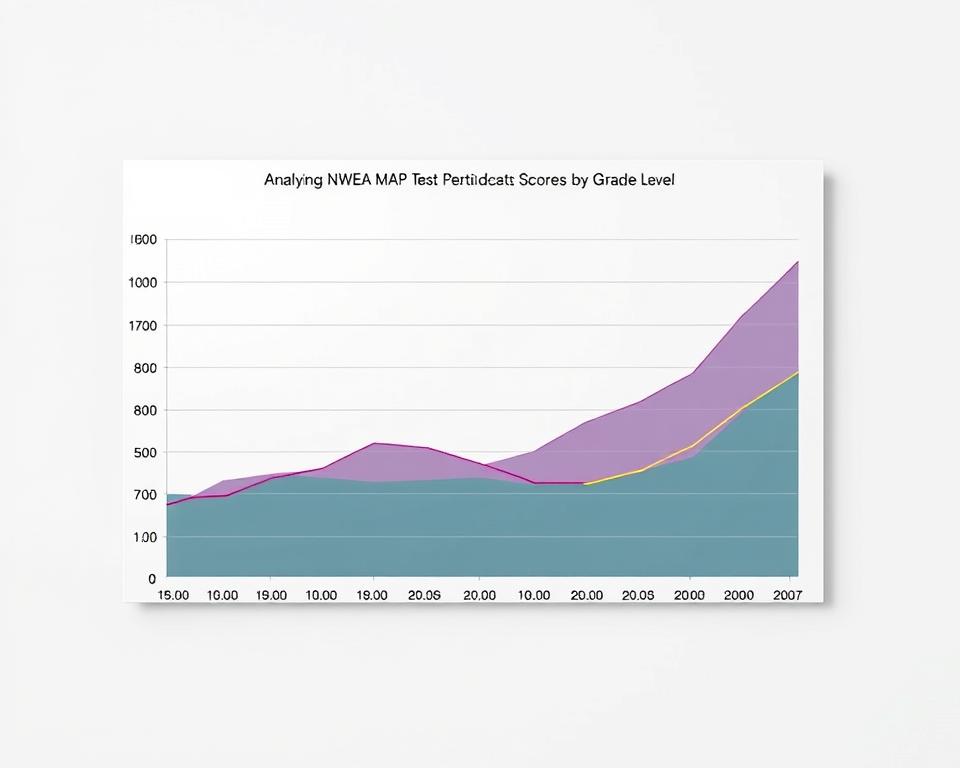
Reading vs. Math Diagnostic reports
Reading reports feature Lexile and fluency indicators. They also indicate how well students comprehend what they read. Math reports give Quantile measures and indicate how hard math problems are for students. Both report types help teachers design lessons and group students for extra help.
How i-Ready combines criterion-referenced and norm-referenced information
Reports mix grade-level benchmarks with national norms. Criterion scores indicate if a student is meeting grade standards. Norm scores contrast a student to others nationwide. This mix helps teachers interpret how students are performing and make better choices for the classroom.
iReady Score Types explained: Scale, Lexile, Quantile
The i-Ready Diagnostic offers three core scores. The scale score range from 100 to 800 and reflect how much a student has progressed. Lexile tell us how well a student can read and help pick the right books. Quantile link math skills to how complex the lessons are.
Understanding the scale score range (100–800) and grade progression
Scale scores go from 100 to 800 and increase as students advance. Each grade has its own score range. Teachers reference these ranges to determine how a student relates to others and tailor lessons.
Scale scores mix how well a student does with how they rank to others. School leaders can find more details on i-Ready Central. They can also export reports for analysis or to distribute with others.
Using Lexile to choose texts
Lexile measures come from MetaMetrics. They align a student’s reading level to the difficulty of texts. A Lexile score in a reading report helps find books that are well-matched for a student.
Teachers can use Lexile scores with domain data to pick texts. This helps develop vocabulary and comprehension while closing skill gaps.
Using Quantile for math and curriculum links
Quantile measures, also from MetaMetrics, indicate a student’s math readiness. Each score links to specific skills and difficulty levels. This helps teachers align lessons to standards and district curriculum.
Using Quantile scores with scale scores and benchmarks provides a well-rounded view of a student’s abilities. It supports decide which lessons or interventions are most appropriate.
| Measure | Range or Partner | Instructional Use |
|---|---|---|
| Scale Score | 100–800 | Monitors growth, guides grade-based placements, benchmarks to iReady benchmarks by grade |
| Lexile | MetaMetrics Lexile range | Chooses reading texts, matches complexity to iReady mastery levels |
| Quantile | MetaMetrics Quantile range | Links math skills to curriculum, sequences lessons by difficulty |
Interpreting Grade-Level Placement Bands
i-Ready applies grade-specific scale score ranges to place students into clear instructional bands. These iready diagnostic scores by grade level placements help teachers, families, and intervention teams understand iReady scores. The categories used are On/Above, 1 Grade Below, and Two or More Grades Below.
How i-Ready assigns placements
Placement is based on cut points aligned with each chronological grade. For example, a Grade 3 Late Grade Level range has a specific scale-score window. These scale-score cut points are central to iReady benchmarks by grade and the i-Ready growth model.
What each placement category means for instruction and interventions
On or Above Grade Level means students are ready for grade-level work. Teachers might offer enrichment or complex texts. One Grade Below signals foundational gaps that need focused lessons and small-group instruction. Two or More Grades Below signals the need for high-intensity intervention, frequent monitoring, and scaffolds for core skills.
Using placements alongside teacher observation and classroom work
Placements are just the beginning. Pair them with classroom samples, formative assessments, and teacher observation for a complete picture. This approach strengthens iReady scores interpretation and aligns progress goals with classroom performance.
| Placement Label | Typical Scale-Score Meaning | Instructional Response |
|---|---|---|
| On or Above Grade Level | Scale score within the grade-specific Late Grade Level range (example: Grade 3 = 566–601) | Extensions, more complex tasks, differentiated challenges |
| One Grade Below | Scale score falls in Mid Grade Level for the tested grade | Focused small-group lessons, explicit skill work, regular progress checks |
| Two or More Grades Below | Scale score in Early On/Below Grade Level categories | High-intensity intervention, individual learning plans, frequent monitoring |
Use iReady benchmarks by grade as a guide but refine plans with teacher judgment. This combined method supports more precise formative targets and stronger instructional decisions. It’s grounded in both data and classroom evidence.
Scores by Grade Level in i-Ready
The i-Ready score chart displays scale-score bands that increase as students move from kindergarten through grade 12. Educators use these bands to compare a student’s placement to peers and to plan instruction. Reviewers should consult official i-Ready materials for exact cut points and seasonal norms when reading results.
Each grade has defined bands such as Below, Early, Middle, Late, and Above grade. Numeric cut points rise with grade level so a Mid score in Grade 1 is numerically far lower than a Mid score in Grade 8.
Use iReady data reports to locate a student in the correct band and to identify which specific skills drove that placement.
Examples across early elementary and middle school
Contrast typical mid-grade-level ranges to see the difference in meaning. For example, a Grade 1 Mid score often sits near the high 400s. A Grade 7 Mid score typically sits in the mid 600s. Both are labeled Mid but represent different expectations and curricular needs.
When sharing examples, include iReady diagnostic scores by i-ready diagnostic scores by grade grade level in teacher discussions and parent meetings to make growth targets visible.
How season impacts interpretation
Diagnostics taken in fall often yield lower scores than those taken in spring. Improvement between fall and spring is normal. Benchmarks and growth goals are adjusted by administration season, so match a student to the same season norms.
School teams should use iReady grade benchmarks and seasonal norms from i-Ready when establishing targets. That keeps expectations realistic and supports accurate progress monitoring using iReady data reports.
Grade-level examples and benchmark ranges from K–12
This section shows concrete benchmark examples across K–12. It links score ranges to classroom priorities. Apply these figures with iReady skill mastery levels and teacher observations for small-group instruction and interventions.
K–2: foundational focus
Early grades focus on phonological awareness and phonics. Example cut points show typical late-grade ranges: Kindergarten Late 424–479, Grade 1 Late 497–536, Grade 2 Late 545–580. These iReady diagnostic scores by grade level help identifying decoding and phonics gaps that need explicit lessons.
Grades 3–6: transition to vocabulary and comprehension
Benchmarks shift from decoding to deeper reading skills. Sample late-grade ranges include Grade 3 Late 566–601, Grade 4 Late 609–636, Grade 5 Late 630–657. Leverage domain breakdowns—phonics, vocabulary, comprehension—to design supports. Lexile ranges and iReady skill mastery levels inform text selection and lesson sequencing.
Grades 7–12: advanced reading demands
Secondary benchmarks require steady Lexile gains and stronger academic language. Representative late-grade ranges are Grade 7 Late 672–700, Grade 8 Late 686–713, Grade 12 Late 728–752. At this stage, comprehension, analysis, and Quantile measures for math inform course placement and skill targets.
| Grade Cluster | Example Late-Grade Range | Primary Domain Priority | Instructional Tip |
|---|---|---|---|
| K–2 | 424–580 | Phonological awareness, Phonics | Screen for decoding gaps; emphasize systematic phonics lessons |
| 3–6 | 566–657 | Vocabulary, Comprehension, Lexile | Use domain reports to match texts and targeted vocabulary work |
| 7–12 | 672–752 | Academic vocabulary, Higher-order comprehension, Quantile (math) | Focus on argumentative and analytical texts; use Quantile for math pathways |
Districts can export full placement tables to contrast local cohorts to national norms. Ongoing review of iReady diagnostic scores by grade level alongside iReady benchmarks by grade supports targeted planning and progression tracking.
Domain-specific performance in iReady Reading
i-Ready Reading disaggregates student performance into clear strands. This helps teachers focus their instruction. Reports highlight strengths and gaps in phonological awareness, phonics, and more. These areas are connected to iReady reading domains and illustrate how skills develop from early grades to middle school.
Phonological awareness and phonics indicators in early grades
In kindergarten and first grade, phonological awareness tests include rhymes and sound isolation. Phonics assesses if students know letter sounds and can sound out. If students struggle, teachers plan daily decoding sessions and monitor progress with iReady diagnostic assessment data.
High-frequency words, vocabulary, and fluency measures
Reports show how well students know high-frequency words and their vocabulary growth. Fluency is tracked by how quickly and accurately they read. Teachers use this to improve sight-word practice and vocabulary instruction, matching it to iReady mastery levels.
Comprehension signals in reports
Comprehension metrics include literal, inferential, and analysis tasks, plus Lexile complexity. Reports break down performance on main idea and sequencing questions. Teachers use this to improve comprehension through text selection and discussion strategies. This reveals if interventions boost higher-order reading skills over time.
Progress monitoring with i-Ready data
Repeated i-Ready Diagnostics give clear snapshots across the year. Fall, winter, and spring administrations reveal trends in scale scores and placement bands. Teachers and leaders use these snapshots for steady iReady progress monitoring that informs instruction and support.
Seeing trends across administrations
When districts run Diagnostics at set points, patterns appear for each student. A series of scale scores shows growth, plateaus, or dips. District exports allow teams review longitudinal charts for cohorts and individuals to enable data-driven conversations about pacing and interventions.
Growth targets aligned to the i-Ready model
i-Ready’s 5 placement levels connect to typical progress ranges in the iReady growth model. Schools can establish targets using a student’s current placement and historical trends. Targets can be modest and achievable, which helps teachers recognize incremental gains and adjust interventions when growth slows.
Weekly and trimester monitoring workflows
Begin by scheduling Diagnostics and assigning domain lessons based on report recommendations. Check weekly dashboards for lesson completion and pass rates. Use trimester reviews to refine small-group instruction, reallocate lessons, or seek additional supports from specialists.
Administrators should download student-level data for deeper analysis. Export dictionaries explain spreadsheet fields so leaders can evaluate cohorts, identify equity gaps, and design professional development that targets common skill needs. This layered approach strengthens iReady student growth tracking and helps keep teams focused on measurable gains.
Actionable steps for teachers after reviewing iReady reports
Start with a clear plan after reviewing iReady data. Prioritize specific gaps and set measurable goals. Use iReady targeted instruction to help students practice efficiently.
Build flexible small groups
Group students by their scores and skill needs. For K–2, group by phonics skills. For grades 3–6, group by vocabulary and comprehension.
For middle and high school, group by Lexile and Quantile skills. This targets reading and math.
Choose lessons and align with standards
Select i-Ready lessons for each skill gap. Ensure they match state standards and your curriculum. Use these lessons in special blocks or during reading and math.
Track who completes lessons and modify based on iReady skill mastery levels. This ensures progress meets grade expectations.
Use exports in PLCs and intervention planning
Download student data for professional learning communities. Use i-Ready Export Dictionary fields to map data. Share exports to inform team decisions.
| Action | Tool or Report | Direct Teacher Step | Classroom Result |
|---|---|---|---|
| Identify domain gaps | i-Ready Diagnostic reports | Filter by domain and prioritize top three skills per grade | Focused small groups and targeted mini-lessons |
| Create groups | Domain-specific scores | Assign students to flexible groups that update each cycle | Improved lesson fit and faster skill gains |
| Select lessons | i-Ready lesson recommendations | Align lessons to standards and add intervention materials | Coherent instruction across platforms |
| Monitor progress | i-Ready online lesson completion & reports | Set checkpoints, track mastery, adjust instruction weekly | Clear evidence of growth or need for reteach |
| Use exports in PLCs | iReady data reports | Share filtered spreadsheets with teachers and coaches | Data-driven intervention plans and shared strategies |
Keep families informed with goals and next steps. Communicate targets and upcoming lessons. Invite parents to support practice at home.
Revisit the cycle each diagnostic window. Review results, reorganize students, and update lessons. Use iReady data reports to measure your interventions’ effect.
Parent guide to using i-Ready reports at home
Parents who get i-Ready reports can follow simple steps to help with reading and math. This guide helps families interpret placements, use specific activities, and decide when to talk to teachers. It makes parents be ready to talk about their child’s progress with schools.
Reading placement and celebrating wins
Reports indicate if a child is at grade level, below, or far below. Acknowledge any growth toward grade level and increases in Lexile or Quantile scores. Even small improvements in these scores are important.
Look for patterns in diagnostics to see steady growth. Use placement labels as signs of action, not as fixed labels.
Domain-aligned home activities
Match activities to the domains highlighted in the report. For K–1, use games that focus on rhyming and syllables. Practice CVC words with magnetic letters and read aloud daily to improve phonics and phonological awareness.
For grades 3–6, focus on fluency and vocabulary. Use flashcards for high-frequency words, short timed readings, and vocabulary journals. Ask comprehension questions and have children summarize what they read.
For grades 7–12, aim at academic vocabulary and deeper comprehension. Talk about themes, infer character motives, and encourage brief written summaries. Use independent reading to increase Lexile scores tied to iReady progress monitoring.
When to contact teachers and request supports
Contact teachers if placements are below or if progress stalls. Share classroom observations and bring i-Ready reports to ask for targeted lessons or plans.
Families might need district login access to view full reports, including Lexile and Quantile measures. Ask teachers for summaries or recommendations if access is restricted. Use iReady progress monitoring data and teacher feedback to ask for small-group instruction or enrichment.
| Family Step | What to Look For | Suggested Action |
|---|---|---|
| Read placements | On/Above, One Grade Below, Two or More Grades Below | Celebrate gains, note areas needing support |
| Match activities | Domain flags: phonics, fluency, vocabulary, comprehension | Use grade-band activities: games for K–1, journals for 3–6, analysis for 7–12 |
| Track growth | Score changes across fall, winter, spring | Keep simple charts and share trends with teachers |
| Request supports | Stagnant scores or below-grade placements | Ask for targeted lessons, small groups, or intervention plans |
| Access full reports | Lexile/Quantile and detailed skill indicators | Request district login help or exported report from teacher |
Limits and misconceptions of i-Ready scores
i-Ready scores provide a quick look at how students are performing. They do not show everything a student can do. It’s critical to see the Diagnostic as just one part of the picture.
Why a single score is not a full measure
A single score can’t reveal a student’s endurance, drive, or how they act in class. It doesn’t show their writing skills, how they speak, or their ability to solve real-world math problems. Teachers should pair the score with student work and classroom observations.
Short-term factors that affect scores
Things like testing time, tiredness, being sick, or feeling stressed can lower scores. New questions or topics on the Diagnostic can surprise students and lower their scores. Scores often increase as the school year progresses.
Combining sources for valid decisions
Good teaching choices result from using iReady data, formative checks, MAP or STAR results, and teacher notes in combination. The detailed reports can help spot gaps in daily work. District leaders should use their professional judgment when looking at exports and dashboards to avoid relying too much on one number.
| Common Misinterpretation | Reality | Practical Action |
|---|---|---|
| One score tells a full story | Score is a snapshot influenced by many factors | Combine with classroom samples and progress checks |
| Low score means low talent | Temporary conditions often affect performance | Reschedule or retest when conditions improve |
| Reports replace teacher judgment | Reports support, not replace, professional insight | Use domain data to guide targeted lessons |
| District dashboards are definitive | Exports need context and careful interpretation | Use team review and multiple measures to plan interventions |
Recognizing the limits of iReady scores helps staff set realistic goals and prevent mistakes in placement or intervention. Informed understanding of iReady scores, along with detailed classroom evidence, gives the best view of what students require.
Using i-Ready analytics at the school and district level
District leaders leverage iReady exports and dashboards to guide decisions. These tools enable teams analyze student data. They can identify where students need help and compare different groups.
Exports and dashboards for leadership
Administrators download data files to sync with local systems. The i-Ready Export Dictionary helps understand each field. This simplifies the process to monitor student progress and prepare for the future.
Finding at-risk cohorts with iMDI/iRDI
Leaders find students at risk with Diagnostic outputs and iMDI/iRDI flags. They cluster similar students for focused support. This way, they make sure resources are used effectively.
PD aligned to data-identified gaps
Aggregated data reveals where students need help. Districts plan professional learning based on this. This includes phonics coaching and comprehension strategy workshops.
School leaders define goals based on student growth. They review progress on a regular basis. This supports improve teaching and focus on what works.
Data teams create simple charts to show progress. These charts help leaders plan and improve schools. Using iReady data helps better decision-making and plans.
Conclusion
i-Ready Diagnostic scores by grade level offer actionable information. Teachers and administrators can use this to inform instruction. The reports include scale scores (100–800) and domain breakdowns.
These breakdowns include Phonological Awareness, Phonics, High-Frequency Words, Vocabulary, and Comprehension. They also provide Lexile and Quantile links. This makes it easier to match texts and skills to student needs.
Regular iReady progress monitoring tracks student growth. It displays progress across fall, winter, and spring. This ties results to i-Ready’s growth model.
Use multiple data points to get a full view of student learning. This includes diagnostic placements, classroom work, and teacher observations. Districts can export dashboards and use iMDI and iRDI flags to identify students needing extra support.
To use results, set specific growth targets. Select targeted lessons from i-Ready Central. Provide home activities that reinforce domain skills.
Combining i-Ready reports with other assessments and family engagement supports continuous improvement. It helps translate iReady benchmarks by grade into measurable student growth.